Activated Carbon for VOC Removal

Activated Carbon for VOC Removal in UAE Air Purification

What is VOC Removal?

VOC removal is essential for maintaining safe, healthy, and compliant industrial environments. Volatile organic compounds (VOCs) are harmful gases released from paints, solvents, fuels, adhesives, and various chemical processes. These emissions not only degrade air quality but also pose serious health risks, including respiratory issues and long term environmental damage.

With increasing industrialization, controlling industrial VOC emissions has become a global priority. Industries are now required to adopt advanced air pollution control strategies to reduce toxic releases into the atmosphere. In rapidly developing regions, the demand for effective VOC gas treatment in UAE continues to grow as companies focus on sustainability and regulatory compliance.

What is Activated Carbon?

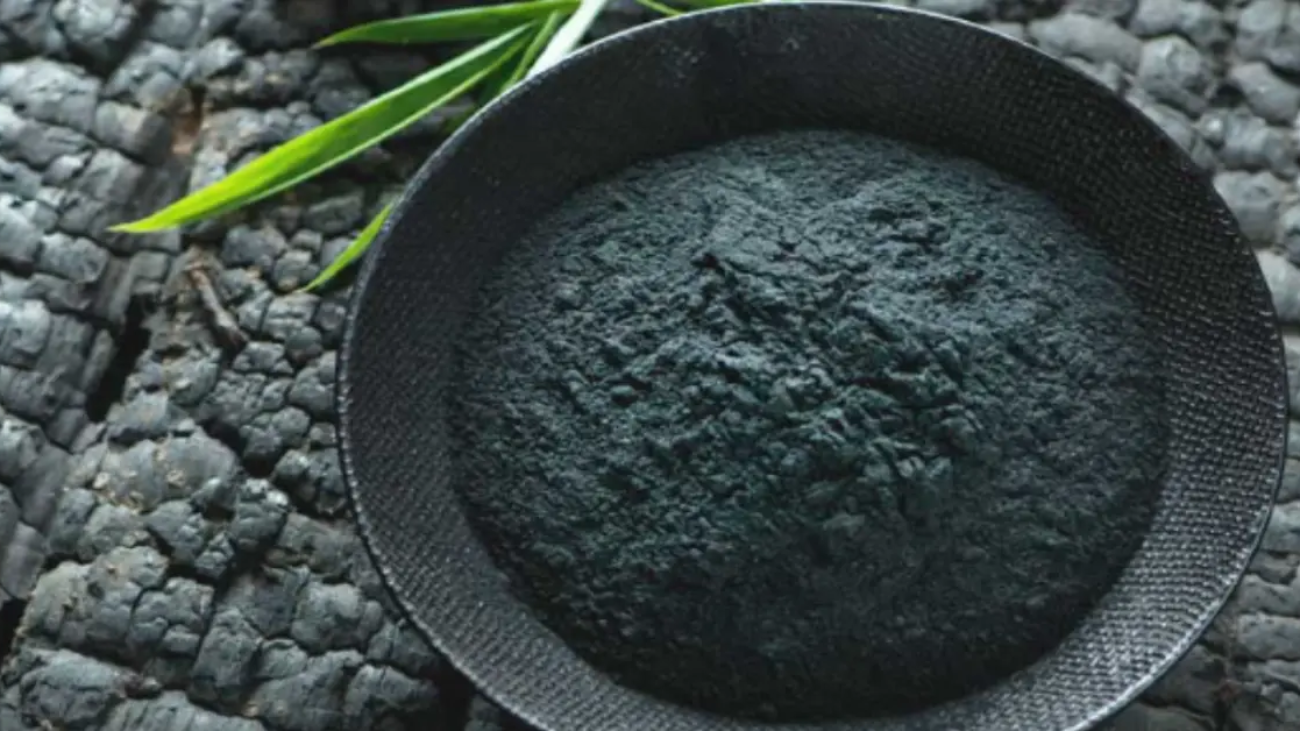
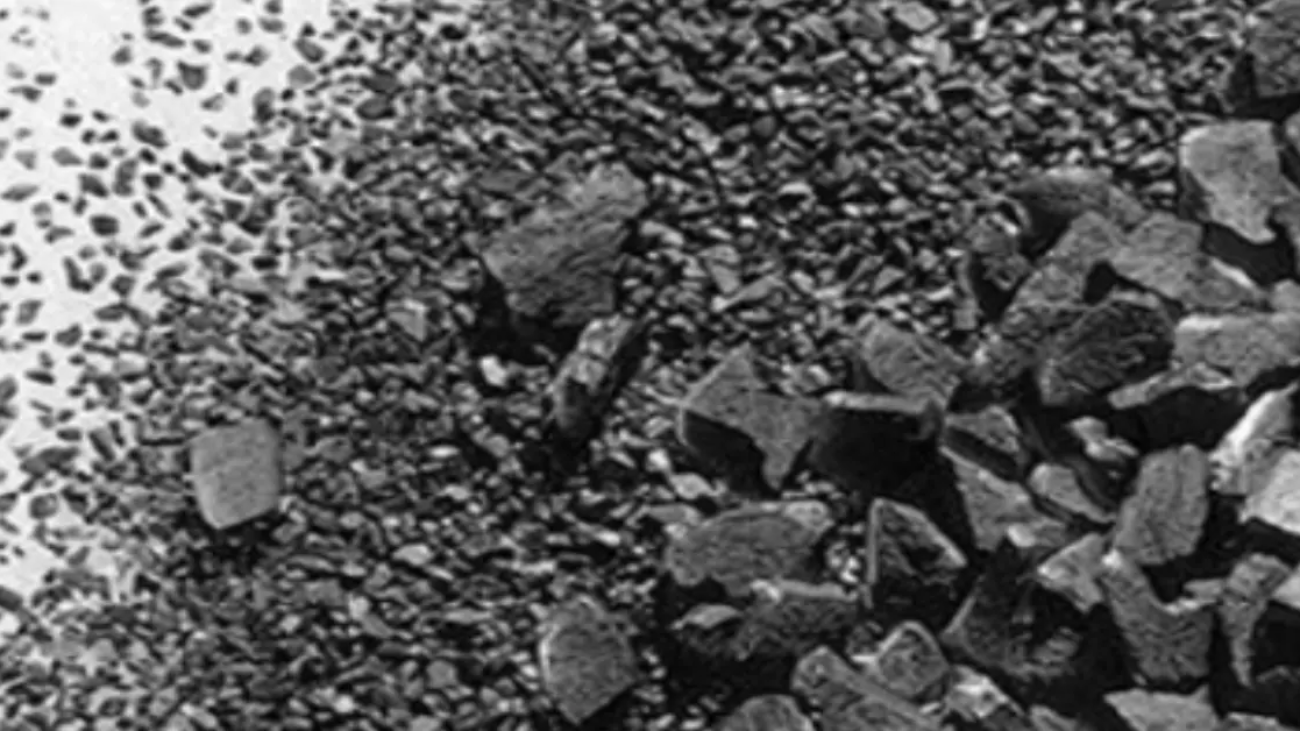
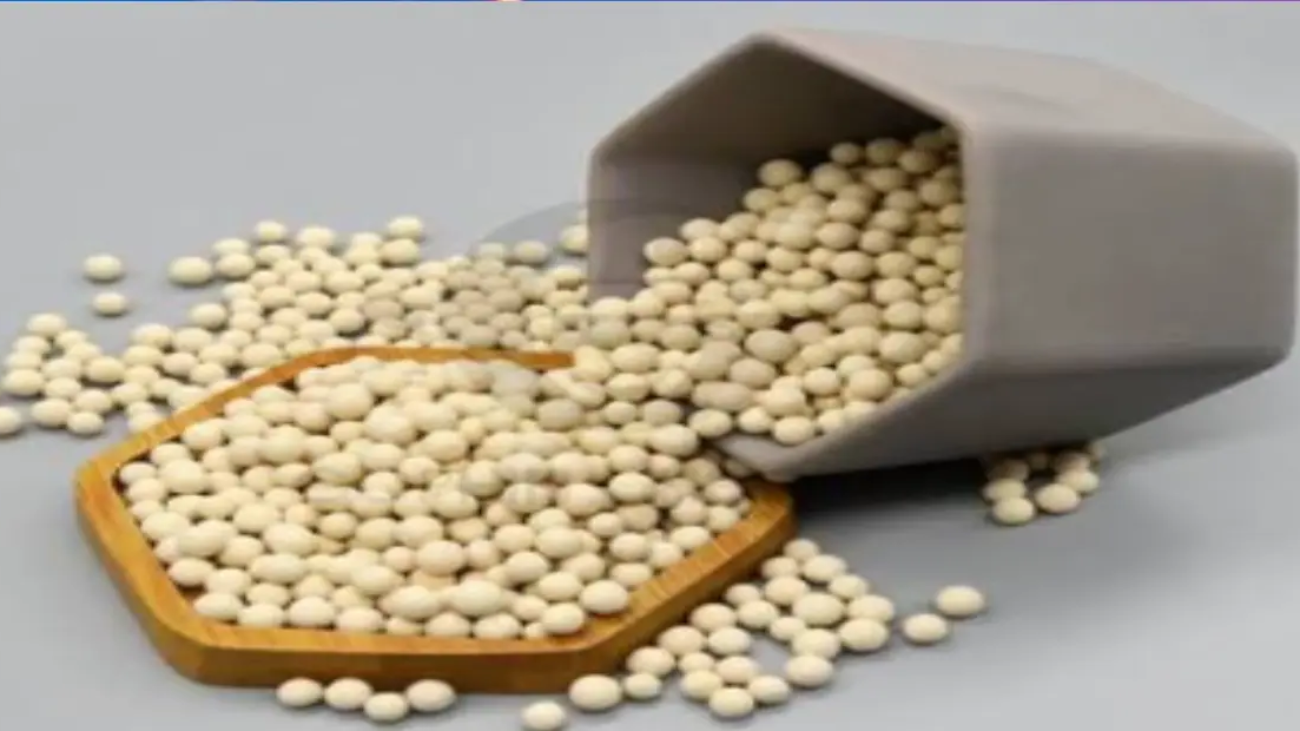
Activated carbon for VOC removal is one of the most widely used and efficient technologies in air purification systems. It is a specially processed carbon material with a highly porous activated carbon structure that provides an extremely large surface area for trapping pollutants.

The effectiveness of activated carbon depends on its internal properties, such as pore size distribution, microporous structure carbon, and chemical adsorption properties. These characteristics allow it to capture and hold a wide range of harmful gases and vapors.

Another important factor is its adsorption capacity, which determines how much contamination it can remove before needing replacement. Because of these features, activated carbon is widely used in gas purification and industrial air treatment applications.

Why Activated Carbon is Used for VOC Removal?

Activated carbon is preferred for VOC treatment due to its excellent VOC adsorption performance. Through the process of activated carbon adsorption, harmful gases are trapped within the pores of the carbon during gas phase filtration.

Key advantages include:

  • High adsorption efficiency for removing airborne contaminants
  • Reliable performance in organic compound removal
  • Ability to handle continuous industrial air purification processes
  • Supports effective VOC concentration control
  • Contributes to long term air emission reduction

Activated carbon is highly effective in removing hazardous compounds such as benzene removal, toluene removal, xylene removal, ethyl acetate removal, and acetone removal. This makes it an ideal solution for industries dealing with complex chemical emissions.

Types of Activated Carbon Used in VOC Removal

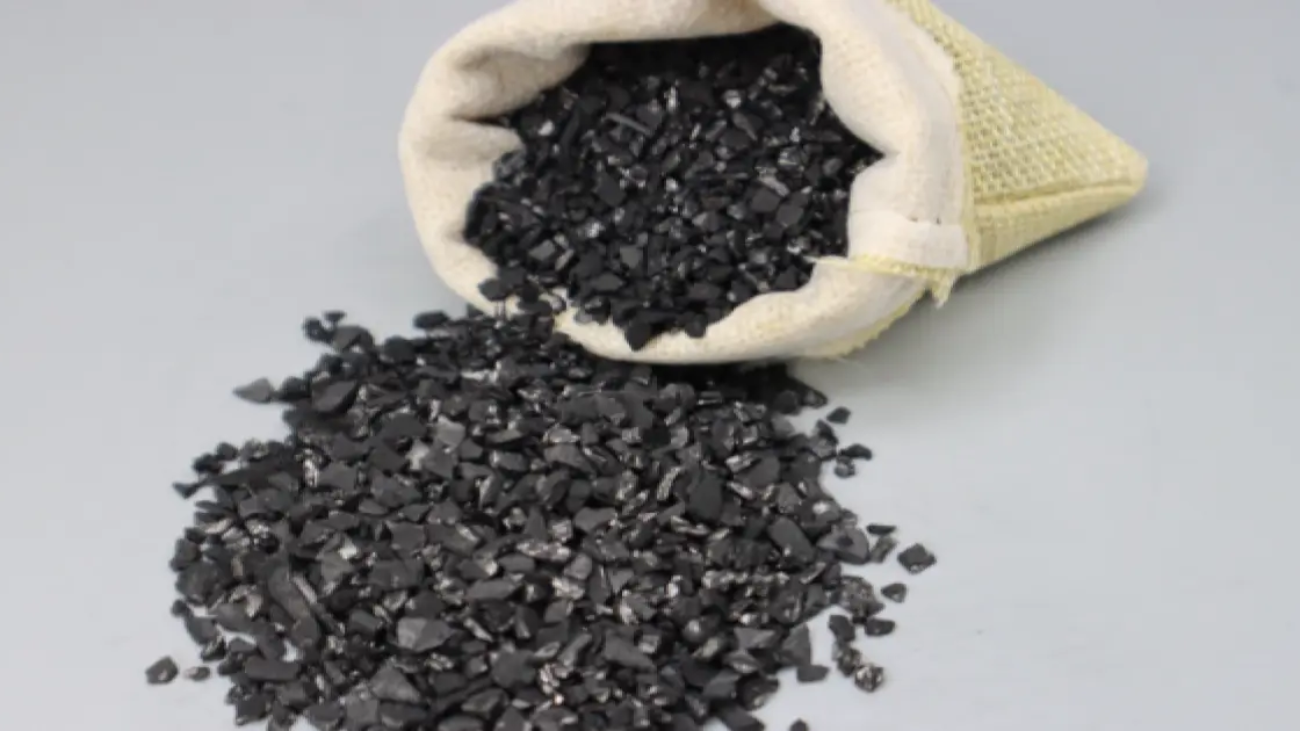
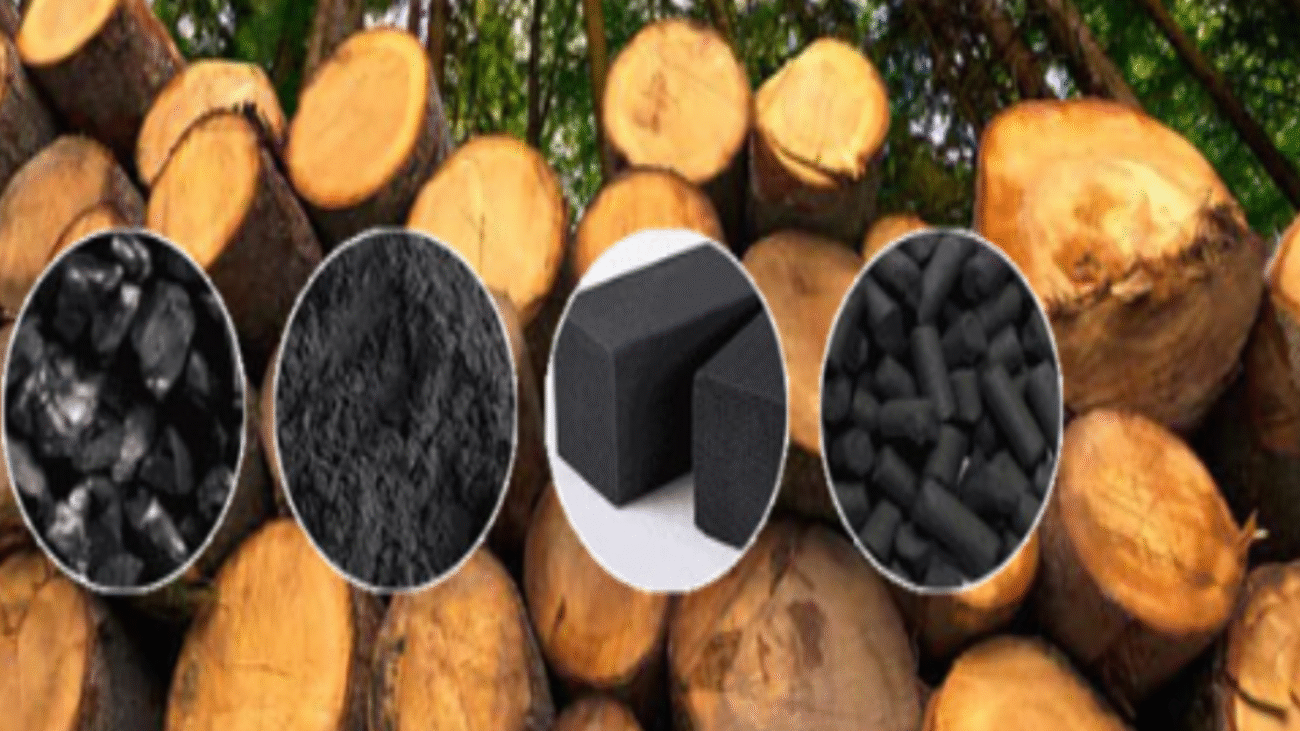
Different forms of activated carbon are used depending on the application and system design. The most common types include:

Both types are engineered to maximize adsorption efficiency and provide effective performance in various VOC treatment solutions. The choice depends on airflow rate, pollutant type, and system configuration.

VOC Treatment Technologies 

While activated carbon plays a central role, it is often combined with other advanced VOC abatement technologies to enhance efficiency.

Common systems include:

  • Adsorption systems for VOC using carbon filters
  • Ozone oxidation VOC removal for breaking down complex pollutants
  • UV VOC treatment for additional purification
  • Advanced oxidation process (AOP) for chemical degradation
  • Wet scrubbing VOC removal for removing soluble gases
  • Multi stage VOC treatment systems for comprehensive purification

These technologies are integrated into modern emission control systems and air filtration systems to provide complete environmental air treatment solutions for industries.

Applications of Activated Carbon in VOC Removal

Activated carbon is used across a wide range of industries for industrial exhaust air treatment and effective air purification.

Key applications include:

  • Chemical and petrochemical plants for solvent vapor treatment
  • Manufacturing industries for industrial exhaust gas treatment
  • Paint and coating industries for organic gas removal
  • Pharmaceutical facilities for odor and contaminant removal
  • Oil and gas sector for advanced VOC gas treatment

These applications demonstrate how activated carbon supports efficient air filtration and purification while maintaining safety and environmental standards.

See other Application of Activated Carbon

Importance of VOC Removal in UAE Industries

The UAE is experiencing rapid industrial growth, increasing the need for advanced air treatment solutions in the UAE. Industries are adopting modern technologies to meet strict environmental regulations and reduce harmful emissions.

Implementing effective VOC control systems helps companies:

  • Improve workplace air quality
  • Meet environmental compliance standards
  • Enhance operational efficiency
  • Strengthen brand reputation

With rising awareness of environmental sustainability, industrial air purification has become a critical investment for long term success in the region.

Choosing the Right Activated Carbon Solution

Selecting the right activated carbon Supplier in UAE  is essential for achieving optimal performance. Factors to consider include:

  • Type and concentration of VOCs
  • Required adsorption capacity
  • Airflow and system design
  • Environmental conditions
  • Maintenance and replacement cycles

High quality activated carbon ensures better performance, longer lifespan, and improved efficiency in VOC treatment solutions.

Conclusion

Activated carbon remains one of the most effective and reliable technologies for VOC removal. Its ability to capture harmful gases, combined with flexibility in application, makes it a preferred choice for industries worldwide. When integrated with advanced treatment systems, it provides a powerful solution for cleaner air and sustainable operations.

Order High Quality Activated Carbon

Looking for premium activated carbon solutions for VOC removal? OozeChem offers high performance products designed to deliver superior adsorption and long lasting efficiency. Our solutions are tailored to meet the needs of modern industries, ensuring reliable and cost effective air purification.

Contact OozeChem today to order activated carbon online and upgrade your air treatment systems with trusted quality and performance!

Top Chemical Manufacturer in Sharjah

Top Chemical Manufacturer in Sharjah

Sharjah has become a central pillar of the UAE’s industrial ecosystem, supported by modern infrastructure, well planned industrial zones, and strong regulatory oversight. The emirate hosts a growing chemical sector that supports construction, utilities, food processing, pharmaceuticals, and water treatment. Businesses searching for a top chemical manufacturer in Sharjah are increasingly focused on long term quality, safety compliance, and dependable supply rather than short term cost advantages.

Why Is Sharjah a Preferred Hub for Chemical Manufacturing?

A reliable chemical manufacturer in Sharjah benefits from excellent port connectivity, access to regional markets, and an established industrial workforce. These advantages allow manufacturers to serve both domestic and export demand efficiently. Operating as a chemical manufacturing company in Sharjah, producers are positioned to meet the evolving requirements of industries across the UAE and wider Gulf region.

What Makes the Best Chemical Manufacturer in Sharjah?

The best chemical manufacturer in Sharjah is defined by consistent quality, certified processes, and application focused product development. A strong Sharjah chemical manufacturer invests in controlled production environments, testing laboratories, and skilled technical teams to ensure product reliability across industries.

Learn more about best chemical Supplier in UAE and  GCC

Industrial Chemical Manufacturing Capabilities

As an industrial chemical manufacturer in Sharjah, companies supply essential materials for manufacturing, infrastructure, and utilities. Operating as a chemical production company in Sharjah UAE, these manufacturers follow strict operational protocols to ensure safety and environmental compliance. Their facilities are designed to support scalable output while maintaining batch-to-batch consistency.

Serving Industrial Needs Across the UAE

Many producers operate beyond Sharjah as an industrial chemicals manufacturer in UAE, supplying clients nationwide. A dependable raw material chemical manufacturer in Sharjah supports downstream industries by providing consistent base materials essential for further processing.

Specialized solutions are also critical. An oil and gas chemicals manufacturer in Sharjah supports energy operations, while a construction chemicals manufacturer in Sharjah supplies performance enhancing materials for infrastructure projects. Regulated industries rely on a pharmaceutical chemical manufacturer in UAE for high-purity inputs, and hygiene-sensitive sectors depend on a food grade chemical manufacturer in Sharjah to maintain product safety.

Serving the Broader UAE Industrial Landscape

Beyond Sharjah, manufacturers often operate as an industrial chemicals manufacturer in UAE, supplying clients across Abu Dhabi, Dubai, and other emirates. This nationwide reach ensures consistent availability of chemical products for diverse industries.

Raw Materials and Industrial Inputs

A trusted raw material chemical manufacturer in Sharjah provides foundational substances used in multiple production cycles. These materials play a critical role in downstream manufacturing, making quality consistency essential for industrial reliability.

Specialized Chemical Solutions for Key Industries

The energy sector relies heavily on an oil and gas chemicals manufacturer in Sharjah for corrosion inhibitors, drilling additives, and processing chemicals. Similarly, environmental sustainability initiatives depend on a water treatment chemicals manufacturer in Sharjah to support municipal and industrial water systems.

The construction sector also benefits from a construction chemicals manufacturer in Sharjah, supplying additives and compounds that enhance durability and performance. In regulated sectors, a food grade chemical manufacturer in Sharjah ensures compliance with safety and hygiene standards. Pharmaceutical operations across the region rely on a pharmaceutical chemical manufacturer in UAE for high-purity materials critical to drug formulation.

Chemical Manufacturing Infrastructure 

Operating as a chemical manufacturer in Sharjah industrial area allows companies to maintain compliance while benefiting from efficient logistics. The strong network of chemical suppliers and manufacturers in Sharjah ensures stable distribution across industries. Many producers function as a Sharjah UAE chemical manufacturing company with international reach, acting as a chemical exporter from Sharjah to regional and global markets.

Certified and Quality Driven Manufacturing

Clients prioritize a reliable chemical manufacturer in Sharjah that demonstrates transparency and consistency. A certified chemical manufacturer in UAE adheres to recognized global frameworks, while a wholesale chemical manufacturer in Sharjah supports distributors and large scale buyers. Operating as an ISO certified chemical manufacturer in Sharjah reflects strong quality management systems and continuous improvement.

Water Treatment Chemical Solutions by Oozechem

Water quality management is a critical requirement for municipalities and industries alike. Oozechem supplies high performance solutions as a trusted water treatment chemicals manufacturer in Sharjah, focusing on efficiency, durability, and regulatory compliance.

Activated Carbon for Water Purification

Oozechem’s activated carbon solutions are widely used to remove chlorine, organic impurities, odors, and harmful contaminants from water systems. These products are suitable for municipal drinking water treatment, industrial process water, and wastewater applications. High adsorption capacity ensures improved water clarity and safety.

👉 Explore activated carbon solutions for water treatment 

Activated Alumina for Advanced Filtration

Activated alumina supplied by Oozechem is used to remove fluoride, arsenic, and heavy metals from groundwater and industrial water streams. Its strong adsorption efficiency and reusability make it a cost effective option for long term water treatment operations.

👉 Request technical specifications for activated alumina from Oozechem

Food Grade Chemical Solutions by Oozechem

Food safety depends heavily on moisture control and purification during processing and storage. Oozechem delivers food grade solutions designed to maintain quality and compliance.

Food Grade Silica Gel for Moisture Protection

Oozechem’s food grade silica gel helps prevent spoilage, clumping, and degradation of packaged food products. It is widely used in dry food packaging and export shipments to control humidity and extend shelf life.

Learn more about food-grade silica gel 

Food-Grade Activated Carbon for Processing

Food grade activated carbon from Oozechem is used in edible oil refining, sugar processing, and beverage purification. It removes unwanted color, odor, and impurities, resulting in cleaner and higher quality end products.

Contact Oozechem for food-grade activated carbon supply and support

Why Businesses Choose Oozechem as a Trusted Chemical Partner?

For companies seeking a dependable supplier in the region, Oozechem stands out for its commitment to quality, compliance, and customer support. With a strong portfolio of industrial, specialty, and application-specific chemicals, Oozechem supports diverse industries across Sharjah and the wider UAE.

Conclusion: 

Sharjah continues to strengthen its position as a regional chemical manufacturing hub through quality focused production, regulatory compliance, and advanced infrastructure. Businesses that partner with experienced manufacturers gain consistent supply, application-specific solutions, and long term operational reliability.

Oozechem stands out as a trusted supplier of water treatment and food-grade chemical solutions, supporting industries across Sharjah and the UAE with dependable quality and expert support.

Best Silica Gel Supplier in Doha

Best Silica Gel Supplier in Doha

Doha is growing fast as a business and industrial center in Qatar. With this growth comes a rising need for moisture protection across many industries. From pharmaceuticals and food products to shipping, manufacturing, and oil & gas, companies rely on silica gel to protect their goods from humidity damage. That’s why finding the best silica gel supplier in Doha has become essential for businesses that want consistent quality and reliable supply. Silica gel may look simple, but choosing the right supplier makes a big difference in performance, safety, and cost control.

Why Is Silica Gel Important in Qatar?

Qatar’s climate is hot and humid for most of the year. Moisture can easily damage products during storage and transportation. A professional silica gel supplier in Doha, Qatar helps businesses prevent issues like corrosion, mold, clumping, and reduced shelf life. Silica gel absorbs moisture efficiently and is widely used in packaging, containers, laboratories, warehouses, and industrial facilities.

Wholesale and Bulk Supply for Businesses

Many companies prefer working with a wholesale silica gel supplier in Doha because it ensures steady availability and better pricing. For factories, exporters, and logistics companies, sourcing from a bulk silica gel supplier in Doha helps reduce costs and avoid supply shortages. A dependable industrial silica gel supplier in Doha understands large scale requirements and provides products suitable for demanding industrial environments.

Distribution and Trading Support in Doha

Businesses also look for suppliers that offer smooth distribution and technical support. A reliable silica gel distributor in Doha ensures timely delivery and proper packaging. Many buyers also prefer sourcing from wholesale silica gel in Qatar to support local supply chains and faster fulfillment.

Working with a trusted chemical trading company in Doha allows businesses to access silica gel along with other industrial materials from a single source. This is especially helpful for companies that rely on a chemical raw material supplier Qatar for regular production needs.

Buying Silica Gel in Bulk

Industries that need long term moisture control usually buy silica gel in bulk in Doha to keep operations running smoothly. Clear pricing matters here, and suppliers offering competitive wholesale silica gel price in Qatar help businesses plan budgets more effectively.

A reliable silica gel supplier in Doha focuses on quality consistency, proper storage, and compliance with safety standards. This is why many companies prefer a trusted desiccant supplier Qatar for long term partnerships.

Pharmaceutical and Food Uses

Certain industries need higher purity and strict quality control. A pharmaceutical grade silica gel supplier Doha provides products suitable for medicine packaging and sensitive healthcare items. Similarly, a food grade desiccant supplier Doha ensures moisture control without affecting food safety. Research centers and testing facilities depend on a dependable laboratory silica gel supplier Doha to maintain dry conditions for samples, equipment, and experiments.

Learn more about: Silica Gel in Food Industry

Silica Gel in Pharmaceutical Industry

Industrial and Oil and Gas Applications

Silica gel is also widely used in heavy industries. A specialized oil and gas silica gel supplier in Qatar supports dehydration and equipment protection in energy operations. Utilities and treatment plants work with a water treatment silica gel supplier in Qatar for filtration and purification processes.

Manufacturers often rely on a manufacturing desiccant supplier Doha that can support continuous production. Many of these needs are fulfilled through an experienced industrial raw materials supplier in Doha that understands industrial scale demand.

Desiccants and Moisture Control Solutions

A trusted silica gel manufacturer and supplier focuses on consistent quality, high adsorption capacity, and safe packaging. Some industries also require alternatives, making access to an activated alumina supplier in  Qatar important.

Sourcing from a desiccant manufacturer in the Middle East offers faster delivery and better regional support. Many businesses prefer silica gel desiccant wholesale options for cost efficiency and steady supply.

Packaging and Logistics Protection

Moisture damage during transport is a major concern for exporters. Industrial desiccants for packaging protect goods from humidity during storage and transit. A dependable container desiccant supplier in Doha is essential for shipping by sea or long distance transport.

Companies also rely on a humidity control products supplier and an industrial moisture absorber supplier to prevent condensation in containers and warehouses. Support from an adsorption chemicals supplier further improves moisture management. Silica gel remains a key solution for silica gel for shipping and logistics, especially for international trade.

Serving Qatar and the GCC Region

Many suppliers in Doha also support regional trade. A trusted chemical exporter for GCC countries ensures smooth cross border supply. Businesses value working with a reliable B2B desiccant supplier that understands regional regulations and logistics.

Choosing an established Doha chemical supply company ensures local availability and responsive service. Buyers often search for a chemical supplier near Doha to reduce lead times and improve coordination.

The growing Qatar chemical wholesale market reflects the increasing demand for industrial and moisture control products across the country.

Choosing the Right Supplier

Understanding how to choose a reliable silica gel supplier in Doha means looking beyond price. Quality standards, supply capacity, technical support, and regional experience all matter. The right supplier becomes a long term partner rather than just a vendor.

Final Thoughts

Silica gel plays a vital role in protecting products across many industries in Doha. From pharmaceuticals and food to logistics and manufacturing, the right supplier helps businesses reduce losses, improve quality, and operate with confidence.

By working with an experienced and trusted silica gel supplier, companies in Qatar can ensure effective moisture control solutions that support long term growth and success.

chemical supplier in UAE

Why OOZECHEM is best Chemical Supplier in UAE and GCC?

The UAE has become a major hub for manufacturing, infrastructure, water treatment, and industrial development. These sectors rely heavily on high quality chemical suppliers that can deliver consistent products, technical reliability, and uninterrupted supply.

OOzechem has positioned itself as the best chemical supplier in UAE by offering dependable chemical solutions supported by industry knowledge, quality assurance, and a strong regional distribution network serving the UAE, Qatar, Oman, Saudi Arabia (KSA), and Kuwait.

This article explains what makes OOzechem the best, focusing on its core chemical offerings and the real world value they provide to industries.

What Makes a Chemical Supplier “The Best” in the UAE?

A leading chemical supplier must provide more than just products. The most trusted chemical companies in the UAE are defined by:

  • Proven chemical performance and consistency
  • Understanding of industrial applications
  • Compliance with regional and international standards
  • Reliable logistics across the GCC
  • Ability to support multiple industries

OOzechem meets all these criteria, which is why it is trusted across the Middle East.

Core Chemical Solutions Offered by OOzechem

Desiccant Silica Gel

Moisture control is essential in industries such as pharmaceuticals, electronics, logistics, and packaging. OOzechem supplies high quality Desiccant Silica Gel designed to effectively absorb moisture and protect products from humidity related damage.

Silica gel from OOzechem is known for:

  • High adsorption capacity
  • Stable performance in varied climates
  • Long service life

This makes it ideal for UAE’s high humidity environments and long distance shipping needs.

Caustic Soda Flakes

Caustic Soda Flakes in KSA are a fundamental industrial chemical used in manufacturing, textiles, soap production, water treatment, and chemical processing.

OOzechem supplies caustic soda flakes that offer:

  • Consistent alkalinity
  • High purity for industrial reactions
  • Reliable solubility and performance

This reliability is critical for industries that depend on precise chemical reactions and controlled processes.

Molecular Sieve

In gas drying, air separation, and purification systems, performance depends heavily on adsorption efficiency. Molecular Sieves supplied by OOzechem are engineered for precise separation of molecules based on size.

These products are widely used in:

  • Oil & gas processing
  • Industrial gas production
  • Refrigeration and drying systems

OOzechem’s molecular sieves support operational efficiency and equipment longevity.

Calcium Hypochlorite

Water sanitation and disinfection are critical in the UAE’s municipal and industrial sectors. Calcium Hypochlorite in UAE supplied by OOzechem is a powerful disinfectant used in water treatment, swimming pools, and sanitation systems.

Key benefits include:

  • Strong chlorine content
  • Effective microbial control
  • Stable shelf life

This makes it a dependable solution for both public and private water treatment operations.

Carbon Molecular Sieve

For industries using nitrogen generators, Carbon Molecular Sieve is an essential material. OOzechem supplies carbon molecular sieves that enable efficient nitrogen separation from air.

These products are commonly used in:

  • Industrial nitrogen generation
  • Food packaging
  • Electronics and metal processing

Their durability and performance consistency make them suitable for continuous industrial use.

Activated Carbon

Purification and filtration processes rely on adsorption efficiency. Activated Carbon supplied by OOzechem is used extensively for removing impurities, odors, and contaminants from air and water.

Activated carbon plays a vital role in:

  • Water treatment plants
  • Air purification systems
  • Industrial effluent treatment

OOzechem’s activated carbon solutions support environmental compliance and clean processing.

Sodium Benzoate

Sodium Benzoate is widely used as a preservative in food, beverage, and pharmaceutical industries.

OOzechem supplies sodium benzoate that offers:

  • Consistent chemical stability
  • Compliance with industrial usage requirements
  • Reliable performance in formulations

This makes it a trusted ingredient for manufacturers across the GCC.

Activated Alumina

Drying and purification processes often require advanced adsorption materials. Activated Alumina supplied by OOzechem is used for moisture removal, fluoride removal, and air drying.

It is commonly applied in:

  • Water treatment systems
  • Compressed air drying
  • Industrial purification units

Its high surface area and mechanical strength ensure long-term efficiency.

Regional Supply Across UAE & GCC

OOzechem’s strong logistics network allows it to serve customers across:

  • United Arab Emirates
  • Qatar
  • Oman
  • Saudi Arabia (KSA)
  • Kuwait

This regional presence ensures fast delivery, consistent availability, and dependable support for cross border industrial projects.

Why Industries Trust OOzechem?

Industries choose OOzechem because it offers:

  • Technical understanding of chemical applications
  • Stable product quality across batches
  • Long term supply reliability
  • Multi-industry chemical expertise

Rather than acting as a simple trader, OOzechem operates as a chemical solutions partner.

Conclusion

OOzechem’s position as the best chemical supplier in UAE is built on quality assurance, industrial knowledge, reliable logistics, and customer trust. Its ability to support industries across the UAE, Qatar, Oman, KSA, and Kuwait makes it one of the most dependable chemical suppliers in the GCC.

For businesses seeking consistent performance and professional chemical supply, OOzechem stands out as a trusted industry leader in the Middle East.

Also Check :

Best Adsorbents in UAE

Best Adsorbents in Gulf Countries

Industrial operations in the Gulf region face a unique challenge: extreme heat, high humidity, and continuous exposure to moisture laden air. These harsh environmental conditions make the selection of the right adsorbent critical for industries such as oil & gas, petrochemicals, water treatment, pharmaceuticals, food processing, and packaging.

In this guide, we explore the best adsorbents for Gulf climate, how they work, the difference between absorbent and adsorbent, and why certain materials like activated carbon, silica gel, and molecular sieves outperform others in hot and humid regions like the UAE, Saudi Arabia, Kuwait, Qatar, Oman, and Bahrain.

What Is an Adsorbent?

An adsorbent is a solid material that attracts and holds molecules, gases, or moisture on its surface. Adsorbents are widely used in gas purification, moisture control, solvent recovery, industrial drying, and environmental applications.

Many people confuse absorbent and adsorbent, but the difference is simple:

  • Absorbent: absorbs substances into its internal structure (like a sponge).
  • Adsorbent: attracts substances onto its surface.

Industrial processes in the Gulf rely heavily on adsorbents because they efficiently remove moisture, impurities, and contaminants, even in extreme climatic conditions.

Top Types of Adsorbent in UAE & Gulf Industries

Below are the four most effective adsorbents for Gulf conditions and how they perform.

1. Molecular Sieve Adsorbent

A molecular sieve adsorbent is a crystalline aluminosilicate with uniform micropores that trap moisture and gases selectively. Grades like 3A, 4A, 5A, and 13X are widely used in the region.

Why They Work Best in Gulf Climate

  • High adsorption capacity even at extreme temperatures
  • Highly stable structure
  • Can reduce moisture to PPM levels
  • Suitable for PSA oxygen & nitrogen generation

Industries Using Molecular Sieves in GCC

  • Petrochemicals
  • Gas drying (natural gas & LPG)
  • Oxygen & nitrogen generators
  • Ethanol dehydration
  • Refrigerants
  • Air separation units

2. Silica Gel Adsorbent

A silica gel adsorbent is ideal for moisture control in storage and logistics especially across humid Gulf ports such as Jebel Ali, Bahrain, Muscat, and Dammam.

Advantages in Gulf Climate

  • Excellent moisture control for consumer & industrial goods
  • Works effectively in 70–90% humidity
  • Non-toxic and cost effective

Best Uses

  • Container desiccants
  • Electronics packaging
  • Pharmaceuticals
  • Food grade moisture control

Explore more about Desiccants!

3. Activated Carbon Adsorber System 

Activated carbon adsorbers are essential for the removal of VOCs, odors, gases, and organic compounds. They “adsorb by activated charcoal”, making them perfect for high pollution zones.

Why Activated Carbon Works in GCC

  • Massive surface area for adsorption
  • Removes industrial fumes in petrochemical zones
  • Effective in high heat
  • Works with humid Gulf air

Common Applications

  • Air purification
  • Water treatment plants
  • Oil & gas refining

Industrial chimneys & scrubbers

 Carbon Molecular Sieve (CMS)

CMS is essential for PSA nitrogen generators, especially in Gulf industries where reliable nitrogen supply is critical.

Why CMS Works in Gulf Climate

  • Stable at high temperatures
  • Precise gas separation
  • High N2 purity

Explore More About PSA nitrogen systems

How to Choose the Best Adsorbent for Gulf Conditions?

Temperature Tolerance

The Gulf’s extreme heat demands an adsorbent that performs well above 45°C. Molecular sieves maintain strong adsorption capacity in UAE & Saudi environments, making them ideal for high temperature industrial processes.

Humidity Handling

Coastal areas like Dubai, Abu Dhabi, Sharjah, Dammam, and Doha face very high humidity. In these conditions, silica gel & activated carbon work best because they continue adsorbing moisture and VOCs even when the air is saturated.

Purity Requirements

Industries needing PPM-level drying such as gas production, pharma, and food processing should choose molecular sieves, which provide the highest purity and most precise moisture removal.

Regeneration Capability

For continuous Gulf operations, select adsorbents that can be regenerated using heat, vacuum, or pressure swing (PSA systems). This reduces downtime and improves long term efficiency.

Availability & Supplier Reliability

Since the Gulf heavily relies on imports, always source adsorbents from a trusted supplier in UAE to ensure consistent stock, fast delivery, and reliable support.

Applications of Adsorbents in UAE 

IndustryApplications
Oil & GasGas drying, VOC removal, Refinery purification
Desalination PlantsMoisture control, Odor removal
Pharmaceutical & Food IndustriesPackaging moisture control,  Purity protection
Manufacturing PlantsCompressed air drying, PSA oxygen/nitrogen generation
Shipping & LogisticsContainer desiccants, Warehouse moisture protection

Which Adsorbent Is the Best for Gulf Climate?

ApplicationBest Adsorbent
Moisture drying to PPMMolecular Sieve
Warehouse & packagingSilica Gel
VOC & gas removalActivated Carbon
PSA nitrogen systemsCarbon Molecular Sieve
Air purificationActivated Carbon
Chemical refining13X Molecular Sieve

Each material has its strengths, but combined systems (silica gel + activated carbon or molecular sieve + CMS) offer maximum protection.

Best Adsorbent Suppliers in UAE and Gulf

OozeChem stands out as one of the best adsorbent suppliers in UAE and Gulf, offering:

OozeChem’s products are engineered for extreme Gulf temperatures, ensuring high adsorption capacity, durability, and performance.

Conclusion

The Gulf region’s extreme heat and humidity make the choice of the right adsorbent crucial for industrial efficiency, safety, and product quality. Whether you need molecular sieve adsorbent for gas drying, silica gel adsorbent for storage protection, or carbon adsorbers for air purification, selecting the right material ensures your operation remains stable year round.

If you’re looking for high performance adsorbents in UAE and Gulf, OozeChem provides reliable, industry tested solutions. Contact us Today! 

Take a Look at Activated Alumina vs Silica Gel blog

Caustic Soda Types

Grades and Types of Caustic Soda

Looking for the right caustic soda flakes for your business in the Gulf? Whether you run a detergent factory, a water treatment plant, or a cleaning supplies company, understanding the grades and types of caustic soda can save you time, money, and a lot of confusion.

At OozeChem, your trusted caustic soda flakes supplier in UAE and across all Gulf countries, we’re here to make this chemical crystal clear (pun intended!). Let’s dive into everything you need to know  from the caustic soda formula to the best applications and how to choose the right grade for your needs.

What Is Caustic Soda?

Caustic soda, also known as sodium hydroxide, is a powerful alkali used in nearly every industry from soap manufacturing to water purification. Its chemical formula is NaOH, which stands for sodium (Na), oxygen (O), and hydrogen (H). In simple terms, that’s what caustic soda is made of. This highly versatile compound comes in several forms, including caustic soda flakes, caustic soda pearls, and caustic soda liquid, each offering distinct advantages depending on your application and industry needs.

Types: Flakes, Pearls, and Liquid

Think of these types as the same ingredient  just in different “packaging.”

Caustic Soda Flakes

These are white, brittle flakes of sodium hydroxide. They’re easy to store, dissolve, and transport.
Best for: Soap making, cleaning products, textiles, and water treatment.
Fun fact: Most industries in the UAE and Saudi Arabia prefer flakes for their long shelf life and ease of handling in dry Gulf climates.

Caustic Soda Pearls

Tiny, round beads that look a bit like small white pearls.
Best for: Automated systems and industries that require precise dosing.
Why choose pearls? They create less dust and dissolve faster than flakes.

Caustic Soda Liquid

A ready-to-use liquid form (usually 50% NaOH).
Best for: Large-scale or continuous operations like wastewater treatment or chemical manufacturing.

Comparison of forms

FormTypical Use CasesAdvantages
FlakesIndustrial batch processes, soap & detergent lines, textile scouringEasy to store and measure, longer shelf life
Pearls (prills)Automated feeding systems, water treatment dosing, where dust control is keyLow dust, rapid dissolution
Liquid solutionContinuous feed processes, wastewater treatment, where the dissolution step has already been doneReady-to-use, eliminates solid dissolution ste

Grades of Caustic Soda

Grades define how pure your caustic soda is, while types define its physical form. So, you can have technical-grade flakes or food-grade flakes.

Let’s look at the most common grades used in the Gulf region:

GradePurity LevelTypical Use
Technical Grade96–98%Ideal for industrial use (pH control, soap, textiles, etc.)
Industrial Grade98–99%Suitable for large manufacturing and chemical processes
Food Grade≥99%Used for food processing and cleaning in food industries
Reagent/Pharma Grade≥99.5%Used in laboratories and pharmaceuticals

At OozeChem, we supply caustic soda flakes in multiple grades  ensuring you get the right purity for your exact application.

Caustic Soda Applications

 Soap & Detergent Manufacturing

This is one of the biggest uses in the Gulf!
NaOH reacts with fats and oils to produce soap. It’s also used to create detergents and degreasers.

Textiles & Dyeing

Textile factories use caustic soda for mercerizing cotton, a process that gives fabrics more shine and strength.

Water Treatment

Caustic soda neutralizes acids and adjusts the pH of water  making it safe and stable for industrial use.

Paper & Pulp

Used to separate cellulose fibers during paper production.

Oil & Gas Refining

In refineries, NaOH helps remove acidic impurities like hydrogen sulfide and fatty acids.

Caustic Soda for Cleaning

Because it breaks down grease, oil, and organic matter, caustic soda is used in heavy-duty cleaners and drain openers.

Choosing the Right Form for Your Business

Not sure whether you need flakes, pearls, or liquid? Here’s a quick checklist:

Go for flakes if you want:

  • Long shelf life
  • Easy transport
  • Flexibility to make your own solution

Choose pearls if you need:

  • Precise dosing in automated systems
  • Less dust during handling

Pick liquid if you prefer:

  • Ready-to-use form
  • No mixing or dissolving required

If you’re still unsure, our team at OozeChem can guide you to the best option for your process  whether you’re in Dubai, Saudi Arabia, Oman, or Qatar.

Final Thoughts

Choosing the right grade and form of caustic soda whether flakes, pearls, or liquid is key to achieving the best product quality and cost efficiency. With its simple yet powerful formula (NaOH), caustic soda is used across industries from cleaning to oil refining. That’s why partnering with a trusted regional expert matters. OozeChem, your reliable caustic soda flakes supplier in the UAE and all Gulf countries, delivers high purity, consistency, and prompt service.

OozeChem’s Product List

Oil and gas Refining

Activated Carbon for Oil and Gas Refining

In the oil and gas industry, where precision and purity can make or break operations, activated carbon plays a crucial role. From refining crude oil to purifying natural gas and treating wastewater, activated carbon is a versatile material that supports cleaner, safer, and more efficient processes. If you’re looking for a reliable source, OozeChem stands out as the best chemical supplier and activated carbon supplier in the UAE, serving all Gulf countries with high quality products and expert service.

In this guide, we’ll cover the essential aspects of activated carbon in oil and gas refining, explain how activated carbon works, explore its applications, and help you understand why selecting the right product and supplier matters.

What Is Activated Carbon?

Activated carbon is a specially processed form of carbon known for its extensive porous structure and massive internal surface area. This unique structure allows it to adsorb impurities and contaminants from gases and liquids, making it indispensable in industrial purification.

How activated carbon works is quite fascinating: impurities are trapped in its pores via adsorption a process where molecules adhere to the surface without chemical reaction, efficiently removing unwanted compounds. This is why activated carbon filters are common in many industrial and environmental applications.

Activated Carbon Adsorption: The Science Behind the Magic

The activated carbon adsorption process is all about surface interaction. When gas or liquid passes through an activated carbon bed or filter, pollutants stick to the carbon surface due to van der Waals forces. The high surface area, often exceeding 1000 m² per gram, means more contaminants can be trapped effectively.

This makes activated carbon filters essential in removing sulfur compounds, mercury, volatile organic compounds (VOCs), and other hazardous substances from oil and gas streams.

Activated Carbon in Oil and Gas Refining: Key Applications

1. Gas Purification and Sweetening

One of the primary uses of activated carbon in oil and gas refining is purifying natural gas and refinery gas streams. Impurities such as hydrogen sulfide (H₂S), mercaptans, and mercury must be removed to meet stringent product specifications and protect downstream equipment.

Activated carbon filters, often impregnated with sulfur or other chemicals, effectively adsorb these impurities, safeguarding catalysts and ensuring smooth operation.

2. Hydrocarbon and Liquid Stream Treatment

Activated carbon is also used extensively to decolorize and deodorize oils, lubricants, and condensates in refineries. By adsorbing trace organics and sulfur compounds, it helps improve product quality and stability.

3. Produced Water and Wastewater Treatment

Oil and gas operations generate large volumes of wastewater containing hydrocarbons, heavy metals, and organic contaminants. Activated carbon filters play a vital role in treating this produced water by adsorbing residual pollutants and reducing chemical oxygen demand (COD), helping companies meet environmental standards.

4. Vapor Recovery and Emission Control

Activated carbon filters help capture hydrocarbon vapors and VOCs released during refining and petrochemical operations. This prevents environmental pollution, recovers valuable hydrocarbons, and supports sustainability goals.

How Activated Carbon Filter Works: Understanding the Principle

The activated carbon filter working principle is based on physical adsorption. Polluted gas or liquid enters the filter and comes into contact with activated carbon. Due to the porous structure and large surface area, contaminants stick to the carbon surface, and purified fluid exits the system.

Filters can be granular (GAC), pelletized, or powdered (PAC), each suited for different industrial applications in oil and gas.

Choosing the Right Activated Carbon for Oil & Gas Refining

Selecting the perfect activated carbon product depends on:

  • Form and particle size: Granular activated carbon (GAC) is common in fixed bed systems, while powdered activated carbon (PAC) is used for rapid treatment processes.
  • Impregnation: Some activated carbons are chemically modified to target specific contaminants like mercury or H₂S.
  • Pore structure and surface area: Matching pore size distribution to contaminant size enhances adsorption efficiency.
  • Operating conditions: Temperature, pressure, and chemical compatibility matter to ensure longevity and performance.

Why Partner with OozeChem?

As the best chemical supplier in UAE and the best activated carbon supplier in UAE, OozeChem offers premium quality activated carbon tailored to the needs of the oil and gas industry. With deep technical expertise, regional distribution capabilities, and a customer focused approach, OozeChem ensures you get the right product, on time, every time.

Whether you need activated carbon for gas purification, liquid treatment, or wastewater management, OozeChem’s range covers all grades and forms. Their expert team can guide you through the selection process to maximize operational efficiency and reduce costs.

Benefits of Using Activated Carbon in Oil & Gas Refining

  • Improved product purity: Effective removal of sulfur, mercury, and organics enhances oil and gas quality.
  • Equipment protection: Adsorption of harmful contaminants protects catalysts and process equipment from damage.
  • Regulatory compliance: Helps meet environmental and safety standards for emissions and wastewater treatment.
  • Cost efficiency: Reduces maintenance, downtime, and chemical usage.
  • Environmental sustainability: Limits harmful emissions and supports cleaner water discharge.

Summary

Activated carbon is a powerful and versatile solution in oil and gas refining. Understanding how activated carbon works and selecting the right type of activated carbon filter can significantly improve process efficiency and product quality.

For companies operating in the UAE and Gulf region, partnering with a trusted supplier like OozeChem ensures access to high quality activated carbon products, expert advice, and reliable logistics.

If you want to enhance your refinery’s performance and environmental compliance, start with activated carbon and start with OozeChem.

Related Resources:

What is sodium benzoate?

What Is Sodium Benzoate?

Sodium benzoate is a widely used chemical preservative and antimicrobial agent in food, beverages, pharmaceuticals and personal care products. This blog explores what sodium benzoate is, how it works, its common applications, safety profile, and why choosing a reliable supplier matters. As a leading chemical supplier in UAE and all Gulf countries, OozeChem provides high quality sodium benzoate and ensures compliance with regulatory standards across the region.

What Is Sodium Benzoate ?

Chemically, sodium benzoate (C7H5NaO2) is the sodium salt of benzoic acid, made by neutralizing benzoic acid with sodium hydroxide.  In the food additive industry it is often referred to by its code E211 when used in the European Union. It is an odorless, crystalline powder that is highly soluble in water, especially under acidic conditions.
The compound is recognised by the U.S. Food & Drug Administration (FDA) and other regulatory bodies as generally safe when used within prescribed limits. 

How Does Sodium Benzoate Work?

Sodium benzoate functions primarily as an antimicrobial and preservative in acidic media (typically foods and drinks with pH below ~4.5). It works by inhibiting the growth of yeast, mold and certain bacteria.
When dissolved, sodium benzoate reverts to benzoic acid under acidic conditions; benzoic acid is the active form that disrupts microbial metabolism. In acidic environments, the undissociated benzoic acid molecule penetrates microbial membranes and lowers internal pH, inhibiting growth.

Types of Sodium Benzoate

Sodium benzoate is available in two primary forms: powder and granular.

Sodium benzoate Powder:

 This is the most common form, featuring fine, free-flowing crystals that dissolve easily in water. It is ideal for use in beverages, liquid medicines, and personal care formulations where rapid dissolution and uniform mixing are required.

Sodium benzoate Granular: 

Granular sodium benzoate has a coarser texture and is preferred in applications requiring controlled dissolution, such as dry food mixes, sauces, and industrial formulations. Granules reduce dust formation during handling and are easier to store in bulk.

Both forms meet international food and pharmaceutical standards, and choosing the right form depends on the intended application and manufacturing process.

Common Applications of Sodium Benzoate in UAE

Food & Beverages

Sodium benzoate is widely used as a preservative in pickles, salad dressings, mayonnaise, margarine, jams, jellies, carbonated soft drinks, fruit juices and sauces.
Because it is most effective under acidic conditions, you will often see sodium benzoate in products with low pH. It helps maintain shelf life, preserve flavour, colour and texture, and inhibit microbial spoilage.

Pharmaceuticals & Personal Care

In pharmaceuticals, sodium benzoate serves as a preservative in liquid medications such as cough syrups, and as a tablet lubricant or excipient in capsule formulations. In personal care products, it’s used in creams, lotions, shampoos, toothpaste and mouthwash to inhibit microbial contamination and extend shelf life.

Industrial Uses

Beyond food and pharma, sodium benzoate is also used in industrial applications including corrosion inhibition in coolants, stabilisers in photo processing, and even in plastics manufacturing.

Advantages of Sodium Benzoate

  • Effective broad spectrum preservative for acidic foods, beverages and personal care.
  • Cost efficient and widely used across multiple industries.
  • Extends shelf life and helps maintain quality (colour, texture, flavour) of products.
  • Enables compliance with food safety regulations and reduces spoilage risk.
  • Consumer friendly labelling (often E211 in Europe), and well understood mechanism of action.

How to Choose a Reliable Supplier in UAE?

When sourcing sodium benzoate for manufacturing especially for the Gulf region or UAE market choosing a trustworthy supplier is critical. OozeChem, as the best chemical supplier in the UAE and Gulf countries, offers:

  • High purity sodium benzoate meeting regional regulatory specifications.
  • Full documentation: Certificates of Analysis (CoA), Material Safety Data Sheets (MSDS), regulatory compliance.
  • Supply chain and logistic support across Saudi Arabia, UAE, Qatar, Oman, Kuwait and Bahrain.
  • Technical support to help you select the correct grade and ensure safe usage and storage.
    By partnering with a reputable supplier like OozeChem, manufacturers and formulators can maintain quality, compliance and reliability.

Frequently Asked Questions 

Q1: Is sodium benzoate the same as benzoic acid?
 

No. Sodium benzoate is the sodium salt of benzoic acid benzoic acid is less soluble in water and not used directly in many formulations due to solubility limits.

Q2: Can sodium benzoate be used in baby food or infant products?
 

Use in infant foods depends on regional regulations. Always verify approvals for your target market in the Gulf region and ensure infants receive only well validated formulations.

Q3: Does sodium benzoate accumulate in the body?
 

 No. Studies indicate that sodium benzoate is metabolised (conjugated with glycine into hippurate) and excreted via urine in <24 hours under normal usage.

Q4: Should manufacturers avoid combining sodium benzoate with vitamin C?
 

Caution is advised. While regulatory levels are low and safe under normal conditions, combining sodium benzoate with ascorbic acid under heat/light may form benzene. It is best practice to evaluate formulation risk.

Summary 

Sodium benzoate is a versatile, widely used preservative and antimicrobial agent, recognised for its safety and efficacy when used within established limits. It is found in foods, beverages, pharmaceuticals, personal care and industrial products. For manufacturers and formulators in the UAE and Gulf region, working with a trusted provider like OozeChem ensures you secure quality material, regulatory compliance and supply chain reliability.
Understanding what sodium benzoate is, how it works, where it is used and how to handle it correctly empowers you to make informed decisions.

Related Pages and Internal Links

To explore more about our products and grades:

What is Activated Alumina

What is Activated Alumina?

The term Activated Alumina refers to a highly porous, granular form of aluminium oxide (Al₂O₃) that has undergone specific heat treatment (activation) to create a network of microscopic pores, dramatically increasing its surface area and giving it excellent adsorption properties. This makes Activated Alumina a versatile and high performance material for drying, purification and catalysis applications across multiple industries.

At Oozechem, we supply high quality Activated Alumina Desiccant engineered for efficient gas separation, oxygen adsorption, and long term performance in pressure swing adsorption (PSA) systems.

Types of Activated Alumina

Activated Alumina is commonly available in two primary forms: Activated Alumina Beads and Activated Alumina Powder, each suited for specific industrial applications.

Activated Alumina Beads 

Activated Alumina Beads are spherical, mechanically strong granules that offer high surface area and low dust content, making them ideal for use in desiccant dryers, gas drying systems, and water treatment plants. Their uniform shape ensures even packing in adsorption towers, which minimizes pressure drop and maximizes efficiency.

Activated Alumina Powder

Activated Alumina Powder is a fine, free flowing form of alumina used where surface area and reactivity are more important than physical structure. It is commonly employed as a catalyst carrier, in ceramics manufacturing, or in chemical polishing applications.

Key Properties of Activated Alumina

Here’s a table summarising the main properties and why they matter:

PropertyDescriptionWhy it matters
High specific surface areaMany interconnected pores inside the beadsMore surface for adsorption of moisture, gases, and impurities
Selective adsorptionCan preferentially adsorb certain molecules (e.g., water, fluoride)Enables targeted purification and separation
RegenerabilityCan be restored by heating/steam purgeCost effective reuse in industrial processes
Chemical & thermal stabilityWithstands aggressive gases and high temperaturesSuitable for industrial environments
Physical strength (granular form)Mechanically robust under pressureMakes it viable in packed beds, towers and flowing systems

These properties make Activated Alumina ideal for a range of uses, which we’ll explore next.

Formation & Production of Activated Alumina

Raw material and calcination

The process begins with aluminium hydroxide, typically derived from bauxite or other alumina bearing ores. This hydroxide undergoes calcination heating to high temperatures which removes bound water molecules and transforms aluminium hydroxide into aluminium oxide (Al₂O₃)

Activation and pore generation

After calcination, the aluminium oxide is further processed in the presence of steam or activating gases under controlled conditions. This activation step develops the internal pore structure creating a large surface area and the characteristic granular form. The material is then cooled, crushed and sieved to size.

Applications of Activated Alumina

Activated Alumina finds applications in many sectors. Here are some of the most common:

Gas and air drying

It is highly effective at removing moisture from compressed air, nitrogen, oxygen, hydrogen and other gases. The high affinity for water makes it a go to adsorbent for industrial gas drying systems.

Liquid drying

In applications where liquids must be stripped of moisture (e.g., solvents, oils, chemical feed stocks), Activated Alumina is packed into columns or beds and liquids are passed through to remove water. Afterwards, the adsorbent may be regenerated.

Water purification & contaminant removal

Activated Alumina is used to remove specific contaminants from water such as fluoride, arsenic, phosphates and colour or odour causing compounds. Its adsorption capacity and chemical stability make it very suitable for this purpose.

Catalyst support / chemical processing

In petrochemical and refining industries, Activated Alumina often serves as a catalyst carrier or support in processes such as the Claus process (sulfur removal from natural gas) and other catalytic reactions.

Activated Alumina vs Other Adsorbents

It’s useful to compare Activated Alumina with other adsorbents, such as molecular sieves, to understand when it is preferred.

AdsorbentPore structureWater adsorption capacityKey advantage
Activated AluminaIrregular pore sizes, many poresHigh affinity for moistureGood general purpose adsorbent; robust and economical
Molecular sieve (e.g. zeolites)Uniform, adjustable poresVery selective adsorptionExcellent for precision separations of specific molecules  

Frequently Asked Questions (FAQs)

1. What is Activated Alumina used for?

It’s used for drying gases and liquids, removing fluoride from water, and as a catalyst support in chemical processes.

2. How does Activated Alumina remove fluoride?

It adsorbs fluoride ions onto its porous surface as water flows through, reducing fluoride content effectively.

3. Can Activated Alumina be reused?

Yes, it can be regenerated by heating, allowing for multiple uses and long term cost savings.

4. What’s the difference between Activated Alumina beads and powder?

Beads are used in filtration systems; powder is used in formulations and catalyst applications.

5. Where can I buy Activated Alumina in the UAE?

OozeChem is a trusted supplier offering high quality Activated Alumina for industrial use across the Gulf.

Also Check:

Gold recovery

CIP vs CIL: Guide to Gold Recovery Systems

Gold recovery technologies have evolved to become more efficient and cost effective, with Carbon in Pulp (CIP) and Carbon in Leach (CIL) emerging as two of the most widely used methods in modern gold processing. Both techniques rely on activated carbon to extract gold from cyanide leached ore slurries, but they differ significantly in their process design and efficiency.

In this guide, we’ll break down the CIP vs CIL gold recovery processes, explain how each system works, and help you decide which is best for your operation.

What Is Carbon in Pulp (CIP)?

CIP Gold Recovery Process Overview

In the Carbon in Pulp (CIP) process, gold is leached from crushed ore using a cyanide solution in large leach tanks. Once the gold is in solution, activated carbon is added to the pulp in a series of tanks after leaching is complete.

How CIP Works:

  1. Ore is crushed and mixed with cyanide to dissolve gold into a slurry.
  2. After leaching, activated carbon is added to adsorb gold from the solution.
  3. The gold loaded carbon is separated and sent for gold recovery.
  4. The slurry is recycled or discarded.

Key Factors in CIP:

  • Carbon particle size and hardness
  • Agitation and tank design
  • Slurry residence time
  • Screen efficiency for carbon separation

What Is Carbon in Leach (CIL)?

CIL Gold Recovery Process Overview

Carbon in Leach (CIL) integrates leaching and adsorption into a single step. Activated carbon is added directly to the leach tanks, allowing gold to be adsorbed as it dissolves.

This approach increases efficiency by reducing gold losses that occur in intermediate transfer steps. CIL is especially advantageous for ores with slow leaching characteristics.

How CIL Works:

  1. Crushed ore is added to leach tanks with cyanide and activated carbon.
  2. Gold dissolves and is immediately adsorbed onto carbon in the same tank.
  3. Carbon is separated, and the gold is recovered from it.

Key Parameters in CIL:

  • Cyanide concentration
  • Dissolved oxygen levels
  • Pulp density
  • Temperature and retention time

Activated Carbon’s Role in Gold Recovery

The efficiency of both CIP and CIL systems is driven by the performance of activated carbon, typically made from coconut shell for its:

  • High mechanical strength
  • Excellent microporous structure
  • Regenerability through thermal reactivation

Why Activated Carbon Works So Well:

  • Surface area > 1000 m²/g
  • High adsorption capacity for gold cyanide complexes
  • Reusability through acid washing and thermal reactivation
  • Improved kinetics due to surface chemistry advancements

Modern carbon formulations enhance throughput and reduce attrition losses, improving overall plant performance.

CIP vs CIL: Key Differences and Comparison

FeatureCIP (Carbon in Pulp)CIL (Carbon in Leach)
Leaching and AdsorptionSeparate stepsCombined in a single tank
Adsorption TimingAfter leaching is completeSimultaneous with leaching
System ComplexitySimpler carbon handlingRequires tighter process control
Gold Recovery RateHigh (up to 95%)High to very high (up to 97%)
Best ForFree milling oresRefractory or slow leaching ores

Advantages of CIP and CIL Gold Recovery Systems

  • High recovery rates (often >95%)
  • Scalable and flexible for various ore types
  • Reduced capital and operating costs
  • Lower environmental impact vs older methods (e.g., Merrill Crowe)
  • Efficient carbon regeneration and reuse
  • learn more about advantages of activated carbon in Gold recovery

Which System Should You Choose?

  • Choose CIP if your ore has fast leaching kinetics and a simpler plant layout is preferred.
  • Choose CIL for complex, refractory, or slow leaching ores where maximizing recovery is critical.

In many modern mining operations, CIL is favored due to its compact design and slightly higher recovery rates—but it does require more precise control.

Conclusion

CIP and CIL are industry leading gold recovery technologies that harness the exceptional adsorption properties of activated carbon to deliver high recovery rates, operational efficiency, and scalability in modern mining operations. Whether you choose Carbon in Pulp or Carbon in Leach, the quality of activated carbon used plays a critical role in the overall success of your gold extraction process.

Ozechem offers premium grade activated carbon specifically engineered for gold recovery applications. With Ozechem’s activated carbon, you can enhance adsorption efficiency, reduce losses, and improve the overall economics of your gold recovery operation.