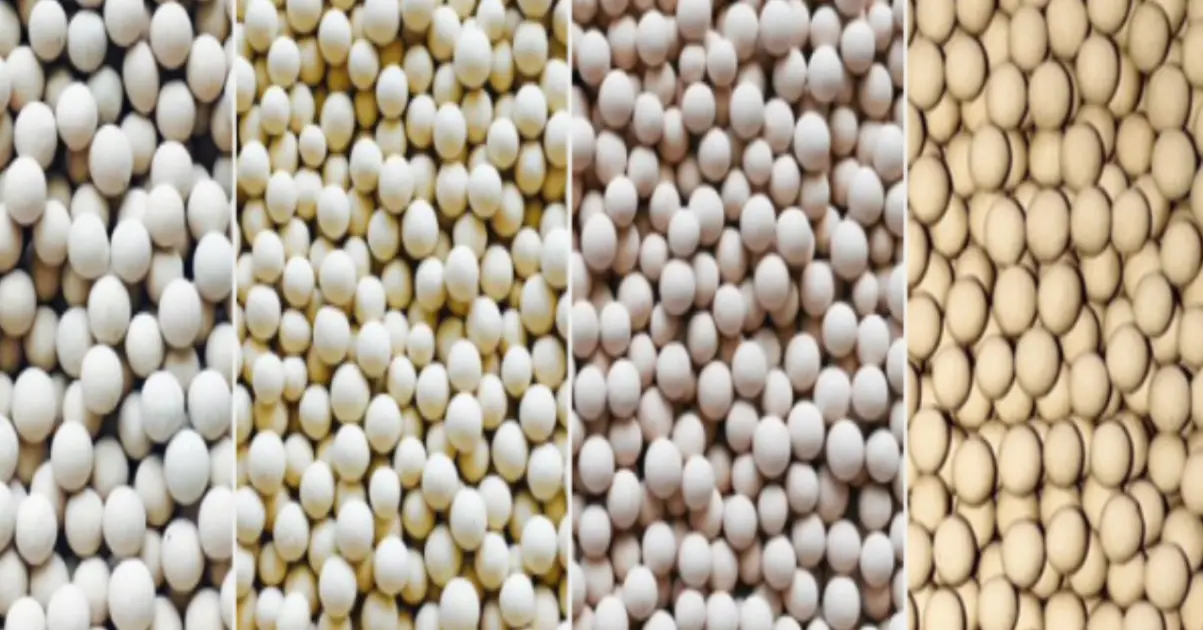
What is molecular sieve? Molecular sieve is a highly efficient industrial desiccant and adsorbent used for deep drying, moisture removal, gas separation, and purification. Its uniform microporous structure allows it to selectively adsorb water molecules and other specific compounds while excluding larger molecules, making it more selective than many conventional desiccants.
Molecular sieve is widely used in oil and gas, pharmaceuticals, electronics, HVAC, petrochemicals, and chemical processing across UAE and GCC markets. OozeChem supplies high-performance molecular sieve in UAE for industrial drying, gas separation, purification, and moisture control applications.
Molecular Sieve :
A molecular sieve is a porous crystalline material made from synthetic or natural zeolite aluminosilicates. It contains microscopic pores of precise sizes, usually measured in angstroms (Å).
These pores allow molecules smaller than the opening size to enter and become adsorbed, while larger molecules remain outside. zeolite sieve are considered one of the best industrial adsorbents where deep drying and high purity are required.
How Does Molecular Sieve Work?
Molecular sieve works through adsorption, not absorption.
- Adsorption = Molecules stick to the internal pore surfaces
- Absorption = Molecules penetrate into bulk material
Water molecules are strongly polar and very small, so they are quickly attracted into the sieve pores and trapped.
Example:
- Water enters 3A and 4A pores easily
- Larger hydrocarbons may be excluded
- CO₂ can be captured by larger pore grades like 13X
This selective mechanism is why molecular sieve are used in pressure swing adsorption (PSA) systems and gas separation plants.
Main Types of Molecular Sieve
Different grades are available based on pore size and chemical structure.
1. 3A Molecular Sieve
3A Molecular Sieve has an approximate pore size of 3 angstroms, making it highly effective for selective water adsorption while excluding larger molecules. It is commonly used for ethanol drying, refrigerant drying, unsaturated hydrocarbon dehydration, and cracked gas drying. This grade is best suited for applications where moisture removal is required without adsorbing larger compounds.
Buy 3A Molecular Sieve in UAE From OOZECHEM
2. 4A Molecular Sieve
4A Molecular Sieve features an approximate pore size of 4 angstroms and is one of the most widely used grades for general drying purposes. It is commonly applied in air drying, natural gas drying, solvent dehydration, HVAC systems, and packaging moisture control. It is best for general industrial drying applications where efficient moisture removal is essential.
See more about Oozechem’sIndustrial 4A Molecular Sieve Supplier
3. 5A Molecular Sieve
5A Molecular Sieve has an approximate pore size of 5 angstroms and is designed for more advanced separation processes. It is widely used in oxygen concentrators, PSA systems, hydrocarbon separation, and normal paraffin separation. This grade is best for oxygen generation and specialized gas separation applications.
Also Check Oozechem’s 5A Molecular Sieve for Oxygen Plants
4. 13X Molecular Sieve
13X Molecular Sieve has a larger pore structure with high adsorption capacity, making it ideal for large scale purification systems. It is commonly used in air separation plants, CO₂ removal systems, gas purification units, medical oxygen systems, and industrial nitrogen plants. It is best suited for high capacity gas purification and industrial separation processes.
See Oozechem’s 13X Molecular Sieve Supplier GCC
Molecular Sieve vs Silica Gel
Many buyers compare molecular sieve vs silica gel.
| Feature | Molecular Sieve | Silica Gel |
| Deep Drying | Excellent | Moderate |
| Low Humidity Performance | Very High | Lower |
| Selective Adsorption | Yes | No |
| Regeneration | Excellent | Good |
| Gas Purification | Best | Limited |
| Dew Point Control | Excellent | Moderate |
Industrial Applications of Molecular Sieve in UAE
Molecular sieve is widely used in gas drying systems where ultra-low moisture levels are required to maintain process efficiency and product purity.
1. Gas Drying
Zeolite sieve are widely used in gas drying applications where moisture removal is critical for system efficiency and product purity. They are commonly installed in compressed air systems, nitrogen plants, oxygen generators, and natural gas processing units to achieve very low dew points and prevent moisture related damage.
2. Refrigeration Industry
In the refrigeration and HVAC industry, molecular sieve are used to remove moisture from refrigerants and sealed systems. This helps prevent corrosion, ice crystal formation, and system blockage, ensuring smooth operation and longer equipment life.
3. Petrochemical Industry
The petrochemical sector uses molecular sieve for demanding purification and drying processes. They are commonly applied in feedstock drying, hydrocarbon purification, and catalyst protection, helping improve production efficiency and maintain product quality.
4. Oxygen Concentrators
Molecular sieve plays an essential role in oxygen generation systems. 5A and 13X molecular sieve are widely used in PSA (Pressure Swing Adsorption) oxygen concentrators to separate nitrogen from air and produce high purity oxygen.
5. Solvent Drying
Many industrial solvents must remain moisture free for safe and efficient use. Molecular sieve are used to dry solvents such as ethanol, methanol, ketones, and other industrial chemicals, making them suitable for sensitive manufacturing processes.
6. Pharmaceutical Industry
The pharmaceutical industry requires strict humidity control during production and storage. Molecular sieve are used where ultra low moisture conditions are necessary to protect sensitive ingredients and maintain product stability.
7. Electronics Industry
Moisture can damage delicate electronic components during manufacturing and storage. Molecular sieve helps protect moisture sensitive components, semiconductors, and packaged electronics, reducing failure risk and improving shelf life.
See more about detail guides of Molecular Sieve Applications in UAE
Key Benefits of Molecular Sieve Adsorbents
- Extremely low dew point drying
- High adsorption capacity
- Fast moisture removal
- Reusable after regeneration
- Long service life
- High temperature resistance
- Suitable for PSA systems
- Reliable purity control
How to Regenerate Molecular Sieve?
Once saturated, molecular sieve can usually be regenerated by removing trapped moisture.
Common regeneration methods:
- Hot air purge
- Vacuum desorption
- Temperature swing adsorption (TSA)
- Industrial oven heating
Typical regeneration temperatures depend on grade and contamination level.
How to Choose the Right Molecular Sieve?
Choose based on:
- Gas or liquid type
- Required dryness level
- Flow rate
- Pressure conditions
- Temperature range
- Molecule size to remove
- Regeneration system
Selecting the correct grade improves efficiency and lowers operating costs.
Why Industries Buy Molecular Sieve from Oozechem?
Oozechem supplies premium quality molecular sieve for industrial applications across GCC and global markets.
Available Grades:
- 3A Molecular Sieve
- 4A Molecular Sieve
- 5A Molecular Sieve
- 13X Molecular Sieve
Supply Options:
- Beads
- Pellets
- Bulk packaging
- Export ready supply
- Technical support
Frequently Asked Questions (FAQs)
What is a zeolite used for?
Zeolite sieve is used for drying gases and liquids, removing moisture, oxygen generation, nitrogen purification, and gas separation.
Is zeolite sieve better than silica gel?
For deep drying and critical industrial applications, zeolite sieve is generally better.
Can molecular sieve be reused?
Yes. Many molecular sieve can be regenerated through heating or purge systems.
Which zeolite sieve removes water best?
3A and 4A are commonly used for water removal depending on application.
What industries use molecular sieve?
Oil and gas, pharmaceuticals, food processing, HVAC, electronics, petrochemicals, oxygen plants, and nitrogen plants.
Conclusion
Molecular sieve is one of the most advanced industrial desiccants and adsorbents used for deep drying, gas purification, and separation processes. Its uniform pore structure enables precise moisture removal, making it essential for critical industrial applications across UAE and GCC industries.
Choosing the right grade 3A, 4A, 5A, or 13X molecular sieve, ensures higher efficiency, improved system performance, and reduced operational costs.