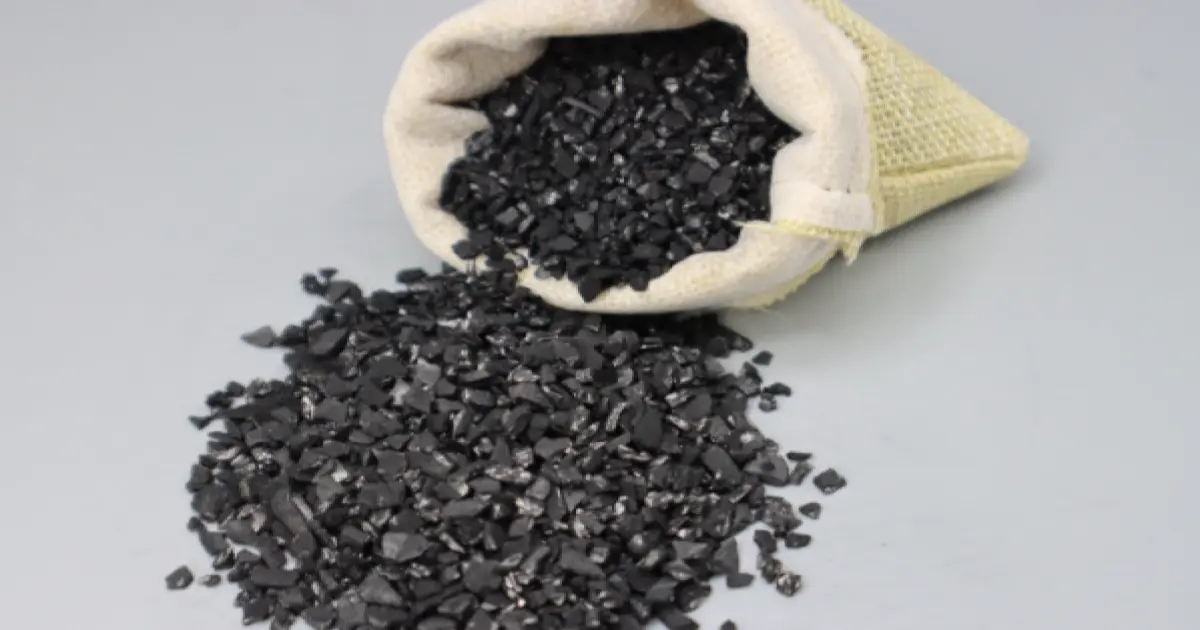
Choosing the right activated carbon begins with understanding how it is produced. The activated carbon manufacturing process directly affects adsorption efficiency, pore structure, surface area, durability, and overall performance. Among the various activated carbon activation methods, the two most widely used are physical activation of activated carbon (steam activation) and chemical activation of activated carbon.
This guide explains the differences between steam activation vs chemical activation, their manufacturing techniques, industrial applications, advantages, and how businesses in the UAE can choose the most suitable solution.
Understanding the Activated Carbon Manufacturing Process
The activated carbon production process converts carbon-rich raw materials into highly porous adsorbents capable of removing contaminants from gases and liquids.
The activated carbon manufacturing process generally consists of two major stages:
- Carbonization
- Activation
During carbonization, raw materials such as coconut shells, coal, wood, or biomass are heated in an oxygen-limited environment to produce char. The char then undergoes an activated carbon activation process, where millions of microscopic pores develop, creating a massive internal surface area for adsorption.
The choice between physical activation of activated carbon and chemical activation of activated carbon determines the final product’s performance characteristics.
What is Steam Activated Carbon?
Steam activated carbon is produced through a physical activation process, where carbonized material is exposed to superheated steam activation at temperatures ranging from approximately 800°C to 1,000°C.
Unlike chemical activation, no activating chemicals remain within the finished product, making steam activated carbon suitable for industries requiring high purity.
The process follows these steps:
- Carbonization of the raw material
- Carbonization and steam activation
- Development of an extensive pore network
- Cooling and quality inspection
This method produces exceptionally durable carbon with excellent mechanical strength and long service life.
Common Raw Materials Used for Steam Activation
Several raw materials are suitable for producing steam activated carbon, including:
- Coconut shells
- Coal
- Bituminous coal
- Anthracite
- Biomass
Among these, steam activated coconut shell carbon is widely recognized for its high hardness, superior adsorption capacity, and excellent performance in water purification.
Similarly, steam activated coal based carbon offers excellent durability for industrial gas treatment and wastewater applications.
What is Chemical Activated Carbon?
Unlike physical activation, chemical activated carbon is produced by impregnating raw materials with chemical activating agents before heating.
Common activating chemicals include:
- Phosphoric acid activated carbon
- Zinc chloride activated carbon
- Potassium hydroxide activated carbon
- KOH activated carbon
- H3PO4 activated carbon
These chemicals help create porous structures at relatively lower temperatures compared to steam activation.
After activation, extensive washing removes remaining chemicals before drying and packaging the final product.
Benefits of Chemical Activation
The chemical activation of activated carbon process offers several advantages:
- Faster activation
- Lower energy consumption
- High pore development
- Excellent adsorption of large organic compounds
- Cost-effective production for specific applications
Many manufacturers use this technique to produce chemically activated powdered carbon for liquid-phase adsorption systems.
Additionally, wood based activated carbon is commonly manufactured using chemical activation because its natural cellular structure responds well to chemical treatment.
How Steam Activation and Chemical Activation Differ
When comparing steam activation vs chemical activation, the most significant differences involve temperature, activating agents, pore development, and industrial applications.
| Feature | Steam Activation | Chemical Activation |
| Activation Method | Physical activation process | Chemical impregnation |
| Activation Medium | Steam | Acids or Alkalis |
| Operating Temperature | High | Moderate |
| Product Purity | Very High | Requires thorough washing |
| Durability | Excellent | Moderate |
| Typical Applications | Gas treatment, air purification, water treatment | Liquid purification, specialty chemicals |
While both methods produce highly effective adsorbents, the ideal choice depends on the intended application and performance requirements.
Industrial Applications of Steam Activated Carbon
Because of its excellent durability and adsorption performance, steam activated carbon is widely used across numerous industries.
Activated Carbon for Water Treatment
One of the largest applications is activated carbon for water treatment, where contaminants such as chlorine, pesticides, unpleasant taste, odors, and dissolved organic compounds are effectively removed.
Municipal treatment plants and industrial facilities also rely on activated carbon for drinking water to improve water quality while meeting stringent regulatory standards.
Activated Carbon for Wastewater Treatment
Industrial wastewater often contains dyes, solvents, oils, and organic pollutants that require effective adsorption.
High-quality activated carbon for wastewater treatment helps industries reduce environmental impact while complying with wastewater discharge regulations.
Activated Carbon for Air Purification
Industrial facilities use activated carbon for air purification to remove harmful gases, volatile organic compounds, and unpleasant odors from exhaust streams.
Applications include:
- Indoor air filtration
- Industrial ventilation systems
- Chemical manufacturing
- Paint production
- Automotive industries
Activated Carbon for VOC Removal
Many manufacturing facilities generate volatile organic compounds during production.
Activated carbon for VOC removal efficiently captures these contaminants before they are released into the atmosphere, helping companies improve workplace safety and environmental compliance.
Activated Carbon for Gas Purification
High-performance gas phase activated carbon plays a critical role in removing contaminants from industrial gas streams.
Typical applications include:
- Compressed air systems
- Natural gas treatment
- Biogas upgrading
- Industrial gas purification
- Chemical processing plants
Activated Carbon for Gold Recovery
Mining companies use activated carbon for gold recovery through carbon-in-pulp (CIP) and carbon-in-leach (CIL) processes, where activated carbon adsorbs dissolved gold from cyanide solutions.
Activated Carbon for Food Processing
The food industry depends on activated carbon for food processing to remove unwanted colors, odors, and impurities from food ingredients while maintaining product quality.
Activated Carbon for Pharmaceutical Purification
High-purity activated carbon for pharmaceutical purification removes color bodies, trace contaminants, and impurities during pharmaceutical manufacturing, supporting stringent quality standards.
Activated Carbon for Sugar Decolorization
Food manufacturers use activated carbon for sugar decolorization to improve the appearance and purity of sugar syrups by removing colored organic compounds.
Activated Carbon for Edible Oil Refining
Refineries rely on activated carbon for edible oil refining to eliminate pigments, oxidation products, and unwanted odors while preserving oil quality.
Activated Carbon for Chemical Industry
The activated carbon for chemical industry is widely applied in catalyst support, solvent purification, chemical recovery, and emission control, making it an essential filtration medium in many industrial processes.
See more detail about Activated Carbon Applications
Conclusion
Whether you need best activated carbon for water treatment, best activated carbon for air filtration, or solutions for activated carbon for industrial filtration, choosing a reputable activated carbon supplier UAE ensures consistent product quality and technical support.
At OozeChem, we provide premium activated carbon solutions for industries across the UAE and GCC, helping businesses improve filtration efficiency, meet regulatory requirements, and optimize operational performance with high-quality activated carbon products tailored to their specific applications.