
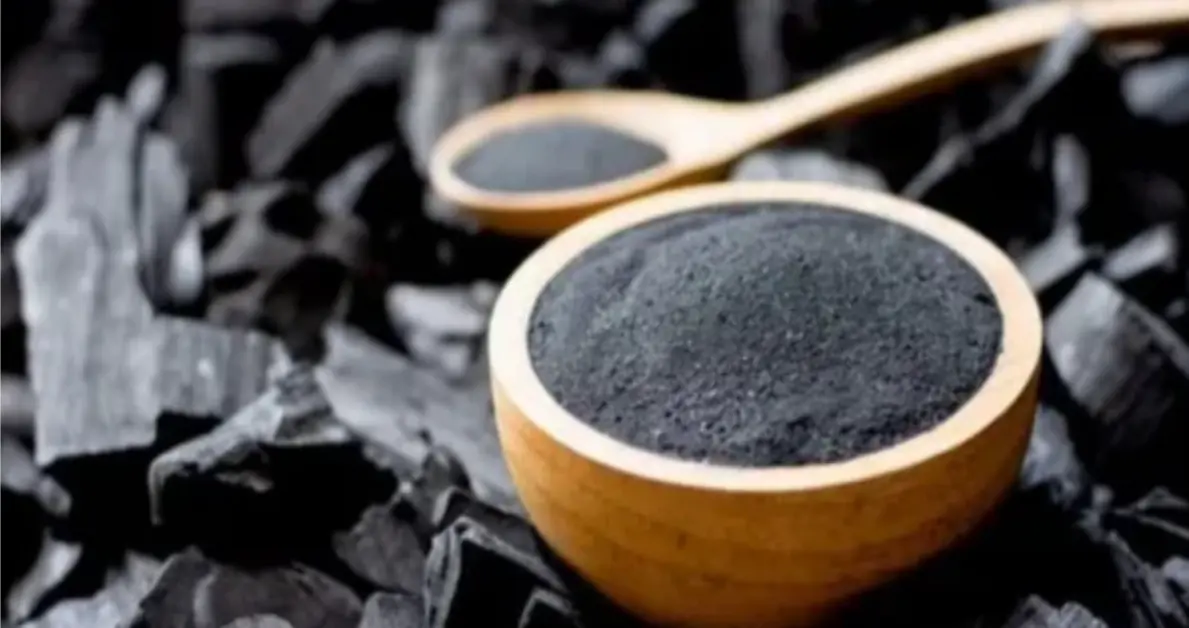
Activated carbon for solvent recovery provides an effective adsorption-based approach for capturing solvent vapors from gas streams so they can be recovered, regenerated, and potentially reused.
The process relies on the highly porous structure of activated carbon, which allows it to capture many organic compounds from air and other gas streams. Once the carbon approaches its adsorption capacity, it can be regenerated under suitable operating conditions, allowing the adsorbed solvent to be recovered while preparing the carbon for another cycle.
For industries in the UAE and wider GCC, where efficient resource use, emissions management, and reliable industrial processes are increasingly important, understanding how activated carbon solvent recovery works can help businesses select an appropriate treatment and recovery system.
What Is Solvent Recovery?
Solvent recovery is the process of capturing solvlents from industrial exhaust gases, vapors, or process streams and recovering them for reuse or controlled handling.
Organic solvents are widely used because they can dissolve, disperse, or clean other materials effectively. However, some solvents can evaporate during production or handling. Instead of allowing valuable solvent vapors to escape with exhaust air, industries can use recovery systems to capture them.
Depending on the solvent and process conditions, recovery can involve technologies such as:
- Adsorption
- Condensation
- Absorption
- Membrane separation
- Distillation
- Combinations of these technologies
Solvent recovery using activated carbon is particularly useful when organic vapors are present at concentrations and operating conditions suitable for adsorption.
The objective is not simply to remove a contaminant. A well-designed recovery system aims to capture the solvent efficiently and make recovery or reuse possible.
How Activated Carbon for Solvent Recovery Works?
Activated carbon contains an extensive network of pores that provides a large internal surface area. When solvent-containing gas passes through an activated carbon bed, organic molecules are attracted to and retained on the carbon surface. This process is known as adsorption.
A simplified activated carbon solvent recovery process can be understood in four stages:
1. Solvent Vapor Enters the Adsorption System
Air or another gas containing solvent vapors is directed through an activated carbon bed.The system needs to be designed according to factors such as gas flow, temperature, solvent concentration, pressure, humidity, and the properties of the target solvent.
2. Solvent Is Adsorbed
As the gas moves through the carbon, suitable organic molecules are retained within the carbon’s pore structure. The treated gas leaving the adsorption bed contains a substantially lower concentration of the targeted solvent.
3. Carbon Approaches Saturation
Over time, the available adsorption sites become increasingly occupied. If the carbon continues operating beyond its effective capacity, solvent breakthrough can occur. Monitoring and appropriate cycle control are therefore important for maintaining consistent performance.
4. Carbon Is Regenerated
Once the adsorption cycle reaches its specified endpoint, the carbon can be regenerated using an appropriate method. During regeneration, the adsorbed solvent is released from the carbon. The concentrated solvent vapor can then be directed to a recovery or condensation stage, depending on the system design.
Activated Carbon Solvent Recovery Process
The overall process can be represented as:
Solvent-containing gas → Activated carbon adsorption → Carbon saturation → Regeneration → Solvent recovery → Carbon reuse
This cyclic operation distinguishes adsorption-based recovery from a simple single-use filtration process.
The exact design varies according to the solvent being recovered and the operating conditions. For example, a system handling a high concentration of solvent vapor may require different carbon characteristics and regeneration conditions than a system treating a relatively dilute exhaust stream.
For this reason, choosing carbon solely by its surface area is not enough. Adsorption capacity, pore distribution, carbon type, solvent characteristics, moisture, temperature, and system configuration all need to be considered.
Why Use Activated Carbon for Solvent Recovery?
Activated carbon for suitable solvent recovery applications.
High Adsorption Capacity
Its porous structure provides numerous adsorption sites capable of retaining many organic molecules.
Effective Vapor Capture
Activated carbon can capture solvent vapors from air and other gas streams, making it useful in processes where solvents are lost through evaporation.
Regeneration Potential
Depending on the carbon grade and system design, the adsorbent can be regenerated and returned to service rather than discarded after one adsorption cycle.
Solvent Reuse
Recovering a valuable solvent can reduce the amount of fresh solvent required by a manufacturing process when the recovered material meets the necessary quality requirements.
Reduced Solvent Loss
Capturing vapors before they leave an industrial process can help reduce material losses while supporting emissions-control objectives.
Adaptability to Industrial Systems
Activated carbon adsorption can be incorporated into engineered systems with multiple beds operating in alternating adsorption and regeneration cycles.
Types of Activated Carbon for Solvent Recovery
Not every activated carbon product performs identically in solvent recovery applications. The appropriate grade depends on the target solvent and operating conditions.
Granular Activated Carbon
Granular activated carbon can be used in fixed-bed adsorption systems where gas passes through a packed bed.
Its particle size, pore structure, mechanical strength, and adsorption characteristics influence system performance.
Extruded Activated Carbon
Extruded or pelletized activated carbon is commonly used in gas-phase applications because its shape can provide suitable airflow characteristics through an adsorption bed.
The appropriate pellet size depends on system requirements, pressure drop, gas velocity, and adsorption performance.
Coal-Based Activated Carbon
Coal-based activated carbon can offer a pore structure suitable for various gas-phase adsorption applications. Its performance should be evaluated against the specific solvent and process conditions.
Coconut Shell Activated Carbon
Coconut-shell carbon typically has a high proportion of micropores. It is widely used for gas and vapor adsorption, although suitability for solvent recovery depends on the molecular characteristics of the solvent and the required adsorption capacity.
The key consideration is therefore not simply whether carbon is granular, pelletized, coal-based, or coconut-shell based. The carbon should be matched to the solvent and the operating conditions.
Activated Carbon for Organic Solvent Recovery
Organic solvents differ significantly in molecular size, polarity, volatility, and adsorption behavior.
Examples of solvents that may be encountered in industrial processes include:
- Toluene
- Xylene
- Ethanol
- Methanol
- Acetone
- Other organic solvent vapors
However, the suitability of activated carbon should be determined for the specific solvent and application rather than assuming one carbon grade will work equally well for all compounds. Important factors include:
Solvent properties: Molecular size, polarity, boiling point, and vapor pressure can influence adsorption and recovery.
Temperature: Adsorption generally becomes less favorable as temperature increases, so operating temperature needs to be considered.
Humidity: Water vapor can compete for adsorption sites and affect the performance of some activated carbons.
Concentration: The solvent concentration in the gas stream influences loading, cycle time, and recovery requirements.
Gas flow: Flow rate affects contact time and pressure drop through the carbon bed.
Activated Carbon Regeneration for Solvent Recovery
Regeneration is an important part of an adsorption-based recovery system. After the carbon has adsorbed a significant amount of solvent, the adsorbed material needs to be removed so that the carbon can be reused. Depending on the application, regeneration may involve methods such as thermal treatment or inert-gas-assisted regeneration.
During regeneration, the solvent is desorbed from the carbon and produces a concentrated vapor stream. This stream can then be processed through an appropriate recovery stage. The regeneration method must be selected carefully because excessive heat or unsuitable operating conditions can affect the carbon, solvent, or overall system performance.
A properly designed cycle therefore balances:
Adsorption capacity + breakthrough time + regeneration efficiency + solvent recovery + carbon service life
This is why activated carbon regeneration for solvent recovery should be considered as part of the complete system rather than as an isolated step.
How to Choose Activated Carbon for Solvent Recovery?
Selecting the correct activated carbon is one of the most important parts of designing an adsorption system.
Consider the following factors:
1. Target Solvent
Identify the exact compound or mixture that needs to be captured. Different solvents interact differently with activated carbon.
2. Solvent Concentration
The concentration entering the adsorption bed affects loading capacity and operating cycle length.
3. Gas Flow Rate
Higher gas flow can reduce contact time and affect pressure drop, so carbon bed design needs to account for the actual operating flow.
4. Temperature and Humidity
Temperature and moisture can significantly influence adsorption performance.
5. Carbon Pore Structure
Micropores, mesopores, and macropores contribute differently to adsorption and molecular transport. The pore structure should be compatible with the target molecules.
6. Regeneration Method
The carbon should be compatible with the intended regeneration process and operating conditions.
7. Mechanical Strength
For industrial fixed-bed systems, carbon must withstand handling and repeated adsorption-regeneration cycles without excessive breakdown.
8. Required Recovery Performance
The required outlet concentration, recovery rate, cycle time, and service life should be established before selecting a grade.
For these reasons, businesses should discuss their application requirements with an experienced activated carbon supplier before finalizing the product specification.
OozeChem Activated Carbon for Industrial Applications
OozeChem supplies activated carbon for industrial applications in the UAE and wider GCC region. The appropriate activated carbon grade depends on the intended application, gas composition, operating conditions, and required adsorption performance.
For solvent recovery projects, customers should provide information such as the target solvent, approximate concentration, gas flow rate, operating temperature, humidity, and whether regeneration is required. This information helps determine a more appropriate carbon specification.
If you are sourcing activated carbon for an industrial solvent recovery or vapor-treatment application, contact OozeChem to discuss your requirements and product options.
Frequently Asked Questions
What is activated carbon for solvent recovery?
Activated carbon for solvent recovery is an adsorption medium used to capture suitable organic solvent vapors from gas streams. The carbon retains the solvent, and the adsorbed material can potentially be released during regeneration for subsequent recovery.
How does activated carbon recover solvents?
Activated carbon first adsorbs solvent vapors as they pass through the carbon bed. Once the carbon becomes loaded, a regeneration step releases the adsorbed solvent. The concentrated vapor can then be processed for recovery or reuse.
Can activated carbon be regenerated after solvent adsorption?
Yes. Activated carbon can be regenerated in appropriately designed systems. The regeneration method depends on the carbon, solvent, equipment, and operating conditions.
What solvents can activated carbon recover?
Activated carbon can adsorb many organic vapors, including suitable applications involving solvents such as toluene, xylene, ethanol, methanol, and acetone. Actual performance depends on the solvent and process conditions, so carbon selection should be application-specific.
Is activated carbon suitable for VOC recovery?
Activated carbon can be suitable for recovering or controlling certain VOCs when their concentration, temperature, humidity, and other process conditions are compatible with adsorption.
What is the difference between solvent recovery and VOC removal?
VOC removal focuses primarily on reducing VOC concentrations in an exhaust stream, while solvent recovery aims to capture the solvent so it can potentially be recovered and reused. A system can sometimes accomplish both objectives.
Conclusion
Activated carbon for solvent recovery helps industries capture solvent vapors, reduce solvent losses, and support solvent reuse. Selecting the right carbon depends on the solvent type, concentration, gas flow, temperature, humidity, and regeneration requirements.
OozeChem supplies activated carbon for industrial applications across the UAE and GCC. Contact us to discuss your solvent recovery requirements and find a suitable activated carbon solution.
