Activated carbon has become one of the world’s most important filtration materials due to its exceptional ability to remove contaminants from liquids and gases. From drinking water treatment and industrial wastewater purification to air pollution control and gas purification, this highly porous material is used across countless industries. But have you ever wondered how activated carbon is made or what makes it so effective?
In this guide, you’ll learn everything about activated carbon production, including the raw materials, manufacturing methods, activation techniques, industrial applications, and how to select the right product for your business.
What Is Activated Carbon?
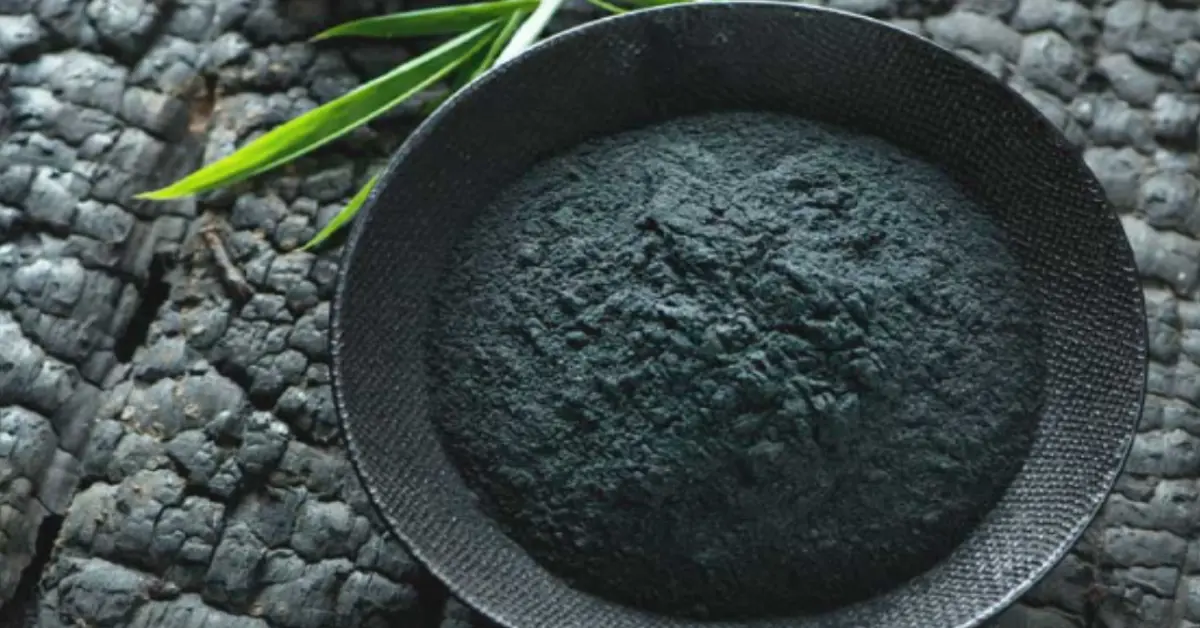
Activated carbon, also known as activated charcoal, is a highly porous form of carbon designed to adsorb impurities from air, water, and industrial process streams. Unlike ordinary charcoal, activated carbon undergoes a specialized activated carbon manufacturing process that significantly increases its surface area and adsorption capacity.
A single gram of activated carbon can have a surface area exceeding 1,000 square meters, making it one of the most effective industrial adsorbents available today.
Why Is the Activated Carbon Production Process Important?
The effectiveness of activated carbon depends entirely on how it is manufactured. A properly controlled activated carbon production process develops an interconnected network of micropores, mesopores, and macropores that maximize adsorption performance.
The production method influences several critical characteristics, including:
- Surface area
- Pore size distribution
- Adsorption capacity
- Mechanical strength
- Hardness
- Purity
- Regeneration capability
For this reason, manufacturers carefully select both the raw material and the activation method based on the intended application.
Raw Materials Used in Activated Carbon Manufacturing
One of the first steps in activated carbon manufacturing is selecting an appropriate carbon source. Different raw materials produce activated carbon with unique pore structures and adsorption characteristics.
Coconut Shell Activated Carbon
Coconut shell activated carbon is one of the most popular materials due to its high hardness, excellent micropore structure, and long service life.
Common Applications
- Drinking water purification
- Gold recovery
- Air purification
- Gas purification
- VOC removal
- Odor control
Its high adsorption efficiency makes it an excellent choice for applications requiring superior contaminant removal.
Coal-Based Activated Carbon
Coal based activated carbon offers a balanced pore structure containing both micropores and mesopores, making it suitable for treating larger organic molecules.
Industries commonly use coal-based activated carbon for:
- Municipal water treatment
- Industrial wastewater treatment
- Chemical processing
- Air pollution control
- Industrial filtration
Wood-Based Activated Carbon
Wood based activated carbon contains a larger proportion of mesopores and macropores, making it particularly effective for removing larger color compounds and organic contaminants.
Typical applications include:
- Food processing
- Beverage production
- Pharmaceutical manufacturing
- Sugar refining
- Chemical purification
Each raw material is selected according to the desired adsorption performance and end-use application.
How Is Activated Carbon Produced?
Many people ask, “How is activated carbon produced?” The answer involves two primary manufacturing stages:
- Carbonization
- Activation
These two processes work together to convert ordinary carbon-rich materials into highly porous adsorption media capable of removing contaminants efficiently.
Step 1: Carbonization Process
The first stage of the activated carbon production process is known as carbonization.
During carbonization, raw materials such as coconut shells, coal, or wood are heated at temperatures ranging from approximately 400°C to 700°C in an oxygen-limited environment. Because oxygen is restricted, the material does not burn. Instead, volatile compounds, moisture, and non-carbon elements are removed, leaving behind a carbon-rich structure known as char.
At this stage, the material still has relatively low adsorption capacity because most of its pore structure has not yet developed.
Step 2: Activation Process
The second stage is the activation process, which creates the extensive pore network responsible for activated carbon’s remarkable performance.
During activation, controlled reactions enlarge existing pores while generating millions of additional microscopic pores throughout the carbon structure.
This significantly increases:
- Surface area
- Adsorption capacity
- Porosity
- Filtration efficiency
Two primary methods are used in activated carbon production:
- Steam activated carbon
- Chemical activation of activated carbon
Learn more about Activated Carbon Regeneration
Steam Activation Process
The steam activation process for activated carbon is one of the most widely used manufacturing methods worldwide. After carbonization, the char is exposed to steam at extremely high temperatures, typically between 800°C and 1,000°C.
The steam reacts with the carbon surface, gradually opening and enlarging pores without introducing chemical additives.
Advantages of Steam Activated Carbon
- High purity
- Excellent adsorption performance
- Suitable for food-grade applications
- Ideal for water treatment
- Environmentally friendly process
- Widely accepted for industrial filtration
Because no chemical activating agents remain in the final product, steam activated carbon is commonly used in drinking water treatment, pharmaceutical manufacturing, and food processing industries.
Chemical Activation of Activated Carbon
Another important activated carbon manufacturing method is chemical activation of activated carbon.
Instead of using steam, raw materials are impregnated with chemical activating agents such as:
- Phosphoric acid
- Zinc chloride
- Potassium hydroxide
The treated material is then heated under controlled conditions, where the chemicals help develop a highly porous internal structure at lower activation temperatures.
Steam Activation vs Chemical Activation
Selecting the appropriate activated carbon production method depends on the desired application.
| Feature | Steam Activation | Chemical Activation |
| Activating Agent | Steam | Chemical reagents |
| Operating Temperature | Higher | Lower |
| Purification Required | Minimal | Extensive washing |
| Product Purity | Very High | High after washing |
| Common Applications | Water treatment, food, pharmaceuticals | Industrial chemicals, specialty adsorbents |
Both methods produce high-quality activated carbon, but manufacturers choose the process based on product specifications, raw material type, and end-use requirements.
How to Choose the Right Activated Carbon?
Choosing the right activated carbon depends on several important factors.
Consider the following before selecting a product:
- Type of contaminant
- Liquid or gas application
- Required pore structure
- Particle size
- Flow rate
- Contact time
- Operating temperature
- Regeneration requirements
For example:
| Application | Recommended Product |
| Drinking Water | Coconut Shell Activated Carbon |
| Industrial Wastewater | Coal Based Activated Carbon |
| Air Purification | Pellet Activated Carbon |
| VOC Removal | Pellet Activated Carbon |
| H₂S Removal | Impregnated Activated Carbon |
| Gold Recovery | Coconut Shell Activated Carbon |
| Food Processing | Steam Activated Carbon |
Selecting the correct product improves filtration efficiency, extends service life, and reduces operating costs.
See more about Activated Carbon Applications
Why Businesses Choose a Reliable Activated Carbon Supplier
The quality of activated carbon directly affects filtration performance. Working with an experienced activated carbon supplier ensures consistent product quality, technical support, and reliable supply for industrial operations.
When selecting an industrial activated carbon supplier, consider:
- Product quality certifications
- Consistent adsorption performance
- Multiple product grades
- Technical expertise
- Bulk supply capability
- Fast delivery
- Industry experience
Conclusion
Understanding how activated carbon is made helps businesses choose the right filtration media for their specific applications. The activated carbon production process combines carbonization and activation to create an exceptionally porous material capable of removing contaminants from water, air, and industrial process streams.
Whether produced through the steam activation process or chemical activation of activated carbon, the final product offers outstanding adsorption capacity, making it indispensable in industries such as water treatment, air purification, pharmaceuticals, food processing, mining, and chemical manufacturing.
Frequently Asked Questions
1. How is activated carbon produced?
Activated carbon is produced through two primary stages: carbonization and activation. These processes create a highly porous structure with exceptional adsorption capacity.
2. What raw materials are used in activated carbon manufacturing?
Common raw materials include coconut shells, coal, wood, peat, and other carbon-rich materials. Each produces activated carbon with different pore characteristics.
3. What is the difference between carbonization and activation?
Carbonization converts raw materials into carbon-rich char, while activation develops the internal pore structure that gives activated carbon its adsorption properties.
4. What is steam activation?
The steam activation process uses high-temperature steam to enlarge pores and increase the surface area of activated carbon without adding chemical activating agents.
5. What is chemical activation of activated carbon?
This method uses chemicals such as phosphoric acid or zinc chloride during manufacturing to create a porous carbon structure at lower temperatures.
6. Where can I buy activated carbon in the UAE?
Businesses looking for high-quality activated carbon can source products from experienced industrial suppliers offering grades for water treatment, air filtration, gas purification, and specialized industrial applications.