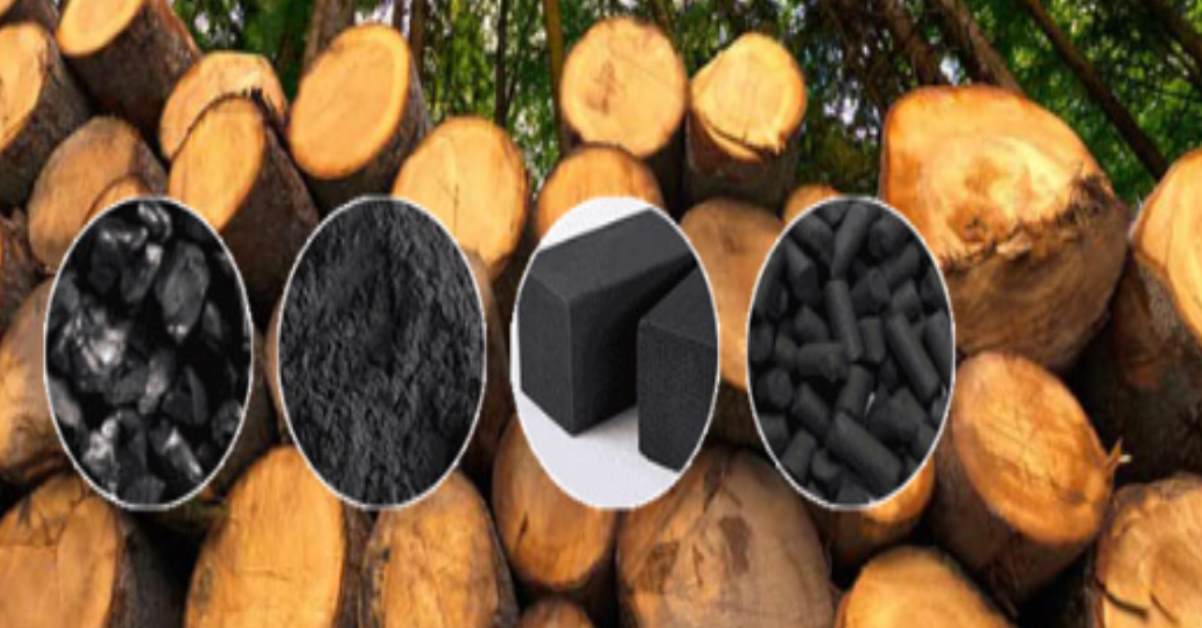
Wood-based activated carbon is a porous adsorbent produced from wood and other biomass materials, known for its high surface area and strong adsorption capacity. Its pore structure makes it effective for removing impurities from gases and liquids, supporting applications in water treatment, air purification, food processing, and pharmaceutical manufacturing.
This guide explains the wood-based activated carbon manufacturing process, properties, and industrial uses, along with its role in modern filtration and purification systems. As industries in the UAE increasingly adopt efficient and sustainable adsorption technologies, wood-based activated carbon continues to gain attention for diverse industrial applications.
What Is Wood Based Activated Carbon?
It is a highly porous carbon material made from renewable wood sources such as hardwood, softwood, sawdust, wood chips and forestry by products. Through specific thermal and activation processes the raw wood is transformed into a powerful adsorbent capable of trapping impurities, odors, organic compounds and contaminants.
The wood based activated carbon (unlike regular charcoal) is treated in such a way that there are millions of very small pores inside the structure. The pores of the material greatly increase the available surface area . This allows the material to capture contaminants effectively . Widely used in:
- Water purification systems
- Air filtration units
- Food processing industries
- Pharmaceutical manufacturing
- Chemical processing plants
- Municipal water treatment facilities
- Industrial wastewater treatment plants
How Is Wood Based Activated Carbon Made?
Many industries ask, how it is made and what makes it different from other activated carbon products. The manufacturing process generally involves two major stages:
1. Carbonization
Wood raw materials are heated at high temperatures in a low oxygen environment. This process removes moisture, volatile compounds and impurities while producing a carbon rich material.
2. Activation
The carbonized material is further processed using steam or activating gases at elevated temperatures. During this stage, an extensive network of pores develops throughout the carbon structure.
The result is a high surface area activated carbon with exceptional adsorption characteristics.
The quality of the final product depends on several factors:
- Wood source selection
- Activation temperature
- Activation duration
- Pore development
- Surface chemistry
These factors directly influence adsorption capacity and application performance.
Types of Wood Based Activated Carbon
Depending on industrial requirements, it is available in several forms.
Powdered Wood Activated Carbon
It consists of fine particles designed for rapid adsorption and efficient contaminant removal.
Common applications include:
- Water treatment
- Decolorization processes
- Food processing
- Pharmaceutical purification
- Chemical manufacturing
Granular Wood Activated Carbon
Granular wood activated carbon features larger particle sizes suitable for continuous filtration systems.
Applications include:
- Drinking water treatment
- Industrial filtration
- Air purification systems
- Solvent recovery systems
- Wastewater treatment facilities
Key Properties of Wood Based Activated Carbon
The popularity comes from its unique physical and chemical properties.
High Adsorption Capacity
Its extensive internal pore network provides excellent activated carbon adsorption performance for both liquid and gas purification applications.
Large Surface Area
A well developed surface area allows contaminants to attach efficiently to the carbon structure.
Advanced Pore Structure
Wood based carbon contains both micropore structure and mesoporous activated carbon characteristics, making it suitable for adsorbing molecules of various sizes.
Sustainable Raw Material
Unlike fossil based carbon products, wood derived activated carbon is produced from renewable biomass materials, making it an attractive option for environmentally conscious industries.
Eco Friendly Performance
Many businesses prefer eco-friendly activated carbon because it supports sustainability initiatives and environmental compliance programs.
Benefits of Wood Based Activated Carbon
The numerous benefits of wood based activated carbon make it one of the most versatile purification materials available today.
Superior Contaminant Removal
The material effectively supports:
- Organic contaminant removal
- Color reduction
- Odor removal
- Taste improvement
- Chemical purification
Sustainable Filtration Solution
As a renewable source of activated carbon, it helps organizations reduce their environmental footprint while maintaining high purification standards.
Excellent Decolorization Performance
Wood based activated carbon is often considered the best activated carbon for decolorization in industries such as food processing, edible oil refining and chemical manufacturing.
Versatility Across Industries
Its adaptable pore structure makes it suitable for water, air, food, pharmaceutical and industrial purification applications.
Applications
Wood Based Activated Carbon for Water Treatment
One of the most important wood based activated carbon applications is water purification.
Municipal Water Treatment
Municipal facilities use activated carbon for municipal water treatment to improve water quality and remove unwanted compounds.
Industrial Water Treatment
Many facilities use industrial water treatment carbon to eliminate contaminants from process water streams.
Wastewater Treatment
Wood based activated carbon for wastewater treatment helps remove:
- Organic pollutants
- Industrial chemicals
- Odors
- Color compounds
- Trace contaminants
This contributes to cleaner discharge streams and improved environmental compliance.
UAE Water Treatment Applications
As water conservation remains a priority across the region, demand for activated carbon for water treatment in the UAE continues to grow in municipal and industrial sectors.
Wood Based Activated Carbon for Air Purification
Another major application is activated carbon for air purification.
Industries rely on activated carbon for:
- VOC removal
- Odor removal
- Air pollution control
- Industrial exhaust treatment
- Indoor air quality improvement
Its extensive pore structure enables effective capture of gaseous contaminants, making it an important component of modern filtration systems.
Applications in Food and Beverage Processing
The food industry frequently uses wood based activated carbon for food industry applications.
Common uses include:
- Sugar purification
- Beverage purification
- Food ingredient processing
- Edible oil refining
- Decolorization processes
Many manufacturers utilize activated carbon for edible oil purification to improve product quality and appearance.
Pharmaceutical and Chemical Industry Applications
The pharmaceutical sector depends heavily on wood based activated carbon for pharmaceutical industry operations.
Applications include:
- API purification
- Solvent recovery
- Process filtration
- Product decolorization
- Chemical purification
Similarly, chemical manufacturers utilize activated carbon for chemical processing to improve product quality and process efficiency.
How OOZECHEM Supports Industrial Purification Solutions?
As a trusted supplier of industrial purification products in the UAE, OOZECHEM provides high quality activated carbon solutions alongside other specialty adsorbents used across various industries.
In addition to industrial activated carbon, OOZECHEM supplies products such as Molecular Sieves, Carbon Molecular Sieves (CMS), Silica Gel, Activated Alumina, Calcium Hypochlorite and Sodium Benzoate. These products support diverse applications including moisture control, gas purification, water treatment, air separation, food preservation and industrial filtration.
By combining industrial purification solutions with reliable technical support, OOZECHEM helps industries achieve improved process efficiency, sustainability and regulatory compliance.
Conclusion
Wood based activated carbon is a highly efficient and sustainable adsorbent for water treatment, air purification, food processing, pharmaceutical manufacturing and chemical industries. Its high adsorption capacity, advanced pore structure and renewable origin make it a preferred choice for businesses looking to implement efficient and environmentally responsible filtration solutions.
As advanced purification technology continues to be invested in the UAE industries, the demand for wood based activated carbon, industrial activated carbon and other sustainable filtration materials is forecast to grow. In the form of activated carbon, wood based activated carbon is still one of the most versatile adsorbents for modern industrial applications such as purification purposes, removal of VOCs, decolorisation or wastewater treatment.