Carbon Molecular Sieve vs Zeolite Molecular Sieve is an important comparison for industries selecting the right adsorbent for gas separation and purification. Both CMS and ZMS are synthetic molecular sieves with selective adsorption properties, but their pore structures, adsorption behavior, and suitable applications differ significantly.
This guide explains what molecular sieves are, how CMS and ZMS work, and the key differences between carbon molecular sieve and zeolite molecular sieve. Understanding these differences can help industries choose the appropriate adsorbent for nitrogen generation, gas drying, purification, and other industrial gas separation processes.
What Are Molecular Sieves?
Molecular sieves are synthetic adsorbents engineered with a highly uniform pore structure. This precise pore size allows them to separate gas molecules based on size, shape, or how strongly different molecules are attracted to the adsorbent surface. Unlike simple filters that physically block particles, molecular sieve adsorbents work at the molecular level, making them essential in processes where separating very similar gas molecules matters.
Molecular sieve applications span a wide range of industries, including nitrogen generation, oxygen generation, natural gas purification, air drying, and petrochemical processing. The two main categories used for gas separation are carbon based sieves and zeolite based sieves, each built on a different material and separation principle.
How Do Molecular Sieves Work?
Understanding how molecular sieves separate gases starts with the concept of selective adsorption. In a pressure swing adsorption (PSA) system, gas is passed through a bed of molecular sieve material under pressure. Depending on the type of sieve used, certain molecules are adsorbed onto the material’s surface or into its pores faster than others, while the remaining gas passes through.
This is where CMS and ZMS diverge significantly:
- Carbon molecular sieve separates gases primarily based on the rate of diffusion, meaning smaller molecules like oxygen diffuse into the carbon’s micropores faster than larger molecules like nitrogen.
- Zeolite molecular sieve separates gases primarily based on equilibrium adsorption, meaning it selectively attracts and holds certain molecules, such as nitrogen, more strongly than others based on polarity and molecular interaction.
This difference in separation mechanism is the foundation of everything else that sets CMS and ZMS apart.
Types of Molecular Sieves
Carbon Molecular Sieve (CMS)
Carbon molecular sieve is produced from carbon based raw materials processed to create a highly controlled pore structure. CMS molecular sieve works through kinetic separation, exploiting the fact that different gas molecules diffuse into its pore structure at different speeds.
Key characteristics of carbon molecular sieve include:
- Pore sizes engineered to allow fast diffusion of smaller molecules like oxygen while restricting larger molecules like nitrogen
- Strong performance in nitrogen production, since nitrogen is left behind as the product gas
- Good resistance to moisture and contaminants compared to some other adsorbents
- Commonly used in PSA nitrogen generators across industrial applications
Carbon molecular sieve for PSA nitrogen systems is one of the most established applications of this adsorbent, widely used in industries that require an onsite, reliable source of high purity nitrogen.
Zeolite Molecular Sieve (ZMS)
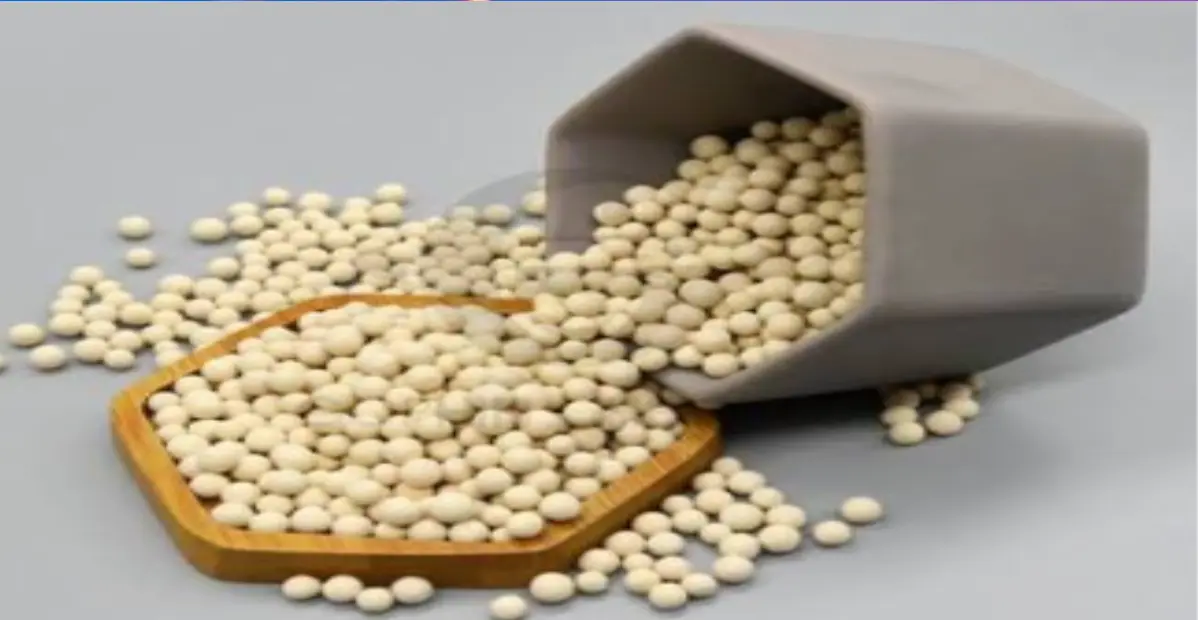
Zeolite molecular sieve is a crystalline aluminosilicate material with a highly ordered pore and cage structure. Unlike CMS, zeolite molecular sieve separates gases through equilibrium adsorption, meaning it selectively attracts molecules based on polarity, size, and chemical affinity rather than diffusion speed alone.
Key characteristics of zeolite molecular sieve include:
- Strong affinity for nitrogen molecules, making it effective at removing nitrogen from air to concentrate oxygen
- Widely used in PSA oxygen generation systems
- Available in different pore size variants (commonly 3A, 4A, 5A, and 13X) suited to different separation tasks such as drying, purification, and gas separation
- Effective across a broad range of applications beyond air separation, including natural gas drying and petrochemical purification
ZMS for oxygen generation is one of the most common uses of zeolite molecular sieve, since its strong nitrogen affinity allows oxygen to pass through as the product gas.
CMS vs ZMS: Key Differences
The table below summarizes how carbon molecular sieve and zeolite molecular sieve compare across the factors that matter most in gas separation system design.
| Factor | Carbon Molecular Sieve (CMS) | Zeolite Molecular Sieve (ZMS) |
| Adsorption Mechanism | Kinetic separation, based on molecule size and diffusion speed | Equilibrium adsorption, based on chemical affinity and polarity |
| Gas Selectivity | Allows oxygen and smaller molecules to diffuse in quickly, leaving purified nitrogen as the output gas | Selectively adsorbs nitrogen, allowing oxygen to pass through as the output gas |
| Primary Application | Nitrogen generation | Oxygen generation |
| Common Uses | Inert gas blanketing, food packaging, electronics manufacturing, fire suppression systems | Oxygen concentrators, medical oxygen generation, natural gas drying, petrochemical purification |
| Role in PSA Systems | Standard adsorbent for PSA nitrogen generation | Standard adsorbent for PSA oxygen generation |
| Interchangeability | Not interchangeable with ZMS, using the wrong sieve reduces gas purity and system efficiency | Not interchangeable with CMS, each material is optimized for its specific separation mechanism |
In short, the difference between CMS and ZMS largely comes down to which gas you need to produce as your final product. If the goal is high purity nitrogen, CMS is the correct material. If the goal is concentrated oxygen, ZMS is the standard choice.
Molecular Sieve Applications in Gas Separation
Nitrogen Generation with CMS
CMS for nitrogen generation is one of the most common industrial uses of carbon molecular sieve. In a typical PSA nitrogen generator, compressed air passes through a CMS bed, where oxygen and other small molecules are adsorbed faster than nitrogen. The result is a stream of high purity nitrogen gas suitable for applications such as:
- Inert atmosphere protection in manufacturing
- Food and beverage packaging
- Chemical and pharmaceutical processing
- Fire and explosion prevention systems
Oxygen Generation with ZMS
Molecular sieve for oxygen generation almost always relies on zeolite based material. ZMS for oxygen generation works by adsorbing nitrogen from compressed air, allowing oxygen to be collected as the product gas. Common applications include:
- Medical oxygen concentrators
- Industrial oxygen supply for combustion and welding
- Wastewater treatment aeration
- Ozone generation systems requiring an oxygen feed
How to Select the Right Molecular Sieve?
Choosing between carbon molecular sieve and zeolite molecular sieve, or selecting the right variant within each category, depends on several factors:
- Target gas: If your goal is nitrogen production, CMS is typically the correct choice. If your goal is oxygen production, ZMS is the standard option.
- Separation mechanism required: Kinetic separation (CMS) suits applications where diffusion rate differences are significant. Equilibrium adsorption (ZMS) suits applications where chemical affinity drives separation.
- Purity requirements: Different grades and pore structures of both CMS and ZMS affect achievable purity levels, so matching the sieve grade to your target specification matters.
- Operating conditions: Pressure, temperature, and feed gas composition all influence which molecular sieve performs best in a given system.
- System design: Since molecular sieves are engineered for specific separation principles, working with a knowledgeable source that understands both CMS and ZMS properties helps avoid performance issues from mismatched adsorbent selection.
Frequently Asked Questions
What are molecular sieves?
Molecular sieves are synthetic adsorbents with a highly uniform pore structure that separate gas or liquid molecules based on size, shape, or chemical affinity. They are widely used in gas separation, drying, and purification processes.
How do molecular sieves work?
Molecular sieves work through selective adsorption, either by allowing certain molecules to diffuse into their pore structure faster than others (kinetic separation) or by chemically attracting specific molecules more strongly than others (equilibrium adsorption).
What is the difference between CMS and ZMS?
Carbon molecular sieve separates gases based on diffusion speed and is commonly used for nitrogen generation. Zeolite molecular sieve separates gases based on chemical affinity and is commonly used for oxygen generation. Each material is suited to a different separation mechanism and target gas.
Which molecular sieve is best for nitrogen generation?
Carbon molecular sieve is the standard choice for nitrogen generation, since its pore structure allows oxygen and smaller molecules to diffuse in faster, leaving nitrogen as the output gas.
Which molecular sieve is best for oxygen generation?
Zeolite molecular sieve is the standard choice for oxygen generation, since it selectively adsorbs nitrogen from air, allowing oxygen to be collected as the product gas.
Can CMS and ZMS be used interchangeably?
No. Each material is engineered around a different separation mechanism, so using the wrong type of molecular sieve for a given application typically results in lower gas purity and reduced system efficiency.
Conclusion
Carbon molecular sieve and zeolite molecular sieve both play essential roles in industrial gas separation, but they are built for different jobs. CMS works through kinetic separation and is the standard adsorbent for nitrogen generation, while ZMS works through equilibrium adsorption and is the standard choice for oxygen generation. Understanding this distinction, along with each material’s pore structure, selectivity, and application range, is key to selecting the right molecular sieve for any PSA or gas separation system.
Whether your process calls for high purity nitrogen or concentrated oxygen, matching the adsorbent to the separation mechanism it was designed for makes the difference between a system that performs reliably and one that falls short of its purity targets.