
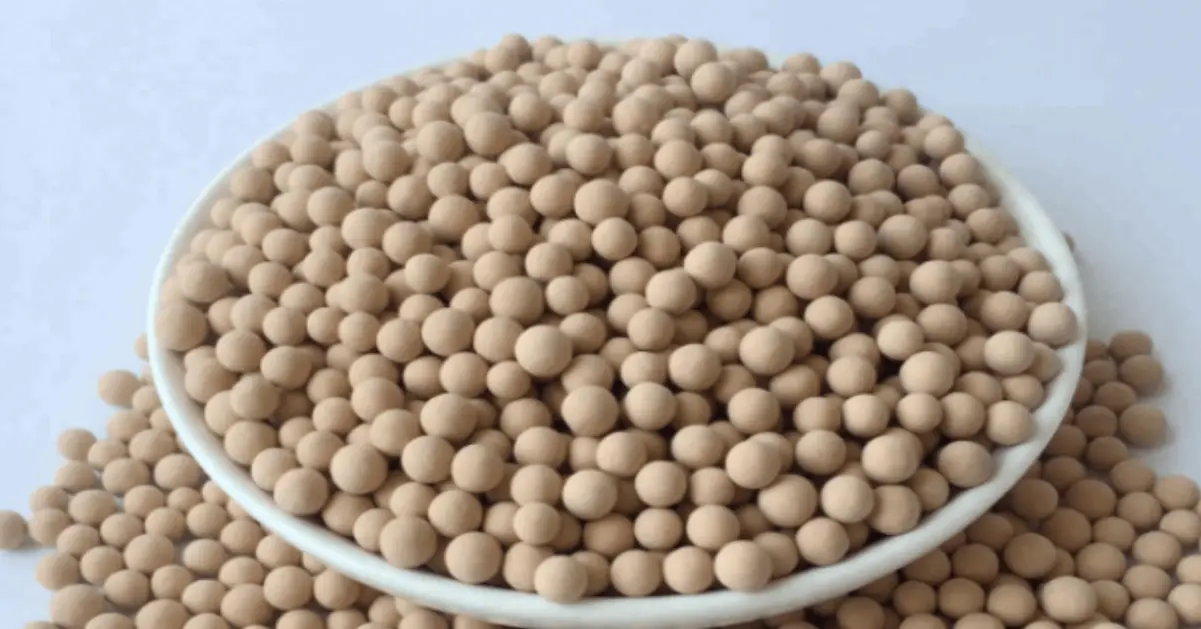
Methanol dehydration using molecular sieve technology provides an efficient adsorption based approach for removing water from methanol. Among different adsorbents, 3A molecular sieve is widely used for selective water removal because its pore structure allows water molecules to be adsorbed while limiting the adsorption of larger molecules.
For industries operating in the UAE, including chemical processing, petrochemicals, manufacturing, and biodiesel related applications, reliable methanol drying and recycling can help improve process efficiency and product quality.
What Is Methanol Dehydration?
Methanol dehydration is the process of reducing the water content of methanol to achieve the required level of dryness for a particular industrial application.
Methanol can absorb water during storage, transportation, processing, or chemical reactions. In processes where relatively dry methanol is required, this moisture needs to be removed before the methanol is reused or introduced into another process.
Traditional separation methods can require considerable energy, particularly when separating methanol and water because they form a challenging mixture for conventional distillation. Adsorption using a molecular sieve for methanol dehydration provides an alternative approach for selectively removing water.
In this process, the molecular sieve acts as a molecular sieve adsorbent, trapping water inside its pores while allowing methanol to pass through.
Why Use a Molecular Sieve for Methanol Dehydration?
A molecular sieve is a crystalline material with precisely controlled pores. These pores provide selective adsorption based on molecular size and affinity.
For methanol drying, the objective is to remove water without unnecessarily removing the methanol itself. A suitable molecular sieve can selectively adsorb water molecules from the methanol stream.
The main advantages include:
- High affinity for water
- Selective adsorption
- Low residual moisture levels when properly designed
- Regenerability
- Continuous operation using multiple adsorption beds
- Compatibility with industrial dehydration systems
- Potential for methanol recovery and reuse
This makes molecular sieve dehydration an attractive option when a process requires dry methanol and efficient water removal.
How to Dehydrate Methanol Using Molecular Sieve?
If you are wondering how to dehydrate methanol using molecular sieve, the process is based on adsorption rather than a chemical reaction. A typical industrial process follows several stages.
1. Wet Methanol Enters the Adsorption System
Water containing methanol is introduced into a vessel containing the selected molecular sieve. The feed may come from a production process, solvent recovery operation, or methanol recycling stream.
2. Water Is Adsorbed
As the methanol passes through the molecular sieve bed, water molecules enter the sieve’s pores and become adsorbed. The molecular sieve therefore functions as a selective moisture removal medium.
3. Dried Methanol Leaves the Bed
After passing through the adsorption bed, the methanol contains significantly less water and can be directed toward the next stage of the industrial process. The required moisture specification depends on the application and process design.
4. Molecular Sieve Regeneration
Over time, the molecular sieve becomes loaded with adsorbed water. Its adsorption capacity then decreases. The bed must be regenerated to remove the accumulated moisture. Industrial systems can use controlled heating, vacuum, purge gas, or combinations of these methods depending on the equipment and molecular sieve grade.
5. Adsorption and Regeneration Are Repeated
For continuous operation, industrial systems commonly use multiple vessels. While one bed is removing water, another can be undergoing regeneration. This creates a continuous methanol dehydration system rather than requiring the entire process to stop whenever the adsorbent becomes saturated.
Why 3A Molecular Sieve Is Used for Methanol Drying?
3A molecular sieve is one of the most commonly considered molecular sieve grades for applications requiring selective water adsorption. The designation “3A” refers to its approximate pore opening of 3 angstroms. This pore size provides an important molecular size exclusion effect. Water molecules are small enough to enter the pores and be adsorbed, while larger molecules are excluded or substantially less likely to enter.
This characteristic makes a 3A molecular sieve for methanol dehydration particularly useful where the objective is water removal from methanol rather than broad adsorption of the process liquid.
Methanol Dehydration Process Using Molecular Sieve
A typical methanol dehydration process using molecular sieve can be divided into adsorption and regeneration cycles.
Adsorption Cycle
During adsorption, wet methanol enters the molecular sieve bed. The adsorbent captures water from the stream, allowing dried methanol to exit the vessel. The adsorption cycle continues until the molecular sieve approaches its working capacity.
Regeneration Cycle
During regeneration, the saturated molecular sieve is treated under controlled conditions to remove the adsorbed water. The regeneration method depends on the system design. Thermal regeneration is commonly used for adsorbents because increasing temperature can release previously adsorbed moisture.
Cooling and Reuse
After regeneration, the molecular sieve bed is returned to suitable operating conditions before the next adsorption cycle begins. Multiple bed systems allow these operations to occur sequentially, helping maintain continuous production.
Methanol Dehydration System and Equipment
A commercial methanol dehydration system typically contains more than just the molecular sieve itself. Depending on the application, a system may include:
- Feed storage or collection equipment
- Filtration
- Molecular sieve adsorption vessels
- 3A molecular sieve adsorbent
- Valves and piping
- Heating equipment
- Cooling equipment
- Regeneration system
- Moisture monitoring instruments
- Product collection system
- Control system
The exact configuration depends on whether the process is designed for batch or continuous operation. For larger industrial facilities, automated switching between adsorption and regeneration beds can improve operational consistency.
Benefits of Molecular Sieve Dehydration
Using molecular sieve technology for methanol drying can provide several advantages for industrial operations.
1. Selective Water Removal
The molecular sieve can selectively adsorb water from methanol, making it suitable for applications where moisture needs to be controlled.
2. Reusable Adsorbent
Molecular sieves can generally be regenerated under appropriate conditions and reused over multiple cycles.
3. Improved Methanol Quality
Reducing unwanted moisture can help produce methanol that meets the requirements of downstream processes.
4. Supports Methanol Recycling
Instead of treating wet methanol as waste, industries can incorporate dehydration into a recovery process and return suitable quality methanol to production.
5. Continuous Processing
Multiple adsorption beds can be configured to alternate between adsorption and regeneration, supporting continuous operation.
6. Industrial Scalability
Molecular sieve systems can be designed for different flow rates and process requirements, from smaller operations to larger industrial facilities.
Applications of Methanol Dehydration in UAE
The UAE has a large and growing industrial and chemical processing ecosystem, particularly around major industrial hubs such as Abu Dhabi and Dubai.
Methanol dehydration technology can potentially support applications involving:
- Chemical manufacturing
- Petrochemical processing
- Solvent recovery
- Biodiesel production
- Methanol recycling
- Industrial chemical processing
- Specialty chemical manufacturing
- Process fluid drying
- Chemical storage and recovery operations
The UAE is also developing new methanol production capacity. In 2025, TA’ZIZ announced a major methanol plant project in Al Ruwais Industrial City, Abu Dhabi, highlighting the country’s expanding methanol and downstream chemicals ecosystem.
For companies operating in these environments, reliable dehydration and moisture control technologies can become increasingly important as production and chemical processing capacity expands.
Common Mistakes in Methanol Dehydration
Several factors can reduce molecular sieve performance.
Using the Wrong Molecular Sieve Grade
A molecular sieve selected without considering pore size and process chemistry may not deliver the expected results.
Excessive Feed Moisture
Very high water loading can rapidly exhaust the adsorption capacity of a bed.
Poor Regeneration
Incomplete regeneration leaves residual water in the molecular sieve and reduces capacity during the next adsorption cycle.
Incorrect Flow Rate
Excessive flow can reduce contact time between the methanol and adsorbent.
Poor System Design
Even a high quality molecular sieve can perform poorly if the adsorption vessels, valves, heating system, or operating parameters are improperly designed.
Frequently Asked Questions
What is methanol dehydration?
Methanol dehydration is the process of removing water from methanol to produce a drier methanol stream suitable for specific industrial applications.
What is the best molecular sieve for methanol dehydration?
3A molecular sieve is commonly used for selective water removal from methanol because of its pore characteristics. However, the appropriate grade should be confirmed based on the actual process conditions and required moisture specification.
How to remove water from methanol?
Water can be removed from methanol using several separation technologies. For selective adsorption, molecular sieve dehydration is a widely used approach.
How does a molecular sieve remove water from methanol?
The molecular sieve contains pores that preferentially adsorb water molecules. During contact with wet methanol, water enters and becomes retained within the adsorbent while the treated methanol passes through.
Can 3A molecular sieve be regenerated?
Yes. Under appropriate operating conditions, 3A molecular sieve can be regenerated to remove accumulated moisture and restore its adsorption capacity.
Can molecular sieves be used for methanol recycling?
Yes. A properly designed molecular sieve system for methanol recycling can be incorporated into a recovery process to reduce the water content of recovered methanol before reuse.
Conclusion
Methanol dehydration molecular sieve technology provides an efficient approach to controlling water content in methanol streams. By using a suitable adsorbent such as 3A molecular sieve, industries can selectively remove moisture and potentially integrate dehydration into methanol recovery and recycling operations.
For UAE industries, the technology has relevance across chemical processing, solvent recovery, biodiesel production, and other applications where dry methanol is required.
If you are looking for a molecular sieve supplier in UAE for methanol drying or another industrial dehydration application, selecting the correct grade and system design is essential for achieving reliable performance.
OozeChem supplies molecular sieve products for industrial adsorption and dehydration applications, including 3A molecular sieve. Contact the team to discuss the appropriate molecular sieve grade for your methanol dehydration requirements in the UAE and GCC.