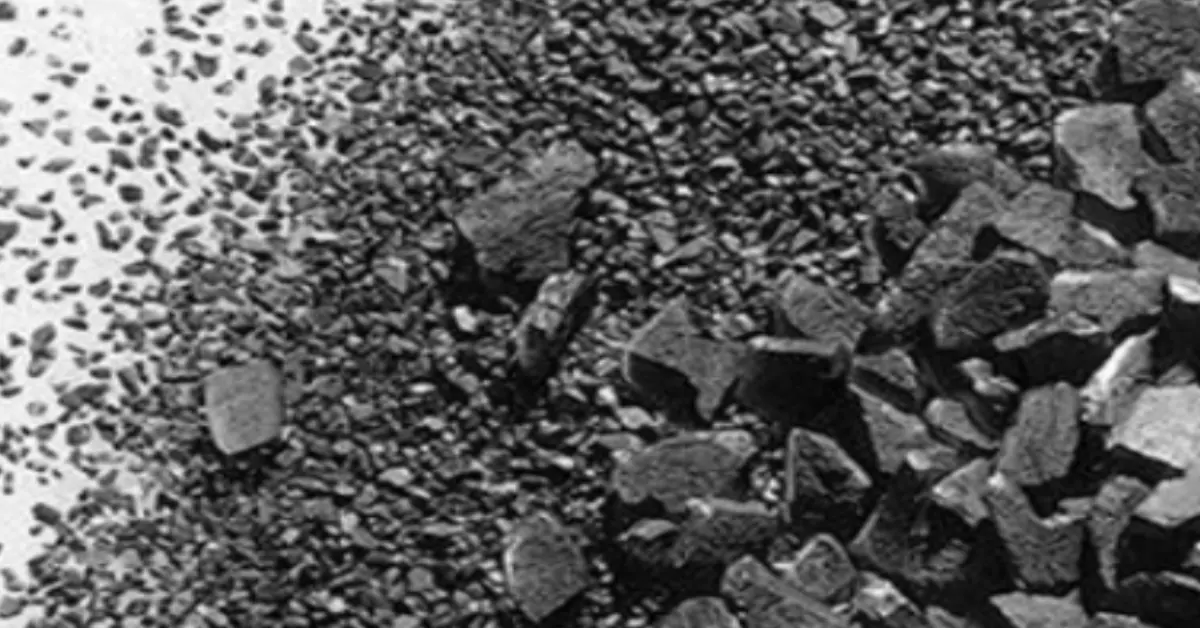
Impregnated activated carbon is a specialized adsorbent designed to remove contaminants that standard activated carbon may not effectively capture. During the activated carbon impregnation process, selected chemicals are added to the carbon’s porous structure, enhancing its ability to capture and chemically react with specific gases, vapors, and hazardous compounds.
Unlike conventional activated carbon, which mainly relies on physical adsorption, chemically impregnated activated carbon combines adsorption with chemical reactions. It is widely used for removing hydrogen sulfide, mercury, ammonia, acid gases, VOCs, and other industrial pollutants in gas purification, oil and gas, petrochemical, biogas, wastewater, pharmaceutical, and air purification applications.
How Does Activated Carbon Impregnation Work?
The process of activated carbon impregnation begins with premium activated carbon that has a highly developed pore structure. Carefully selected chemical compounds are then introduced into these pores under controlled manufacturing conditions.
Once contaminants enter the carbon bed, two filtration mechanisms occur simultaneously.
Physical Adsorption
The enormous internal surface area captures gas molecules through adsorption, making the carbon an effective activated carbon media for many organic compounds.
Chemical Reaction
The impregnated chemicals react directly with targeted contaminants. This process, known as chemisorption activated carbon, permanently converts harmful gases into stable compounds that remain trapped inside the carbon.
Because of this combined mechanism, impregnated carbon performs exceptionally well in applications involving toxic gases and corrosive compounds.
Types of Chemically Impregnated Activated Carbon
Different industrial processes require different impregnation chemicals. Choosing the correct grade ensures maximum efficiency and longer service life.
Potassium Iodide Impregnated Activated Carbon
Potassium iodide impregnated activated carbon is commonly used for mercury vapor removal and radioactive iodine control. It is widely installed in nuclear facilities, laboratories, and industrial exhaust systems.
Common Applications
- Mercury adsorption
- Radioactive gas filtration
- Hazardous gas control
- Clean room ventilation
Potassium Hydroxide Impregnated Activated Carbon
Potassium hydroxide impregnated activated carbon is highly effective for removing acidic gases including hydrogen sulfide and sulfur dioxide.
Industries commonly use this carbon for:
- Acid gas removal
- Industrial air filtration
- Chemical processing plants
- Wastewater treatment facilities
Silver Impregnated Activated Carbon
Silver impregnated activated carbon combines gas filtration with antimicrobial properties, making it suitable for pharmaceutical manufacturing, healthcare facilities, and specialized air purification systems.
Sulfur Impregnated Activated Carbon
Sulfur impregnated activated carbon is recognized for excellent activated carbon for mercury removal performance in power generation and industrial emission control.
Copper Impregnated Activated Carbon
Copper impregnated activated carbon offers outstanding performance for removing ammonia and sulfur compounds from industrial gas streams.
Types Based on Carbon Material
The performance of impregnated carbon also depends on its raw material.
Impregnated Coconut Shell Activated Carbon
Impregnated coconut shell activated carbon provides high hardness, low dust formation, and excellent microporosity. It is commonly selected for air purification and gas treatment applications.
Coal Based Impregnated Activated Carbon
Coal based impregnated activated carbon offers larger pore structures that support removal of larger organic molecules and industrial pollutants.
See more About Coconut vs Coal Based AC
Available Particle Forms
Impregnated activated carbon is available in multiple physical forms depending on the filtration system.
Granular Impregnated Activated Carbon
Granular impregnated activated carbon is widely used in fixed bed filters, odor control units, and industrial gas treatment systems.
Pelletized Impregnated Activated Carbon
Pelletized impregnated activated carbon offers higher mechanical strength and lower pressure drop, making it suitable for continuous industrial operations.
Benefits of Impregnated Activated Carbon
Industries choose high performance activated carbon because it provides several advantages over conventional activated carbon.
Superior Gas Removal
Its enhanced chemical properties allow effective removal of hydrogen sulfide, mercury vapor, ammonia, chlorine compounds, and acid gases.
Longer Operating Life
Chemical impregnation increases contaminant capacity, extending replacement intervals and lowering maintenance costs.
Improved Air Quality
The material is highly effective for activated carbon for air purification, helping industries comply with environmental regulations.
Excellent Odor Control
Many facilities rely on activated carbon for odor removal in wastewater plants, food processing facilities, and municipal treatment systems.
High Chemical Stability
Impregnated carbon performs reliably even in challenging industrial environments where standard activated carbon may become saturated quickly.
Industrial Applications of Impregnated Activated Carbon
Gas Purification
One of the largest applications is impregnated activated carbon for gas purification. It removes harmful gases before they enter production equipment or are released into the atmosphere.
Applications include:
- Natural gas purification
- Industrial gas treatment
- Petrochemical filtration
- Gas storage systems
Hydrogen Sulfide Removal
Hydrogen sulfide is highly corrosive and toxic. Activated carbon for H2S removal acts as an effective hydrogen sulfide removal media by converting H2S into stable sulfur compounds.
Industries using this solution include:
- Oil and gas
- Biogas plants
- Wastewater treatment
- Landfill gas processing
Companies seeking the best impregnated activated carbon for H2S removal typically choose potassium hydroxide or copper impregnated grades depending on operating conditions.
Mercury Removal
Mercury emissions present serious environmental and health
Industrial Air Purification
Industrial facilities generate numerous airborne pollutants that require efficient filtration.
Activated carbon for air purification is commonly installed in:ncerns. Activated carbon for mercury removal is widely used in power plants, refineries, and industrial boilers.
Applications include:
- Flue gas treatment
- Refinery gas treatment
- Coal fired power plants
- Hazardous waste incineration
Many facilities select impregnated activated carbon for mercury adsorption because it provides significantly higher removal efficiency than untreated carbon.
- Chemical plants
- Pharmaceutical manufacturing
- Semiconductor facilities
- Food processing industries
These systems improve indoor air quality while supporting regulatory compliance.
Odor Control Systems
Industrial odors often contain sulfur compounds, ammonia, and volatile organic compounds.
Activated carbon for odor removal serves as an excellent odor control carbon in:
- Wastewater treatment plants
- Pumping stations
- Compost facilities
- Food processing plants
- Municipal waste facilities
VOC Removal Systems
Volatile organic compounds contribute to air pollution and workplace hazards.
Activated carbon for VOC removal systems captures solvents, hydrocarbons, and organic vapors generated during manufacturing processes.
Industries include:
- Paint manufacturing
- Printing
- Chemical processing
- Automotive production
Biogas Purification
Biogas contains hydrogen sulfide and moisture that can damage engines and turbines.
Impregnated activated carbon for biogas plants removes contaminants before the gas enters power generation equipment.
Benefits include:
- Equipment protection
- Increased engine life
- Reduced corrosion
- Improved energy efficiency
Landfill Gas Treatment
Landfill gas often contains hydrogen sulfide, siloxanes, and volatile compounds.
Activated carbon for landfill gas purification provides reliable filtration before gas utilization or flaring.
Refinery Gas Treatment
Modern refineries depend on activated carbon for refinery gas purification to protect catalysts and downstream processing equipment.
Impregnated carbon removes sulfur compounds and other contaminants that affect production quality.
See More about Activated Carbon Applications
How to Choose the Right Impregnated Activated Carbon?
Selecting the correct industrial filtration media depends on several important factors.
Target Contaminant
Different chemicals require different impregnation agents.
Gas Concentration
Higher contaminant levels require greater adsorption capacity.
Humidity
Moisture levels influence adsorption efficiency.
Temperature
Operating temperatures affect chemical reaction rates.
Air Flow
System design determines contact time and overall performance.
Working with an experienced impregnated activated carbon manufacturer ensures the proper product is selected for your application.
Choosing an Impregnated Activated Carbon Supplier
When selecting an industrial activated carbon supplier, consider the following:
- Product quality certifications
- Manufacturing expertise
- Customized impregnation options
- Technical consultation
- Consistent inventory availability
- Bulk supply capability
- Export experience
- Competitive pricing
Whether you need bulk impregnated activated carbon, a reliable impregnated activated carbon distributor, or an activated carbon exporter, partnering with a trusted supplier ensures consistent filtration performance.
Conclusion
Impregnated activated carbon has become one of the most effective filtration materials for industrial gas treatment and environmental protection. By combining physical adsorption with chemical reactions, it removes contaminants that conventional activated carbon cannot efficiently capture.
From activated carbon for hydrogen sulfide removal and activated carbon for mercury removal to industrial air filtration, biogas purification, refinery gas treatment, and air pollution control, this advanced filtration media supports cleaner operations and improved process reliability across multiple industries.