
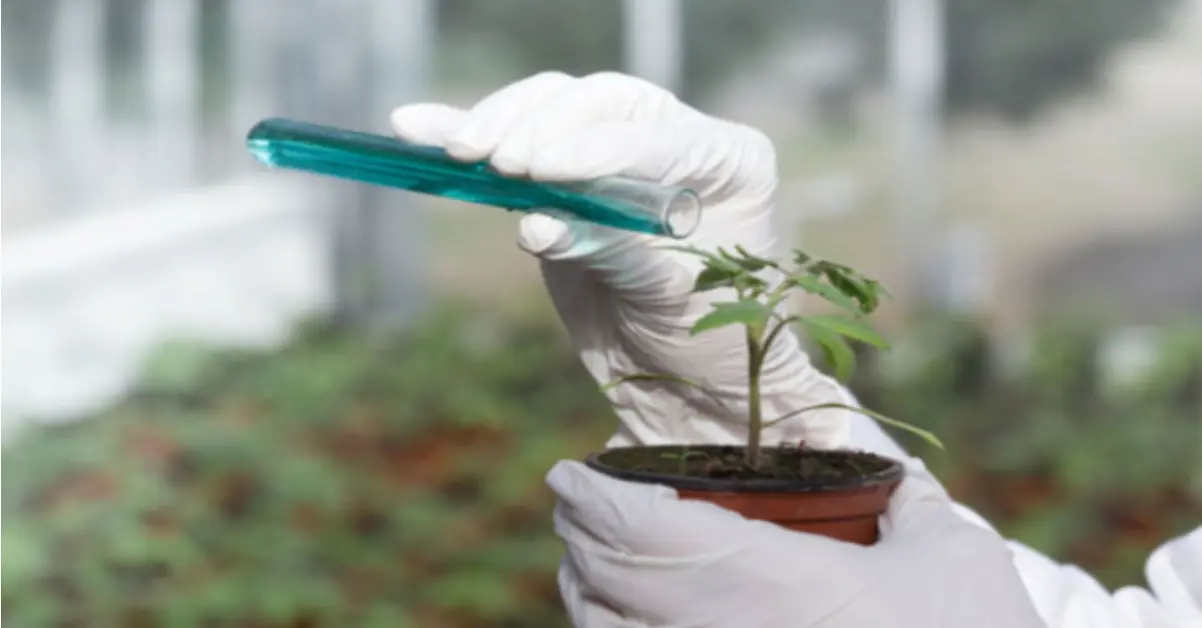
Best agricultural chemicals support modern farming at every stage, from soil preparation and crop protection to harvesting, storage, and post-harvest processing. Products such as fertilizers, herbicides, fungicides, soil treatment chemicals, and water treatment solutions help improve crop productivity, quality, and resource efficiency.
Agriculture in the UAE and GCC faces challenges including limited freshwater, high temperatures, soil salinity, and arid growing conditions. OozeChem supplies industrial and specialty chemical solutions for crop protection, soil remediation, water purification, feed preservation, and food packaging. This guide covers the major agricultural chemicals, their uses, applications, and benefits for modern farming operations.
Why Are Chemicals Important in Agriculture?
Agriculture depends on many biotic and abiotic factors which affect crop performance directly. Agricultural productivity is affected by soil fertility, pest pressure, water quality, plant nutrition and disease management.
The main role of agricultural chemicals and their functions are to:
- Improving the fertility of soil
- Improving plant nutrition
- Protection from crop pests
- Weed management
- Prevention of Fungal infections
- Higher quality of irrigation water
- Preservation of harvested products
- Encourage sustainable agricultural methods
Without the right crop protection solutions, farmers often experience much lower yields, lower crop quality and huge economic losses.
What Chemicals Are Used in Agriculture?
Most farmers wonder about the chemicals used in agriculture and how they help in crop production.
The main categories are:
- Fertilizers
- Herbicides
- Fungicids
- Insecticides.
- Plant Growth Regulators
- Soil Treatment Chemicals
- Water Treatment Chemical
- Postharvest Preservation Agents
Each category has a unique role to play in ensuring the healthy growth of crops and agricultural productivity.
What Chemicals Are Used in Agriculture?
| Chemical Type | Purpose | Example |
| Fertilizers | Plant Nutrition | Urea, DAP, NPK |
| Herbicides | Weed Control | Selective Herbicides |
| Fungicides | Disease Prevention | Copper Fungicides |
| Insecticides | Pest Control | Pyrethroids |
| Water Treatment Chemicals | Irrigation Water Quality | Calcium Hypochlorite |
| Soil Treatment Chemicals | Soil Improvement | Activated Carbon |
Fertilizers in Agriculture
Among the most widely used crop nutrition chemicals, fertilizers provide essential nutrients required for plant growth and development.
Nitrogen Fertilizers
Nitrogen fertilizer promotes:
- Leaf growth
- Chlorophyll production
- Plant vigor
Examples:
- Urea
- Ammonium Sulfate
- Ammonium Nitrate
Nitrogen remains one of the most important agricultural fertilizer chemicals used worldwide.
Phosphorus Fertilizers
Phosphorus fertilizer supports:
- Root development
- Flowering
- Seed production
Popular phosphorus fertilizers include:
- Monoammonium Phosphate (MAP)
- Diammonium Phosphate (DAP)
These products are essential for early plant establishment.
Potassium Fertilizers
Potassium fertilizer improves:
- Drought resistance
- Disease tolerance
- Crop quality
Potassium is particularly important in arid agricultural environments such as the UAE.
NPK Fertilizers
NPK fertilizers provide balanced nutrition through nitrogen, phosphorus and potassium combinations.
Benefits:
- Enhanced crop growth
- Improved yields
- Better nutrient efficiency
These are among the most commonly used plant nutrition solutions globally.
Crop Protection Chemicals
Crop protection remains one of the most important aspects of modern farming.
Herbicides in Agriculture
Herbicide chemicals are used for weed control and reducing competition for nutrients and water.
Benefits:
- Higher crop yields
- Reduced labor costs
- Improved farm productivity
Examples include selective and non-selective weed control chemicals.
Fungicides for Crops
Fungal diseases can severely impact agricultural production.
Agricultural fungicides help control:
- Powdery mildew
- Rust diseases
- Root rot
- Leaf spot infections
Modern fungicide chemicals contribute significantly to plant health and disease prevention.
Insecticides for Agriculture
Insect pests can damage crops and reduce harvest quality.
Insecticides for agriculture help manage:
- Aphids
- Caterpillars
- Beetles
- Whiteflies
These pest control chemicals for agriculture are essential for protecting crop investments.
Plant Growth Regulators
Plant growth regulators are specialized compounds that influence plant development.
Applications include:
- Fruit setting
- Root stimulation
- Flowering control
- Ripening management
These products help farmers optimize crop performance under varying environmental conditions
Soil Treatment Chemicals and Soil Improvement
Healthy soil is the foundation of productive agriculture.
Soil Conditioning Chemicals
Soil conditioning chemicals improve:
- Soil structure
- Water retention
- Nutrient availability
These solutions are particularly valuable in sandy and saline soils common across the UAE.
Soil Remediation with Activated Carbon
One increasingly important application is Activated Carbon for Soil Remediation.
Activated carbon helps:
- Reduce organic contaminants
- Improve soil quality
- Support land rehabilitation projects
- Minimize pollutant mobility
For agricultural sites affected by industrial contaminants or pesticide residues, activated carbon can contribute to safer and more productive growing conditions.
This makes activated carbon a valuable component of modern agricultural chemical solutions focused on sustainability.
Water Treatment Chemicals for Agriculture
Water quality directly affects crop performance and irrigation system efficiency.
Agricultural water often requires treatment to remove contaminants, odors and organic compounds.
Activated Alumina for Water Purification
Activated Alumina is widely used for:
- Fluoride removal
- Water purification
- Irrigation water treatment
Its high adsorption capacity supports improved water quality for agricultural operations.
Calcium Hypochlorite in Agriculture
Calcium Hypochlorite in Agriculture plays an important role in:
- Irrigation water disinfection
- Farm sanitation
- Pathogen control
- Agricultural water treatment
Benefits:
- Improved water hygiene
- Reduced microbial contamination
- Enhanced crop protection
This makes it one of the most practical soil treatment chemicals and water sanitation solutions used by agricultural facilities.
Agricultural Chemicals for Livestock and Feed Preservation
Agricultural Chemicals for Livestock and Feed Preservation
Agriculture extends beyond crop production and includes animal nutrition and feed management.
Sodium Benzoate in Animal Feed and Silage
Sodium Benzoate is commonly used in:
- Animal feed preservation
- Silage stabilization
- Mold prevention
- Feed quality improvement
Benefits:
- Extended storage life
- Reduced spoilage losses
- Better feed quality
This application supports modern livestock farming and contributes to overall agricultural efficiency.
Post Harvest Protection and Food Storage
Reducing post harvest losses is a major challenge in agricultural supply chains.
Silica Gel for Food Packaging and Manufacturing
Silica Gel helps protect harvested agricultural products by controlling moisture during storage and transportation.
Applications:
- Food packaging
- Seed storage
- Grain preservation
- Agricultural product packaging
Benefits:
- Moisture control
- Reduced spoilage
- Extended shelf life
As agricultural products move through the supply chain, silica gel supports quality preservation and food safety.
Renewable Energy and Agricultural Sustainability
Many agricultural operations now produce renewable energy through anaerobic digestion and biogas systems.
Carbon Molecular Sieve (CMS) is used in:
Carbon Molecular Sieve for Biogas Purification
- Biogas purification
- Gas separation
- Renewable energy systems
Benefits:
- Improved methane concentration
- Better energy efficiency
- Sustainable farm operations
This technology supports agricultural facilities seeking cleaner energy solutions while reducing environmental impact.
Importance of Chemicals in Agriculture
The overall importance of chemicals in agriculture can be seen through their contribution to:
- Higher crop yields
- Better food quality
- Improved soil health
- Water conservation
- Disease prevention
- Pest management
- Sustainable farming
When used responsibly, modern agricultural chemicals for sustainable farming help farmers achieve both productivity and environmental goals.
Agricultural Chemical Suppliers in UAE
The UAE agricultural sector requires reliable sourcing of high quality chemicals suitable for challenging environmental conditions.
When selecting an agricultural chemicals supplier or agricultural chemical distributors, businesses should consider:
- Product quality
- Technical expertise
- Regulatory compliance
- Consistent supply chain
- Industry experience
OOZECHEM supports agricultural and industrial customers across the UAE with a diverse portfolio of specialty chemicals and adsorption solutions.
Frequently Asked Questions
What chemicals are used in agriculture?
The most common agricultural chemicals include fertilizers, herbicides, fungicides, insecticides, plant growth regulators, soil treatment chemicals and water treatment chemicals.
Why are agricultural chemicals important?
Agricultural chemicals help improve crop yields, protect plants from pests and diseases, enhance soil fertility and support sustainable food production.
What are crop protection chemicals?
Crop protection chemicals include herbicides, fungicides and insecticides that help safeguard crops against weeds, diseases and insect damage.
How do water treatment chemicals help agriculture?
Water treatment chemicals improve irrigation water quality, reduce microbial contamination and help maintain healthy crop growth.
Conclusion
The use of chemicals used in modern farming remains essential for maintaining crop productivity, improving food quality and supporting sustainable agricultural development. From fertilizers and pesticides used in agriculture to advanced solutions for water treatment, feed preservation, soil remediation and biogas purification, agricultural chemicals contribute to every stage of the farming cycle.
For businesses seeking reliable agricultural chemical suppliers in the UAE, OOZECHEM offers a range of specialized products that support modern agricultural operations. By combining quality products with technical expertise, OOZECHEM helps agricultural businesses improve efficiency, productivity and sustainability in an increasingly demanding industry.