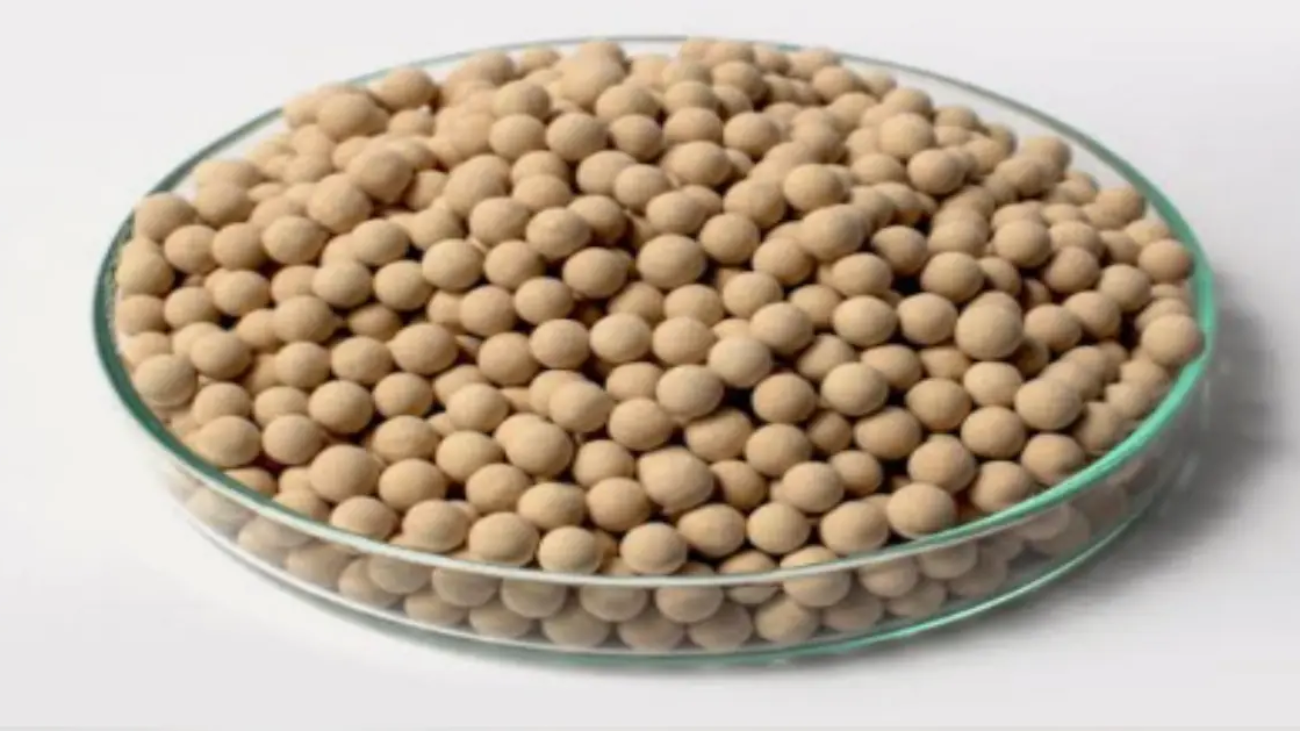
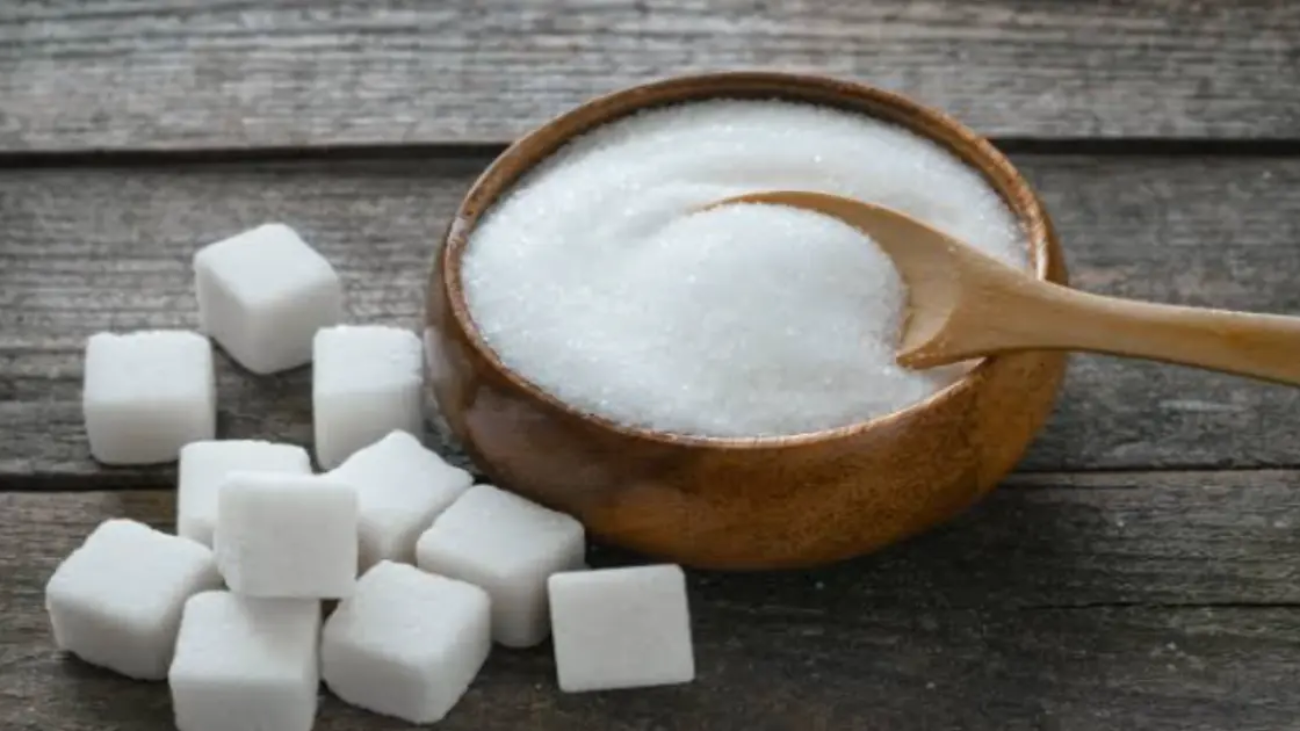
Activated Carbon for Sugar Refining is widely used in sugar processing to reduce unwanted color, organic impurities, odors, and other compounds from sugar liquor and syrup. Its highly porous structure provides a large surface area for adsorption, making it an effective material for decolorization and purification when the appropriate grade and operating conditions are selected. Activated carbon can be used at different stages of sugar processing, including sugar liquor treatment, syrup decolorization, purification, and polishing before crystallization. Both powdered activated carbon (PAC) and granular activated carbon (GAC) may be suitable depending on the refinery’s process design and treatment requirements.
This guide explains how activated carbon is used in sugar refining, how it removes color from sugar syrup, the difference between PAC and GAC, key carbon selection factors, and considerations for sourcing activated carbon in the UAE and GCC.
Why Is Activated Carbon Used in Sugar Refining?
The sugar refining process involves removing substances that affect the color, clarity, purity, and quality of the final product. Raw sugar and sugar liquor can contain color forming compounds, organic impurities, minerals, and other unwanted substances.
Sugar refining activated carbon works primarily through adsorption. When sugar liquor comes into contact with activated carbon, suitable color compounds and organic impurities attach to the carbon’s porous surface. This makes activated carbon useful for sugar purification and decolorization. The treatment can also support odor removal and the reduction of selected unwanted organic compounds. Performance depends on the carbon grade, pore structure, characteristics of the sugar liquor, dosage, temperature, contact time, and treatment configuration.
How Does Activated Carbon Remove Color from Sugar?
The effectiveness of activated carbon for sugar decolorization comes from its extensive internal pore structure and high surface area.
When sugar syrup or liquor contacts activated carbon, suitable color forming compounds and other adsorbable organic substances migrate from the liquid to the carbon surface. The treated liquor can then be separated from the carbon through filtration or by passing it through a fixed carbon bed.
This activated carbon adsorption process does not chemically change the sugar itself. Instead, it targets compounds that contribute to unwanted color and other quality concerns. The actual level of color removal depends on the properties of the carbon and the sugar solution, so carbon selection and process optimization are important for consistent results.
Activated Carbon for Sugar Decolorization
One of the most important uses of activated carbon in sugar processing is sugar syrup decolorization. Color bodies may remain in raw sugar or form during processing. If they are not adequately reduced, they can affect the appearance and quality of the final refined sugar. Activated carbon for sugar decolorization adsorbs suitable color forming compounds from sugar liquor or syrup. This can reduce unwanted coloration and support the production of lighter colored refined sugar.
Important factors affecting decolorization performance include:
- Activated carbon grade and adsorption capacity
- Pore structure
- Carbon dosage
- Sugar liquor characteristics
- Temperature
- Contact time
- Mixing or column conditions
- Filtration efficiency
- Required color reduction
Optimizing these conditions helps achieve the desired decolorization while controlling carbon consumption and operating costs.
Sugar Decolorization Process
The sugar decolorization process generally involves contacting sugar liquor with an appropriate adsorbent and then separating the adsorbent from the treated solution. A simplified process may include:
Sugar liquor → Activated carbon contact → Adsorption → Filtration/separation → Treated liquor → Further processing
In systems using powdered activated carbon, the carbon may be added directly to the sugar solution and mixed for a defined period. The carbon is then removed through suitable filtration. With granular activated carbon, the sugar solution can pass through a fixed bed or column containing the carbon. This configuration can be suitable for continuous treatment systems.
The actual process varies according to refinery design, sugar liquor characteristics, required color reduction, filtration equipment, and operating conditions.
Activated Carbon for Sugar Syrup Purification
Activated carbon for sugar syrup applications can extend beyond color removal. The carbon may also adsorb selected organic compounds and unwanted substances that affect syrup quality. Sugar syrup purification using activated carbon generally involves controlled contact between the syrup and carbon, followed by separation of the adsorbent.
Treatment conditions should be carefully controlled. Excessive carbon dosage can increase material consumption, while insufficient contact or an unsuitable carbon grade may reduce treatment performance. For this reason, carbon selection should be based on the characteristics of the syrup and the refinery’s specific purification objectives.
PAC vs GAC for Sugar Refining
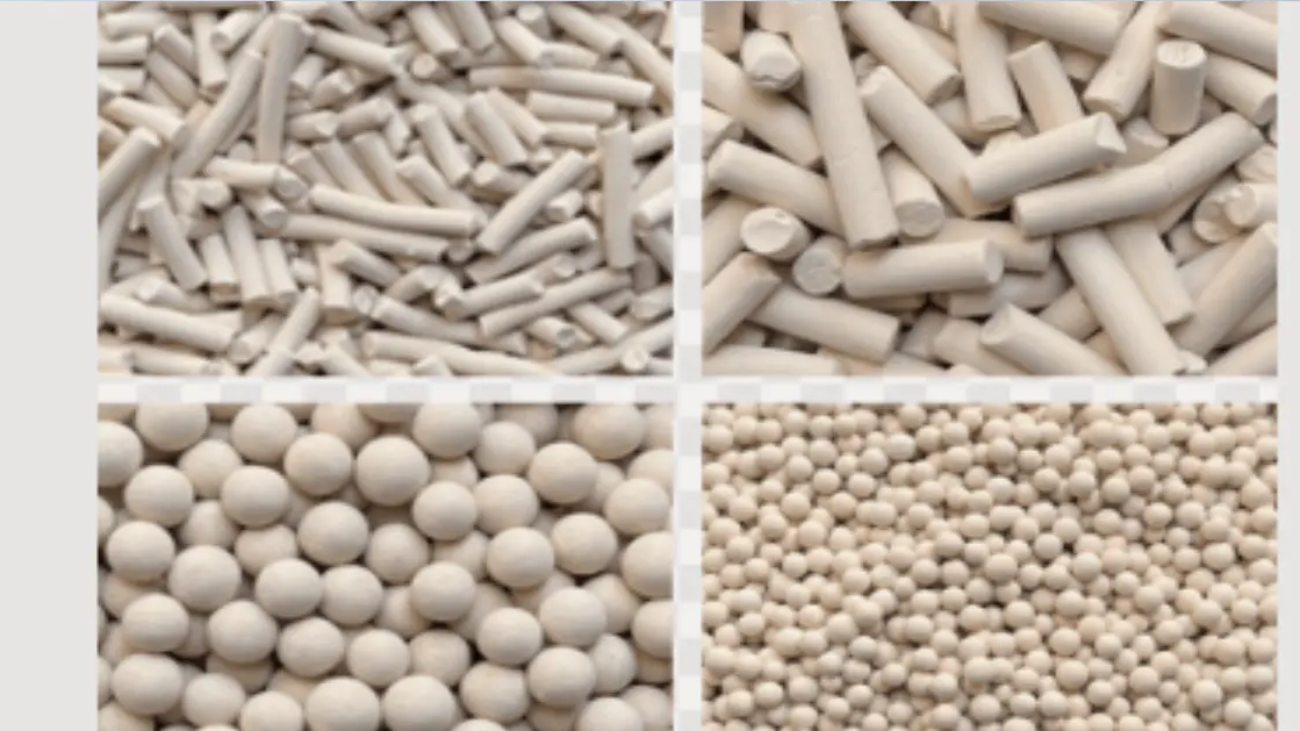
Both powdered activated carbon (PAC) and granular activated carbon (GAC) can be used in sugar processing, but their physical form and operating methods are different.
| Factor | PAC | GAC |
| Physical form | Fine powder | Larger granules |
| Contact method | Direct mixing with syrup/liquor | Fixed bed or column |
| Separation | Requires filtration after treatment | Retained within the treatment bed |
| Typical operation | Batch or direct dosing | Continuous or fixed bed operation |
| Main consideration | Filtration and carbon handling | Bed design and operating conditions |
How to Choose Activated Carbon for Sugar Refining?
Knowing how to select activated carbon for sugar refining is essential for achieving consistent decolorization and purification performance. There is no single carbon specification that is automatically suitable for every sugar refinery.
Adsorption Capacity
The adsorption capacity of activated carbon indicates its ability to capture target compounds. The appropriate grade should be selected according to the type and concentration of impurities present in the sugar liquor.
Pore Structure
Activated carbon contains pores of different sizes. Micropores, mesopores, and macropores contribute differently to adsorption.
Mesoporous activated carbon may be considered where the target compounds are relatively larger, while the overall pore distribution should be evaluated alongside other product characteristics.
Iodine Number and Methylene Blue Value
The iodine number is commonly used as an indicator associated with adsorption of smaller molecules, while the methylene blue value provides information related to adsorption of larger molecules.
These parameters can help compare activated carbon grades, but neither should be used alone to determine suitability for sugar refining.
Carbon Dosage
Activated carbon dosage for sugar decolorization depends on the concentration and nature of color bodies, carbon performance, sugar liquor characteristics, contact conditions, and the required level of color reduction.
Optimizing dosage can help balance treatment performance with carbon consumption.
Temperature
Temperature can influence adsorption behavior and treatment performance. The appropriate operating temperature should therefore be established according to the selected carbon and the refinery’s process conditions.
Ash Content
Ash content is another specification that may be considered when evaluating activated carbon for food processing. The acceptable level depends on the application and product requirements, so the supplier’s technical specifications and relevant documentation should be reviewed.
Food Grade Requirements
For food processing applications, food grade activated carbon for sugar should be selected according to the intended application and applicable food safety and quality requirements.
Product specifications, certificates, and compliance documentation should be reviewed before introducing a carbon grade into a sugar processing system.
ICUMSA Color
ICUMSA color is an important parameter used to characterize the color of sugar solutions. It provides a way to evaluate color levels and assess the performance of decolorization treatment.
Activated carbon treatment can be optimized according to the required color reduction and the quality specifications of the finished sugar product.
Applications of Activated Carbon in the Sugar Industry
Activated carbon for sugar processing can be used in several applications where adsorption, color reduction, and purification are required.
Common applications include:
- Sugar syrup decolorization
- Sugar liquor treatment
- Sugar solution purification
- Color body removal
- Organic impurity removal
- Odor reduction
- Syrup polishing
- Clarification support
- Treatment before crystallization
- Refined sugar production
The appropriate application and treatment method depend on the raw material, processing stage, refinery configuration, and required product quality.
Activated Carbon for Cane and Beet Sugar Refining
Activated Carbon for Cane Sugar Refining
Activated carbon for cane sugar refining can be used to treat sugar liquor obtained from sugarcane processing.
Cane sugar streams may contain color forming compounds and organic substances that need to be reduced during refining. Activated carbon can be incorporated into suitable decolorization and purification systems to improve the color and quality of the treated liquor.
Activated Carbon for Beet Sugar Refining
Activated carbon for beet sugar refining is another application where adsorption can be used to reduce unwanted color and selected organic compounds.
As with cane sugar processing, carbon selection should consider the characteristics of the sugar liquor, target impurities, required color reduction, and treatment configuration.
Activated Carbon for Sugar Refining in UAE
Sugar processing and food manufacturing operations across the UAE and GCC require reliable purification and filtration materials for different stages of production. Businesses sourcing activated carbon for sugar refining in UAE should consider product consistency, food grade suitability, adsorption performance, particle size, packaging, documentation, and supply reliability. For larger operations, consistent bulk availability and technical support can also be important when selecting an activated carbon supplier.
OozeChem supplies activated carbon for industrial and food processing applications, supporting businesses across the UAE and Gulf markets with adsorption materials for different purification and decolorization requirements.
For sugar refineries in the UAE and GCC, working with a supplier that understands application specific carbon requirements can simplify product selection and ongoing procurement.
Frequently Asked Questions
How is activated carbon used in sugar refining?
Activated carbon is used to adsorb suitable color bodies, organic impurities, odors, and other unwanted compounds from sugar liquor and syrup. It can support decolorization, purification, and polishing before later processing stages.
What is the best activated carbon for sugar refining?
There is no single activated carbon grade that is suitable for every sugar refinery. Selection depends on the target impurities, required color reduction, pore structure, adsorption performance, dosage, contact time, and treatment system.
How does activated carbon remove color from sugar?
Activated carbon removes suitable color forming compounds through adsorption. Its porous structure provides a large internal surface where target compounds can be retained.
What type of activated carbon is used for sugar decolorization?
Both PAC and GAC may be used for sugar decolorization, depending on the refinery’s treatment configuration. PAC is commonly suited to direct mixing and subsequent filtration, while GAC can be used in fixed bed or column systems.
What is the difference between PAC and GAC in sugar refining?
PAC has a fine particle size and can be mixed directly with sugar syrup before filtration. GAC consists of larger particles and is commonly used in fixed bed or column systems. The appropriate option depends on the process design and operating requirements.
Can activated carbon be used for sugar syrup decolorization?
Yes. Activated carbon can be used for sugar syrup decolorization to reduce suitable color bodies and organic compounds, helping improve the appearance and quality of treated syrup.
How do I select food grade activated carbon for sugar refining?
Consider the carbon’s food processing suitability, adsorption characteristics, pore structure, particle size, ash content, moisture, dosage requirements, and available quality documentation. Selection should also account for the refinery’s specific treatment conditions.
Conclusion
Activated Carbon for Sugar Refining is an important adsorption material for sugar decolorization, syrup purification, and selected impurity removal. Its porous structure allows suitable color forming compounds and organic substances to be adsorbed from sugar liquor and syrup.
Both powdered activated carbon for sugar decolorization and granular activated carbon for sugar refining can be used, depending on the refinery’s treatment configuration. Carbon grade, pore structure, adsorption capacity, dosage, contact time, temperature, filtration, and ICUMSA color are among the factors that should be considered when developing an effective treatment process.