
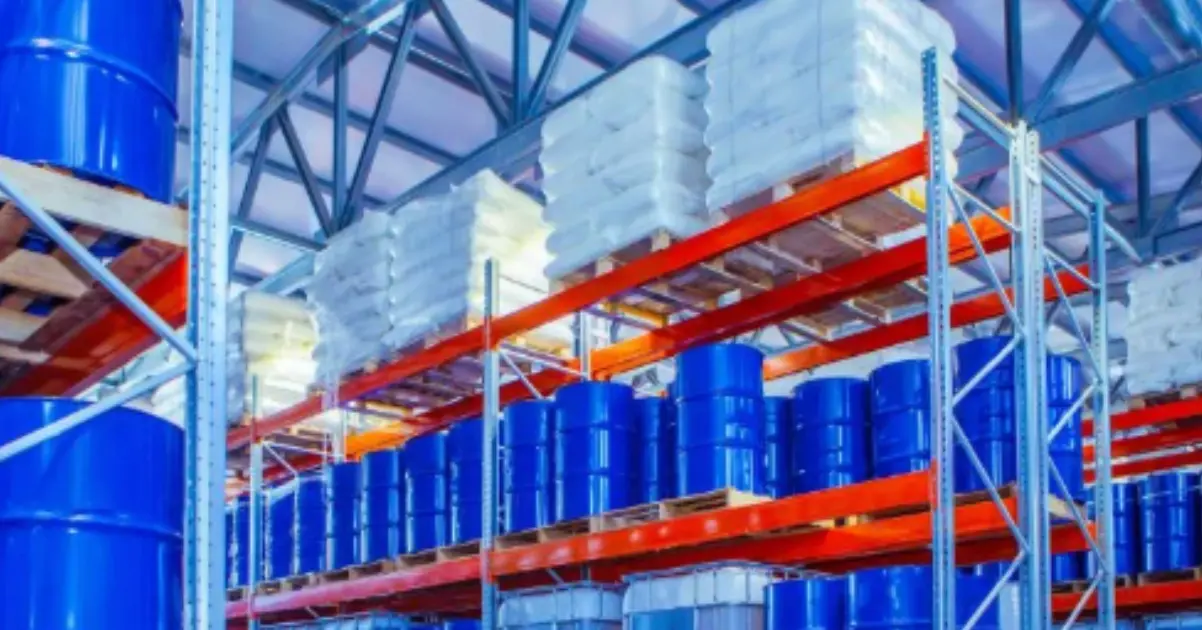
Chemical packaging plays an important role in the safe storage, handling, transportation, and distribution of industrial and specialty chemicals. Choosing the right type of chemical package depends on several factors, including the chemical’s physical properties, concentration, compatibility with packaging materials, quantity, storage conditions, and transportation requirements.
From chemical drums and jerrycans to IBC containers, bottles, bags, and bulk packaging, different types of chemical packaging are designed for different applications. Corrosive, flammable, reactive, powdered, and liquid chemicals may require specific packaging solutions to minimize leakage, contamination, damage, and exposure.
What Is Chemical Packaging?
Chemical packaging refers to the containers, materials, and systems used to store, protect, handle, and transport chemicals. The packaging must be compatible with the chemical it contains and should provide adequate protection against leakage, contamination, moisture, physical damage, and environmental conditions.
Depending on the product, chemical packaging can include:
- Drums
- Jerrycans
- Bottles
- Cans
- Pails
- IBC containers
- FIBC bags
- Flexitanks
- Gas cylinders
- Bulk containers
The appropriate packaging depends on whether the chemical is supplied as a liquid, powder, granule, gas, or another physical form.
Why Is the Right Chemical Packaging Important?
Selecting the correct packaging is an important part of chemical handling and supply chain management. Poor packaging can increase the risk of leakage, contamination, product deterioration, or transportation problems. Proper chemical packaging can help provide:
1. Chemical Compatibility
Packaging materials must be compatible with the chemical being stored. Certain chemicals can react with unsuitable plastics, metals, or other materials.
2. Leak and Spill Prevention
Secure containers and appropriate closures can reduce the risk of leaks and spills during storage and transportation.
3. Product Protection
Some chemicals can be affected by moisture, heat, light, oxygen, or contamination. Suitable packaging helps protect product quality.
4. Safer Transportation
Chemical containers should be selected according to the product’s characteristics and applicable transportation requirements.
5. Easier Handling
Packaging such as drums, jerrycans, and IBCs can make industrial chemicals easier to move, store, and dispense.
What Are the Different Types of Chemical Packaging?
There are several types of chemical packaging, ranging from small containers for laboratory and specialty chemicals to large bulk systems for industrial chemicals.
The most common categories include rigid packaging, flexible packaging, and specialized packaging.
1. Chemical Drums
Chemical drums are one of the most widely used forms of industrial chemical packaging. They are available in different sizes and can be manufactured from materials such as plastic or metal, depending on the chemical and application.
Drums are commonly used for liquid chemicals and can provide a practical solution for medium to large quantities.
Common applications of chemical drums include:
- Industrial chemicals
- Cleaning chemicals
- Water treatment chemicals
- Solvents
- Chemical intermediates
- Liquid additives
The drum material should always be compatible with the chemical being stored.
2. Plastic Chemical Drums
Plastic drums are commonly used for chemicals that require corrosion resistant packaging.
High density polyethylene (HDPE) is frequently used for many chemical containers because of its chemical resistance and durability.
Plastic drums can be useful for storing and transporting a range of:
- Acids
- Alkalis
- Liquid chemicals
- Water treatment chemicals
- Industrial additives
However, not every chemical is compatible with every plastic. Compatibility should be confirmed before selecting a container.
3. Metal Chemical Drums
Metal drums can be used for certain chemicals and industrial products where metal packaging is compatible with the material being stored.
They can offer durability during handling and transportation.
However, corrosive chemicals such as strong acids may require specially selected materials or corrosion resistant packaging rather than standard metal containers.
4. Chemical Jerrycans
Jerrycans are smaller containers commonly used for liquid chemical products. They are particularly practical when chemicals need to be supplied in quantities smaller than a typical industrial drum. Chemical jerrycans may be available in different capacities and materials depending on the product.
They can be used for:
- Liquid chemicals
- Cleaning agents
- Laboratory chemicals
- Water treatment chemicals
- Specialty chemicals
Their handles can also make them easier to transport and pour compared with larger containers.
5. Chemical Bottles
Chemical bottles are commonly used for smaller quantities of laboratory, specialty, and industrial chemicals. They can be manufactured from materials such as plastic or glass, depending on chemical compatibility and application requirements.
Chemical bottles are particularly useful where accurate dispensing and smaller quantities are required. The bottle and closure should be selected according to the chemical’s properties.
6. Chemical Cans and Pails
Cans and pails are another type of chemical package used for selected liquid, powder, and semi solid products.
They are useful where smaller quantities are required and can be easier to handle than large drums or bulk containers. Depending on the product, pails may be used for:
- Chemical additives
- Coatings
- Cleaning chemicals
- Industrial compounds
- Specialty formulations
As with other chemical containers, the packaging material must be compatible with the contents.
7. IBC Containers
Intermediate Bulk Containers, commonly called IBC containers, are designed for transporting and storing larger quantities of liquids and some other materials.
An IBC can hold significantly more material than a standard bottle, jerrycan, or pail while generally requiring less space than multiple smaller containers.
IBC containers are commonly used for:
- Industrial chemicals
- Water treatment chemicals
- Liquid additives
- Chemical solutions
- Manufacturing ingredients
They are particularly useful for businesses purchasing chemicals in bulk.
Why Use IBC Containers?
Some advantages include:
- Efficient bulk storage
- Easier material handling
- Reduced number of individual containers
- Convenient transportation
- Efficient use of warehouse space
The IBC design and liner or container material should be suitable for the chemical being stored.
8. FIBC Bags for Chemical Powders
Flexible Intermediate Bulk Containers, commonly known as FIBC bags or bulk bags, are widely used for transporting and storing dry bulk materials. They can be suitable for certain powdered and granular chemicals.
Examples can include:
- Chemical powders
- Mineral products
- Granular materials
- Industrial additives
- Certain fertilizers
FIBC bags can provide an efficient bulk packaging solution where the chemical’s physical characteristics are compatible with flexible packaging.
9. Flexitanks for Liquid Chemicals
Flexitanks are flexible containers designed to transport certain non hazardous liquid products in bulk. They are typically installed inside standard shipping containers and can provide an alternative to rigid liquid containers for suitable products.
Before using a flexitank, the chemical must be assessed for compatibility with the tank material and transportation requirements. This makes flexitanks for chemicals a specialized packaging solution rather than a universal option for all chemical products.
10. Gas Cylinders
Gases require specialized packaging because they may be stored under pressure. Gas cylinders are designed to contain compressed or liquefied gases under controlled conditions. The cylinder material, valve, pressure rating, and handling requirements depend on the specific gas.
Examples of gases supplied in cylinders can include:
- Industrial gases
- Laboratory gases
- Specialty gases
- Calibration gases
Gas cylinders require appropriate storage, transportation, and handling procedures.
Rigid vs Flexible Chemical Packaging
Chemical packaging can broadly be divided into rigid and flexible packaging.
| Packaging Type | Examples | Common Applications |
| Rigid packaging | Drums, bottles, jerrycans, pails | Liquid and specialty chemicals |
| Bulk rigid packaging | IBC containers | Bulk liquid chemicals |
| Flexible packaging | FIBC bags | Powders and granular chemicals |
| Flexible liquid packaging | Flexitanks | Suitable bulk liquids |
| Specialized packaging | Gas cylinders, aerosol containers | Pressurized products |
The right choice depends on the chemical’s physical and chemical characteristics rather than simply the container size.
How to Choose the Right Type of Chemical Package
Selecting the appropriate type of chemical package requires consideration of several factors.
1. Chemical Compatibility
The first consideration is whether the packaging material is compatible with the chemical.
Acids, alkalis, solvents, oxidizers, and other chemicals can interact differently with packaging materials.
For example, a container suitable for one chemical may not be suitable for another.
2. Physical Form
Determine whether the chemical is:
- Liquid
- Powder
- Granular
- Gas
- Paste
- Suspension
The physical form strongly influences the most suitable packaging type.
3. Chemical Concentration
Concentration can affect the compatibility and durability requirements of packaging.
Highly concentrated chemicals may require packaging with greater chemical resistance than diluted solutions.
4. Quantity
The quantity being purchased also affects the packaging choice.
Small quantities may be suitable for bottles or jerrycans, while larger quantities may be better suited to drums or IBC containers.
5. Storage Conditions
Consider whether the chemical will be exposed to:
- Heat
- Moisture
- Sunlight
- Humidity
- Pressure
- Temperature fluctuations
Packaging should provide appropriate protection under the intended storage conditions.
Chemical Packaging for Hazardous Chemicals
Hazardous chemicals for packaging require particular attention to packaging, labeling, handling, and transportation.
Depending on the chemical classification, packaging may need to provide appropriate containment and resistance to leakage or damage.
Important considerations include:
- Chemical compatibility
- Container integrity
- Secure closures
- Correct labeling
- Appropriate storage
- Transportation requirements
- Spill prevention
- Worker safety
For regulated hazardous materials, businesses should follow the applicable local and international requirements for packaging and transportation.
Chemical Packaging and Storage in the UAE
Businesses operating in the UAE often source chemicals for industries such as water treatment, manufacturing, oil and gas, construction, agriculture, food processing, and pharmaceuticals.
Choosing suitable chemical packaging in UAE is particularly important when chemicals must be transported across industrial facilities, warehouses, ports, or different GCC markets.
When purchasing chemicals, businesses should consider:
- Product specifications
- Packaging size
- Chemical compatibility
- Storage conditions
- Transportation requirements
- Required documentation
- Quantity
- Shelf life considerations
For bulk chemical requirements, drums and IBC containers may provide practical solutions, while smaller packaging formats can be appropriate for specialty or laboratory chemicals.
Chemical Packaging for Different Chemical Products
Different products may require different packaging approaches.
| Chemical/Product Type | Possible Packaging |
| Liquid chemicals | Drums, jerrycans, IBCs |
| Chemical powders | Bags, FIBC bags, drums |
| Granular chemicals | Bags, drums, FIBC bags |
| Specialty chemicals | Bottles, cans, drums |
| Bulk liquid chemicals | IBCs, drums, suitable bulk systems |
| Compressed gases | Gas cylinders |
| Selected aerosol products | Aerosol containers |
The actual packaging should always be selected based on the chemical’s properties and applicable safety requirements.
Common Mistakes When Choosing Chemical Packaging
Choosing packaging based only on price or container size can create unnecessary risks.
Some common mistakes include:
Using an incompatible material
A container may look suitable but react with the chemical over time.
Ignoring concentration
The packaging requirements can change depending on chemical concentration.
Choosing the wrong size
Using unnecessarily large containers can make handling difficult, while very small containers may increase packaging and handling costs.
Ignoring transportation requirements
Packaging suitable for warehouse storage may not automatically meet requirements for transportation.
Poor labeling
Chemical containers should have appropriate product identification and safety information according to applicable requirements.
Conclusion
Understanding the different types of chemical packaging is essential for safely storing, transporting, and handling industrial and specialty chemicals.
For businesses sourcing chemicals in the UAE and GCC, selecting the right chemical packaging solution alongside the correct chemical grade can help protect product quality, improve handling, and support safer chemical operations. OozeChem provides industrial and specialty chemical supply solutions for businesses across the UAE and GCC, with packaging requirements considered according to the specific product and application.