
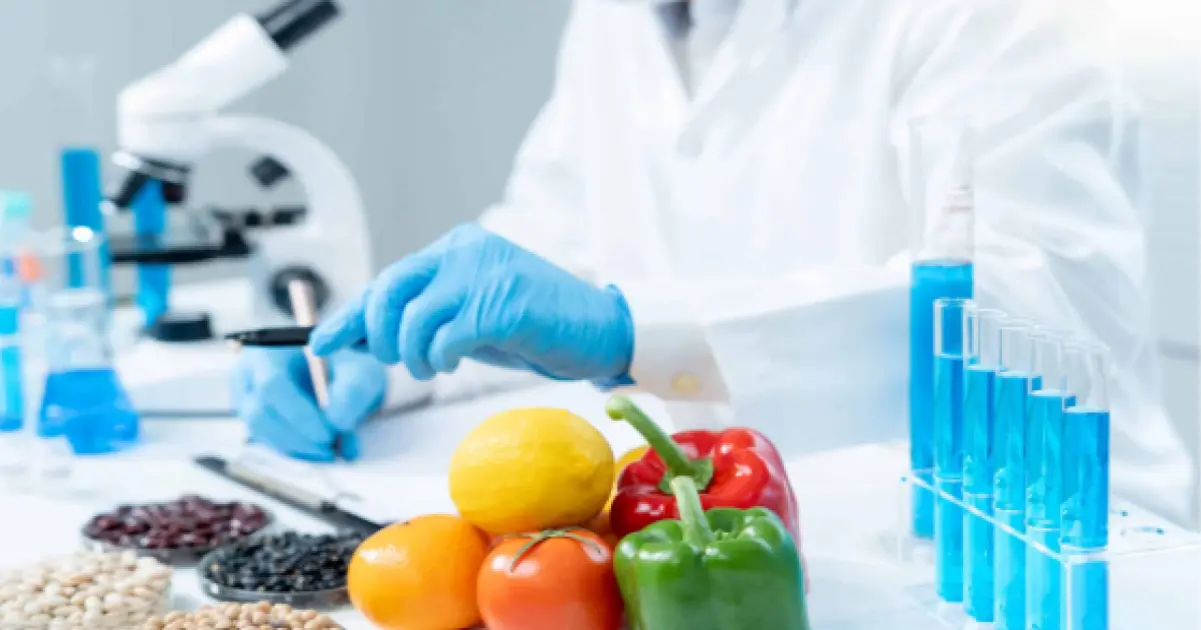
The modern food business depends on speciality chemicals to assure food safety, improve quality, lengthen shelf life, enhance flavour and uniformity of the product. Chemicals are essential in all stages of food production – from preserving beverages and regulating the moisture content in packaged meals, to processing water purification and hygiene compliance. These chemicals are strictly controlled and used in limited quantities to help food processing activities and comply with food safety regulations.
In this tutorial we will look into the most common chemicals used in the food industry, their functions, benefits and uses in modern food processing.
What Are Food Processing Chemicals?
Food processing chemicals are the chemicals used in the manufacture, preservation, packing and storage of food items. They increase product quality, shelf life, freshness, taste and prevent contamination. These chemicals may be applied directly to food products as additives or may be used indirectly in processing, sanitation, water treatment, and packaging procedures.
A large number of chemical classes are used in the food business, such as:
- Food preservatives
- Emulsifiers
- Stabilizers
- Sweeteners
- Flavor enhancers
- Color additives
- Acidulants
- Disinfectants
- Water treatment chemicals
Each serves a specific purpose in ensuring safe and efficient food production.
What are chemicals used for in food processing?
In food manufacture problems are encountered with microbiological development, moisture damage, oxidation, deterioration of flavour and contamination hazards. Food processing chemicals can help solve these problems in the following ways:
- Product shelf life extension
- Improved food safety
- Improvement of Colour and Flavour
- Maintaining texture and consistency
- Food stays fresh
- Facilitating efficient production of
- Reducing food waste
- To be in compliance with regulations
The shelf life of many packaged foods, beverages, bakery items and processed foods would be much shorter and of inferior quality without these compounds.
Common Chemicals Used in Food Industry
1. Food Preservatives
Food preservatives in UAE are among the most extensively utilised compounds in the food processing sector. Their principal role is to inhibit the growth of molds, yeasts and bacteria that might ruin food goods.
Common Food Preservatives
- Sodium Benzoate (E211) as Best Food Preservative
- Potassium Sorbate
- Calcium Propionate
- Sodium Nitrite
- Acid Sorbic
Sodium benzoate is the most popular with beverage makers because it is good in controlling yeast and bacteria in acidic products.
Typical Applications
- Soft Drinks
- Juices of fruit
- Energy Beverages
- Flavoured Water
- Syrups
Food makers use sodium benzoate to increase the product stability and to preserve the product quality in the process of transportation and storage.
2. Food Emulsifiers
Many food products contain ingredients that naturally separate, such as oil and water. Emulsifiers help create stable mixtures and improve product consistency.
Examples
- Mono and Diglycerides
- Polysorbates
- Sorbitan Esters
- Lecithin
Applications:
- Salad dressings
- Ice cream
- Margarine
- Chocolate
- Bakery products
Emulsifiers improve texture, mouthfeel, and product appearance.
3. Food Stabilizers and Thickeners
Stabilizers and thickeners help maintain the structure and texture of food products.
Popular examples include:
- Xanthan Gum
- Guar Gum
- Carrageenan
- Pectin
- Gelatin
These ingredients are commonly used in:
- Dairy products
- Sauces
- Desserts
- Soups
- Beverages
They prevent ingredient separation and improve product stability throughout shelf life.
4. Food Sweeteners
Sweeteners provide sweetness while meeting specific nutritional or formulation requirements.
Common sweeteners include:
- Sucrose
- Fructose
- Aspartame
- Sucralose
- Stevia
Applications:
- Soft drinks
- Confectionery
- Bakery products
- Sugar-free foods
- Dairy products
Food manufacturers select sweeteners based on flavor profile, calorie content, and product stability.
5. Flavor Enhancers
Flavor enhancers improve or intensify existing flavors in food products without significantly altering their composition.
Common examples include:
- Monosodium Glutamate (MSG)
- Yeast Extracts
- Hydrolyzed Vegetable Proteins
Applications include:
- Processed snacks
- Soups
- Sauces
- Seasonings
- Ready-to-eat meals
These additives help deliver a consistent taste experience for consumers.
6. Food Color Additives
Visual appeal plays a major role in consumer purchasing decisions. Food color additives help maintain or enhance product appearance.
Examples include:
- Beta-Carotene
- Annatto
- Curcumin
- Caramel Color
- Synthetic Food Colors
Applications:
- Confectionery
- Beverages
- Dairy products
- Bakery items
- Snack foods
Color additives help manufacturers maintain product consistency across batches.
7. Acidulant
Acidulants regulate pH levels and improve flavor while contributing to food preservation.
Common acidulants include:
- Citric Acid
- Phosphoric Acid
- Lactic Acid
- Malic Acid
- Acetic Acid
Benefits:
- Improved flavor balance
- Enhanced preservation
- Better product stability
- Reduced microbial growth
Acidulants are widely used in beverages, sauces, jams, and confectionery products.
Water Treatment Chemicals in Food Manufacturing
Water is an important raw ingredient in the manufacture of food. Water quality can affect the taste, safety and consistency of products.
Water treatment chemicals are used in food processing plants to:
- Clear out pollutants
- Get rid of odours
- Make it more clear
- Lower microbial hazards
- Follow food safety rules
Activated carbon is often employed in water treatment systems in the food sector because of its ability to remove organic contaminants, chlorine and undesirable odours.
Activated Carbon for Food Processing Applications
Activated carbon is an important processing aid used in the food manufacturing business. Activated carbon has a very porous structure and a very good adsorption property. It is commonly used in purification, decolorisation and deodorisation.
Activated carbon is used by food makers for:
- Refining of Sugar
- Purification of beverages
- Unwanted colours removal
- Odour control
- Water purifying
- Purifying ingredients
Food Disinfectants
Maintaining strict hygiene standards is essential in food manufacturing environments.
Food processing facilities use disinfectants and sanitation chemicals in UAE to control harmful microorganisms and prevent contamination.
Common sanitation chemicals include:
- Calcium Hypochlorite
- Sodium Hypochlorite
- Hydrogen Peroxide
- Peracetic Acid
- Quaternary Ammonium Compounds
Among these, calcium hypochlorite is widely used for:
- Equipment sanitation
- Water disinfection
- Surface cleaning
- Microbial control
Proper sanitation helps food manufacturers comply with food safety regulations while protecting consumers from foodborne illnesses.
See How Calcium Hypochlorite is best disinfectant in Food Industry
Chemicals Used for Food Packaging and Preservation
Food packaging serves an essential function in preserving freshness and protecting items from environmental influences. Moisture is a primary danger to food quality, as it supports microbial development, deteriorates texture, and leads to spoiling. To overcome this problem, desiccants are often incorporated in packaging systems by food makers.
Silica Gel For Food Packaging
Silica gel is one of the most common desiccants in food packaging. Its main use is to manage moisture in sealed goods.
Benefits:
- Water uptake
- Extension of shelf life
- Mould control
- Preservation of product freshness
- Lower danger of spoiling
Silica gel helps producers keep product quality throughout storage and transit by managing humidity levels inside packaging.
Anti-Caking Agents in Food Processing
Moisture can also affect powdered food products by causing clumping and reducing flowability. To overcome this issue, manufacturers use anti-caking agents that help maintain product texture and handling characteristics.
Common anti-caking agents include:
- Silicon Dioxide
- Calcium Silicate
- Magnesium Carbonate
These additives are widely used in products such as:
- Salt
- Powdered milk
- Seasoning blends
- Coffee creamers
- Spice mixes
By preventing lump formation, anti-caking agents improve product stability and ensure a consistent consumer experience.
Food Processing Aids
In addition to additives and preservation chemicals, food manufacturers also use processing aids to improve production efficiency and product quality. Unlike food additives, processing aids are typically used during manufacturing and are not intended to remain in significant quantities in the final product.
Common processing aids include:
- Filtration aids
- Clarifying agents
- Enzyme preparations
- Activated carbon
These materials support various manufacturing operations, including:
- Juice clarification
- Brewing
- Sugar refining
- Dairy processing
- Ingredient purification
Although often overlooked, processing aids play an important role in helping manufacturers achieve higher efficiency, improved product consistency, and better overall quality.
Choosing the Right Food Grade Chemicals
Choosing appropriate food grade chemicals involves a number of criteria that have to be carefully considered.
Manufacturers should assess:
- Regulatory compliance
- Compatibility of the product
- Food safety certification
- Performance specifications
- Suppliers reliability
- Application-specific requirements
Good suppliers help maintain constant quality of goods and help in meeting regulatory requirements and production efficiency.
Future Trends in Chemicals for Food Processing
Consumer tastes and government regulations continue to influence the food business.
Some of these emerging trends are:
- Clean label ingredients
- Natural preservatives
- Sustainable Solutions for Food Processing
- Next Generation Purification Technologies
- Improved food safety systems
- Better methods of preservation for packaging
Manufacturers are increasingly looking for solutions that balance food safety, performance, sustainability and customer expectations.
Conclusion
Food chemicals are required to manufacture food products that are safe, high quality and have longer shelf life. These chemicals are used across the whole of the food manufacturing process from preservatives and emulsifiers to disinfectants, activated carbon and moisture control solutions.
With the continuous development of food manufacturing technology, the role of food processing chemicals will be essential to guarantee food safety, increase product quality, increase shelf life and meet the increasing demands of customers all over the globe.