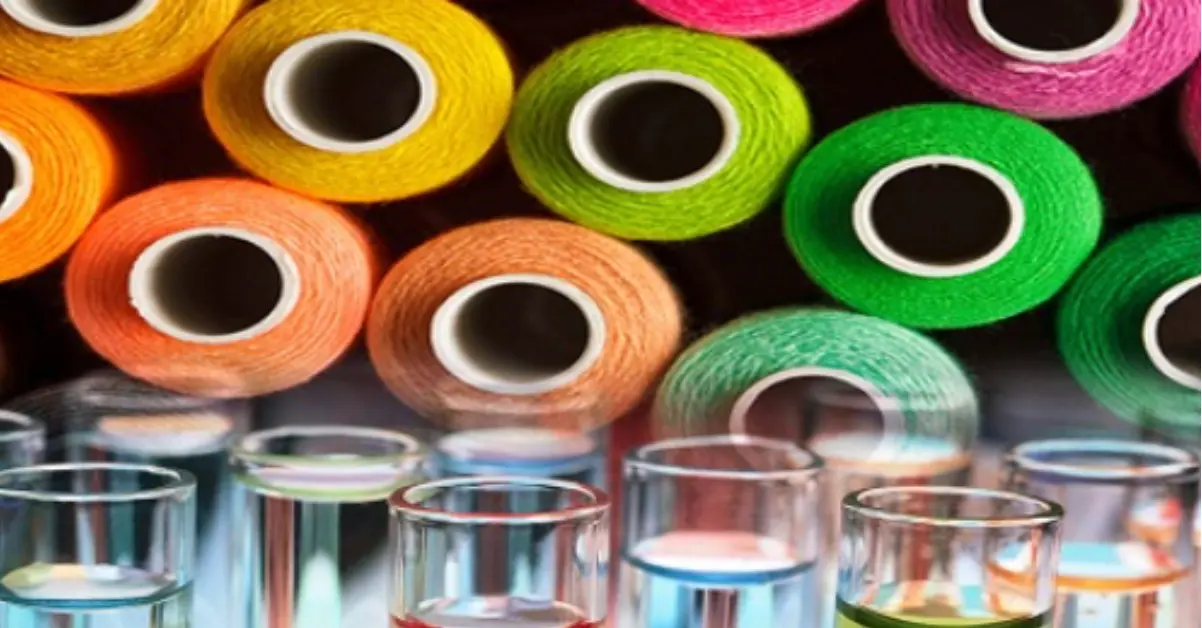
The textile industry is one of the largest manufacturing industries in the world and heavily relies on specialized chemicals to manufacture high quality fabrics The list of chemicals used in textile industry includes dyes, auxiliaries, bleaching agents, finishing chemicals, and other specialized compounds essential for producing high-quality fabrics. These textile processing chemicals help improve color, durability, softness, performance, and overall fabric quality throughout the manufacturing process.
As textile manufacturing continues to grow in the UAE, the demand for reliable textile chemicals suppliers in UAE is also increasing. OozeChem supplies industrial-grade chemicals for textile dyeing, processing, finishing, and related applications. This guide covers the major chemicals used in the textile industry, their functions, applications, and role in modern textile production.
Why Are Chemicals Important in Textile Manufacturing?
Modern textile production depends on various textile processing chemicals to improve fabric appearance, texture, color fastness and durability. Without proper chemical treatment, fabrics may suffer from poor dye uptake, uneven coloration, reduced strength and inferior finishing properties.
The primary functions of industrial textile chemicals include:
- Fabric cleaning and preparation
- Bleaching and whitening
- Dyeing and color fixation
- Softening and finishing
- pH control
- Water treatment
- Wastewater purification
- Process optimization
As a result, chemicals used in textiles directly influence product quality, production costs and environmental compliance.
List of Chemicals Used in Textile Industry
The following is a comprehensive list of chemicals used in the textile dyeing industry and textile processing operations.
Caustic Soda (Sodium Hydroxide)
One of the most widely used chemicals used in textile industry, caustic soda in textile industry applications include:
- Cotton mercerization
- Fabric scouring
- Removal of natural oils and waxes
- Improving dye absorption
Benefits:
- Enhanced fabric strength
- Better dye penetration
- Improved color consistency
Hydrogen Peroxide
Among the most important textile bleaching chemicals, hydrogen peroxide for textile bleaching is commonly used to remove natural coloration and prepare fabrics for dyeing.
Applications:
- Cotton bleaching
- Yarn whitening
- Fabric pretreatment
Benefits:
- Produces bright white fabrics
- Environmentally preferred compared to chlorine bleaching
- Improves dye uniformity
Wetting Agents
Wetting agents help water penetrate fabric fibers quickly during processing.
Role in textile pretreatment chemicals:
- Faster chemical absorption
- Improved scouring efficiency
- Better dyeing performance
These chemicals are essential in modern textile wet processing chemicals operations.
Detergents and Scouring Agents
Textile detergents and scouring agents remove impurities such as:
- Oils
- Grease
- Dirt
- Wax residues
Benefits include:
- Cleaner fabrics
- Improved bleaching efficiency
- Better dye fixation
Sequestering Agents
Hard water minerals can interfere with textile processing. Sequestering agents bind unwanted metal ions and prevent process issues.
Applications:
- Dye baths
- Bleaching operations
- Fabric preparation
These chemicals contribute significantly to process efficiency and product consistency.
Chemicals Used in Textile Dyeing
The dyeing stage utilizes several specialized textile dyeing chemicals and auxiliaries.
Dyeing Auxiliaries
Textile dye auxiliaries improve dye uptake and ensure even coloration.
Functions include:
- Dye dispersion
- Color penetration
- Shade consistency
- Process stabilization
These are considered critical chemicals required for textile processing.
Leveling Agents
Textile leveling agents help dyes spread evenly throughout the fabric.
Benefits:
- Prevent patchy dyeing
- Improve shade uniformity
- Enhance production quality
They are among the most important chemicals used in textile dyeing processes.
Dye Fixing Agents
Textile dye fixing chemicals improve dye retention and enhance color fastness.
Advantages:
- Better wash resistance
- Reduced color fading
- Longer lasting fabrics
These agents play a crucial role in dye fixation and quality assurance.
pH Control Chemicals
Proper pH management is critical in textile dyeing.
Common textile pH control chemicals include:
- Acetic acid
- Sodium carbonate
- Sodium hydroxide
Benefits:
- Improved dye performance
- Consistent processing conditions
- Better color development
Textile Finishing Chemicals
After dyeing, fabrics undergo finishing treatments using specialized textile finishing chemicals.
Softening Agents
Textile softening chemicals improve:
- Fabric feel
- Comfort
- Drape properties
Applications include:
- Garments
- Home textiles
- Industrial fabrics
Whitening Agents
Textile whitening agents enhance fabric brightness and appearance.
Benefits:
- Cleaner visual appearance
- Improved whiteness
- Enhanced market value
Textile Enzymes
Textile enzymes are environmentally friendly alternatives used in:
- Biopolishing
- Desizing
- Denim processing
Advantages:
- Reduced chemical consumption
- Improved fabric softness
- Sustainable processing
| Chemical | Function | Application |
| Caustic Soda | Mercerization | Cotton Processing |
| Hydrogen Peroxide | Bleaching | Fabric Whitening |
| Wetting Agent | Improved Penetration | Pretreatment |
| Leveling Agent | Uniform Dyeing | Dyeing Process |
| Dye Fixing Agent | Color Fastness | Fabric Dyeing |
| Activated Carbon | Dye Removal | Wastewater Treatment |
Role of Chemicals in Textile Dyeing and Finishing
Understanding the role of chemicals in textile dyeing is essential for achieving high quality textile products.
Benefits:
- Improved dye absorption
- Better color fastness
- Enhanced fabric durability
- Consistent production quality
- Increased process efficiency
Modern textile dyeing chemicals and their functions continue to evolve to meet sustainability and performance requirements.
Activated Carbon Adsorption
Activated carbon adsorption in textile industry applications help remove:
- Residual dyes
- Organic contaminants
- Odors
- Color compounds
OOZECHEM supplies high quality activated carbon solutions suitable for industrial purification systems.
Benefits of Activated Carbon for Dye Removal
- Effective color removal from textile wastewater
- Improved water quality
- Reduced environmental impact
- Compliance with discharge standards
Textile Chemicals Supplier in UAE
Reliable sourcing of industrial grade chemicals is vital for the UAE textile business to ensure production efficiency and product quality.
Things to consider before choosing a textile chemicals supplier in UAE:
- Product quality
- Technical support
- Compliance with regulations
- Steady Supply Industry Knowledge
OOZECHEM offers a huge selection of industrial chemicals for textile manufacturing, dyeing, finishing, water treatment and purification applications in UAE. The company’s portfolio consists of:
- Caustic Soda
- Hydrogen Peroxide
- Activated Carbon
- Water Chemicals
- Industrial Chemicals
These solutions benefit textile manufacturers in the UAE and the GCC area.
How to Select the Correct Textile Processing Chemicals?
There are many aspects that come into play in selecting the right textile processing chemicals provider.
Material Type
The type of fiber will determine the chemical treatment required .
Dyeing Method
Reactive, dispersion, vat and pigment dyeing each need specific auxiliaries.
Environmental Needs
Sustainable chemicals reduce wastewater footprint.
Efficiency In Production
High performance chemicals can increase throughput and save operating expenses.
Future Trends in Textile Chemicals
The textile industry is moving toward:
- Eco-friendly processing
- Sustainable dyeing technologies
- Water saving chemicals
- Advanced textile enzymes
- High efficiency wastewater treatment systems
These innovations continue to improve fabric quality while reducing environmental impact.
Frequently Asked Questions
What chemicals are used in textile dyeing?
Common textile dyeing chemicals include caustic soda, hydrogen peroxide, leveling agents, wetting agents, dye fixing agents, softeners, and textile enzymes.
Why is caustic soda used in the textile industry?
Caustic soda is used for mercerization and scouring processes to improve dye absorption and fabric quality.
What is the role of activated carbon in textile wastewater treatment?
Activated carbon removes residual dyes, organic contaminants, odors, and color compounds from textile wastewater streams.
Which chemicals are used for textile bleaching?
Hydrogen peroxide is the most widely used bleaching chemical due to its effectiveness and environmentally friendly properties.
Conclusion
The importance of modern textile production for the correct selection and usage of chemical agents in the textile industry is of major importance. Specialty products are essential at every phase, from textile pretreatment chemicals and textile dyeing chemicals to textile finishing chemicals and wastewater treatment solutions, to improve quality, efficiency and sustainability.
For textile businesses around the UAE, linking up with an experienced textile chemicals supplier in the UAE means access to reliable supplies and technical support. OOZECHEM provides the industry with premium quality industrial chemicals, activated carbon solutions and purification technology that assist in optimizing textile processing processes while meeting modern environmental laws.