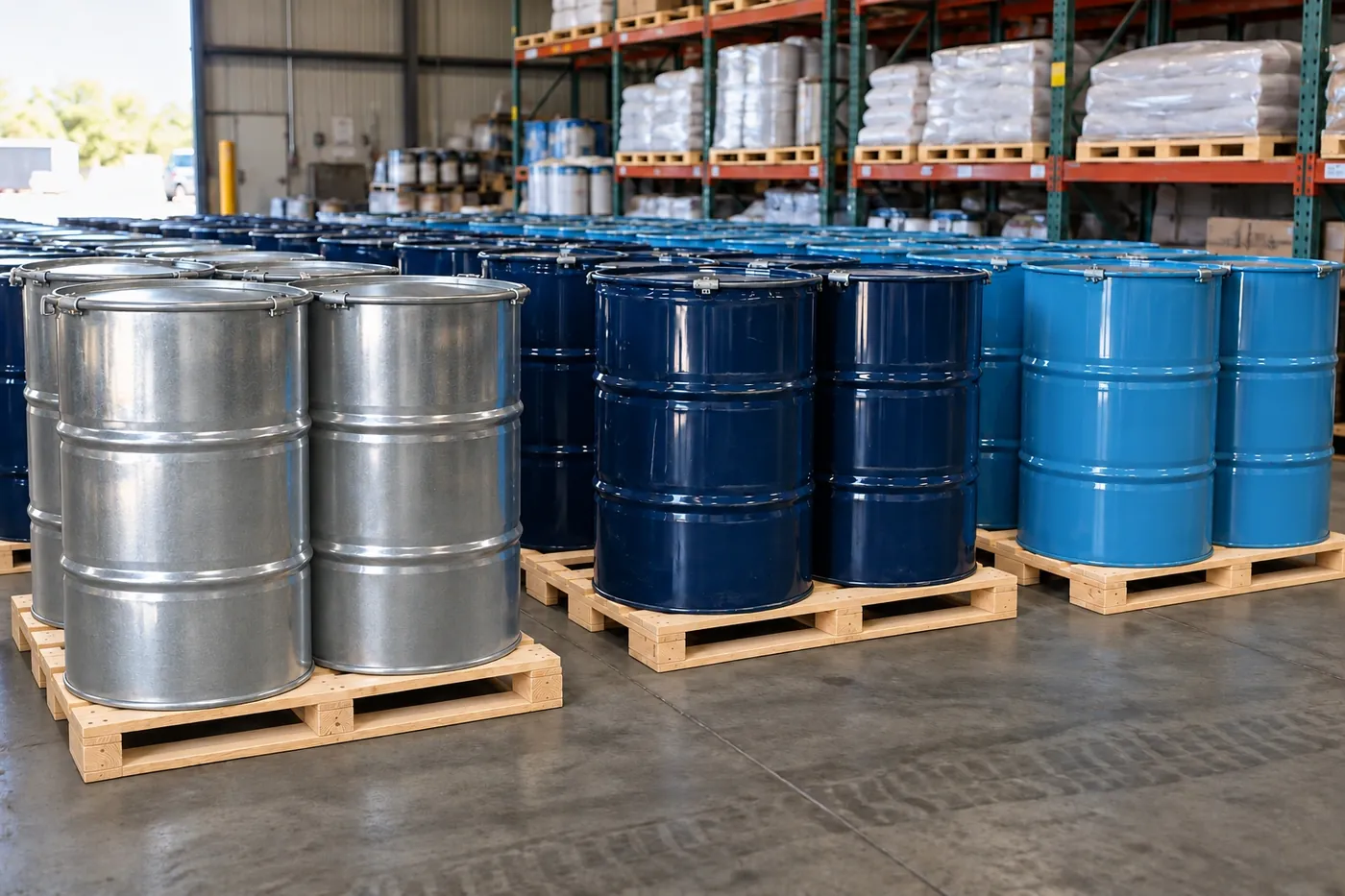
Caustic Soda in Textile Industry
The textile industry depends on advanced chemical processing to convert raw fibers into durable, attractive, and high quality fabrics. From cotton garments and home textiles to industrial fabrics and blended materials, manufacturers require chemicals that improve efficiency, cleanliness, dye absorption, and final fabric performance. One of the most important materials used across production facilities is caustic soda in textile industry applications.

Caustic soda, also known as sodium hydroxide, is a strong alkaline chemical widely used in pretreatment, mercerizing, bleaching, dyeing, cleaning, and wastewater treatment. Its ability to remove natural impurities, enhance fiber strength, and support smooth processing makes it essential for modern textile mills.cAs global demand rises for better fabrics and sustainable manufacturing, the role of caustic soda continues to grow in spinning, weaving, dyeing, and finishing operations.
Why We Use Caustic Soda in Textile Manufacturing?
Manufacturers rely on caustic soda for textile industry operations because it improves fiber preparation and helps fabrics achieve better quality standards. Natural fibers such as cotton contain waxes, oils, pectin, and other impurities that must be removed before dyeing or finishing. Caustic soda effectively cleans these materials and prepares fibers for further treatment.
The use of sodium hydroxide in textile industry processes also creates the alkaline conditions needed for many reactions during fabric preparation. It improves absorbency, enhances softness, and helps ensure uniform chemical treatment throughout production.
For textile manufacturers focused on consistency and efficiency, caustic soda remains one of the most valuable industrial chemicals.
Importance in Textile Processing
The use of caustic soda in textile processing begins during the pretreatment stage where raw fibers and greige fabrics are cleaned before dyeing or finishing. Removing impurities at this stage improves fabric quality and allows colors to bond more effectively later.
Because it is highly effective for cleaning and preparation, many plants use caustic soda during caustic soda for fabric manufacturing systems to produce stronger, cleaner, and more uniform materials.
Modern factories also prefer a reliable caustic soda supplier for the textile industry to maintain uninterrupted production schedules.
Key Uses of Caustic Soda in Textile Mills
Caustic soda supports several important stages of textile manufacturing. Its versatility allows mills to use one chemical across multiple operations while maintaining process control and product quality.
Cotton Processing and Scouring
Raw cotton fibers naturally contain waxes and impurities. Mills use caustic soda for cotton processing to remove these unwanted materials and increase absorbency. This process helps fabrics take dye more evenly and improves softness.
As an effective fabric scouring chemical, caustic soda ensures that fibers are properly cleaned before bleaching or coloring.
Mercerization Process
One of the most valuable uses is caustic soda for mercerization process treatment. Mercerization improves cotton strength, luster, dimensional stability, and dye affinity.
During this process, caustic soda causes fiber swelling, which enhances the surface appearance and makes fabrics more attractive and durable for premium textile products.
Bleaching Applications
White and light colored textiles often require bleaching to remove natural coloration. Manufacturers use caustic soda in systems related to caustic soda in bleaching textiles because it supports bleaching efficiency and fabric cleanliness.
It is commonly combined with other fabric bleaching chemicals to achieve brighter and cleaner results.
Dyeing and Color Fixing
Color consistency is critical in textile production. Mills use caustic soda in dyeing industry operations to maintain proper pH levels and improve dye bonding to fibers.
It also functions as a dependable textile dye fixing chemical, helping colors remain vibrant after washing and regular use.
Fiber Treatment and Chemical Stability
Because cotton is cellulose based, caustic soda is also used as a cellulose fiber treatment chemical to modify and improve fiber performance during finishing processes.
It remains one of the most widely used alkaline textile processing chemical solutions across the global textile sector.
See other applications of caustic soda Flakes
Benefits of Using Caustic Soda
There are many benefits of caustic soda in textile processing that make it essential for manufacturers worldwide.
- Improves fabric absorbency and softness
- Enhances dye uptake and color uniformity
- Increases cotton strength and luster
- Removes oils, waxes, and impurities
- Supports efficient bleaching and finishing
- Helps maintain consistent production quality
These advantages explain why caustic soda is used in textile industry operations from small dye houses to large export oriented mills.
Water Treatment and Process Control
Textile factories consume significant amounts of water during washing, dyeing, and finishing. Caustic soda helps with pH control in textile mills, ensuring water systems remain balanced for chemical reactions and cleaning stages.
It is also used as a textile wastewater treatment chemical to neutralize acidic streams and support environmental compliance before discharge or recycling.
Industrial Supply for Textile Manufacturers
Large scale producers require consistent raw material supply. Many buyers search for industrial caustic soda for textile mills with dependable purity and packaging options such as flakes, liquid, or bulk shipments.
Customers looking to buy caustic soda for textile mills often compare quality, origin, and delivery timelines before selecting suppliers.
Premium operations may request high purity caustic soda for textile mills where contamination control and precise processing are essential.
Companies also review industrial caustic soda prices for textile mills to optimize purchasing costs while maintaining production reliability.
UAE and Middle East Supply Solutions
Growing garment, fabric, and finishing industries have increased demand for chemical suppliers in the region. Many businesses seek a dependable caustic soda supplier UAE for the textile industry for local delivery and export support.
Regional buyers also search for a trusted caustic soda supplier in UAE and caustic soda supplier in Dubai because of strong logistics networks and port access.
For nearby international trade, manufacturers may work with a professional caustic soda exporter Turkey or a reliable caustic soda supplier Middle East serving textile hubs across the region.
Textile plants also source caustic soda for textile mills UAE to support spinning, dyeing, and finishing facilities.
Conclusion
The role of caustic soda in textile industry production is essential from raw fiber preparation to final finishing. It supports scouring, mercerization, bleaching, dyeing, pH adjustment, and wastewater treatment while improving fabric quality and operational efficiency.
Whether manufacturing cotton garments, home textiles, industrial fabrics, or blended materials, mills rely on caustic soda for consistent and economical production. Choosing the right supplier ensures dependable quality, stable operations, and long term manufacturing success.
Check Our other Applications
More Caustic Soda Flakes guides
Tell us the duty. We will quote the grade.
Send the product, the volume and the destination port. We come back with grade, packing and delivered price within one business day.