In today’s industrial environment, cleanliness and safety standards are more important than ever. Proper cleaning and disinfection practices are vital in various settings, from food processing plants and healthcare facilities to water treatment systems and commercial buildings. These practices help prevent contamination, protect public health and ensure regulatory compliance. Industrial disinfectants in UAE play a key role in the elimination of pathogens, the control of contamination and the disinfection of the environment. These speciality chemical solutions are designed to kill bacteria, viruses, fungi and other pathogenic microorganisms on surfaces, equipment, water systems and manufacturing environments. As industries across the UAE continue to prioritize hygiene and operational safety, understanding the different types of industrial disinfectants, their applications and how they work can help businesses choose the most suitable solution for their needs.
What Is an Industrial Disinfectant?
Industrial disinfectant is a chemical formulation that is specially formulated to kill or deactivate harmful microorganisms on surfaces, equipment, water systems and industrial environments. Disinfectants are not the usual cleaning agents but are developed to provide effective microbial control against pathogens that may cause contamination, product spoilage or health risks. Industrial disinfectants are commonly used in:
- Food processing facilities
- Hospitals and healthcare centers
- Pharmaceutical manufacturing plants
- Commercial buildings
- Water treatment facilities
- Hospitality industries
- Warehouses and logistics centers
The primary objective of industrial disinfection is to maintain a safe environment while supporting effective hygiene maintenance and infection prevention programs.
Importance of Industrial Disinfection
There is more to industrial disinfection than just cleanliness. Today, businesses face strict regulatory requirements for sanitation, workplace safety and product quality. Proper disinfection will help:
Effective disinfection helps:
- Reduce microbial contamination
- Prevent disease transmission
- Improve workplace hygiene
- Protect employees and consumers
- Extend product shelf life
- Maintain regulatory compliance
- Support environmental safety initiatives
Industries that fail to implement proper cleaning and disinfection procedures may face operational disruptions, reputational damage and increased health risks.
Major Types of Industrial Disinfectants
Different disinfectants are formulated for different applications. Choosing the right solution depends on the target microorganisms, surface type and operating environment.
1. Chlorine-Based Disinfectants
Chlorine disinfectant products are among the most widely used industrial disinfectants worldwide. They are highly effective against bacteria, viruses and fungi.
One of the most common chlorine-based disinfectants used in industrial settings is Calcium Hypochlorite, which is widely used for:
- Water treatment
- Swimming pool sanitation
- Drinking water disinfection
- Wastewater treatment
- Food processing sanitation
Benefits of Calcium Hypochlorite
- Strong oxidizing properties
- Broad spectrum microbial control
- Cost effective treatment
- Effective for disinfection of water by chlorine
- Suitable for large scale industrial applications
For UAE industries dealing with water sanitation and public health requirements, Calcium Hypochlorite is the most reliable disinfection chemicals available.
2. Alcohol-Based Disinfectants
Alcohol disinfectant spray formulations are commonly used in healthcare and commercial environments.
These products typically contain:
- Ethanol
- Isopropyl alcohol
Applications include:
- Medical equipment disinfection
- Surface sanitization
- Hospital hygiene programs
- Healthcare cleaning procedures
Alcohol disinfectants work rapidly and leave minimal residue, making them suitable for high-touch surfaces.
3. Hydrogen Peroxide Disinfectants
Hydrogen peroxide disinfectant solutions are increasingly popular due to their effectiveness and environmentally friendly decomposition.
Common applications include:
- Healthcare facilities
- Pharmaceutical production
- Laboratory sanitation
- Cleanroom environments
Advantages include:
- Broad antimicrobial activity
- No harmful residue
- Effective against viruses and bacteria
- Suitable for sensitive environments
4. Quaternary Ammonium Compounds (Quats)
Quaternary ammonium compounds are frequently used in commercial and industrial cleaning programs.
These disinfectants are commonly found in:
- Surface disinfectant products
- Facility sanitation systems
- Commercial kitchens
- Educational institutions
Benefits include:
- Long-lasting antimicrobial action
- Surface compatibility
- Low odor
- Effective cleaning performance
5. Phenolic Disinfectants
Phenolic compounds are commonly used in healthcare and industrial settings where strong microbial control is required.
Applications include:
- Hospital disinfection
- Industrial sanitation
- Laboratory cleaning
These products offer excellent effectiveness against bacteria and many viruses.
Understanding Disinfectant Sprays
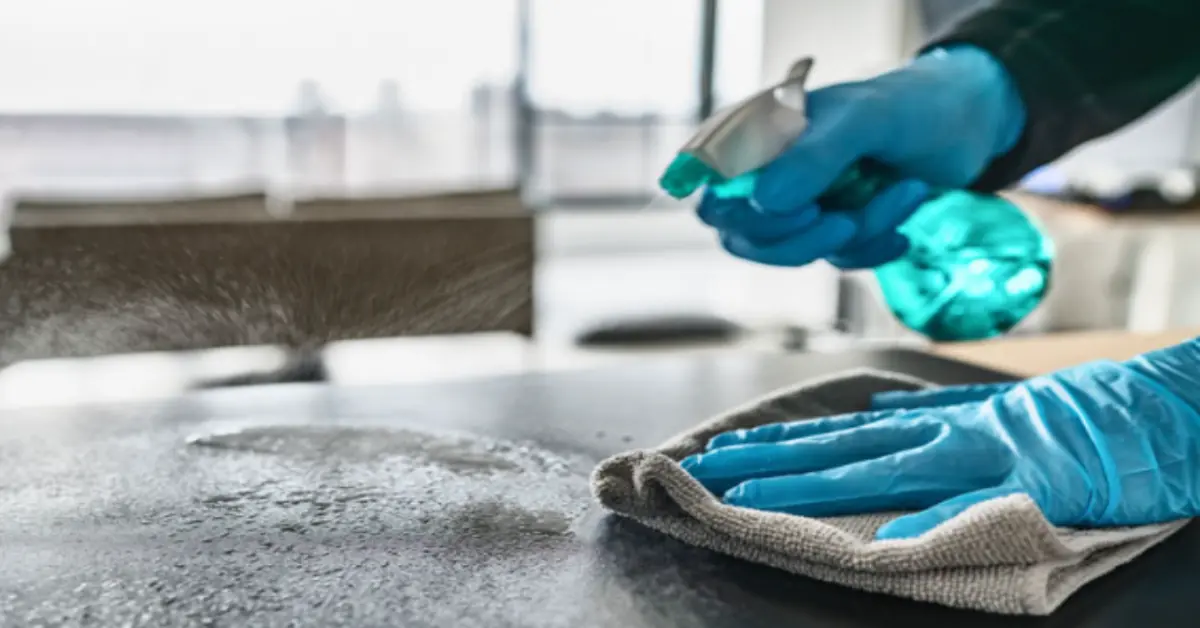
One of the most widely used sanitation products today is the disinfectant spray.
What Is Disinfectant Spray?
A surface disinfectant spray is a ready-to-use or concentrated formulation designed to eliminate harmful microorganisms from surfaces.
These sprays are used extensively in:
- Offices
- Hospitals
- Food processing plants
- Commercial facilities
- Educational institutions
How Does Disinfectant Spray Work?
Disinfectant sprays work by damaging microbial cell walls, disrupting proteins, or oxidizing pathogens, ultimately preventing them from surviving or reproducing.
Benefits of Disinfectant Spray
Some key disinfectant spray benefits include:
- Fast application
- Easy surface coverage
- Effective microbial reduction
- Improved hygiene management
- Support for infection prevention programs
Industrial Applications of Disinfectants
Food Industry
The food sector relies heavily on disinfectants used in food industry operations.
Applications include:
- Equipment sanitation
- Production line cleaning
- Storage area disinfection
- Packaging facility hygiene
Effective sanitation helps prevent contamination while supporting food safety regulations.
See How Disinfectants Used in Food Industry
Healthcare Facilities
Hospitals require rigorous disinfection protocols.
Common uses include:
- Hospital disinfectant spray
- Medical disinfectant spray
- Surface sanitation
- Patient room cleaning
- Cleaning and disinfecting medical equipment
Healthcare facilities depend on high-performance disinfectants for effective infection control and patient safety.
Commercial Buildings
Commercial properties use commercial disinfectant spray products to maintain healthy indoor environments.
Applications include:
- Office spaces
- Shopping malls
- Hotels
- Airports
- Educational institutions
Regular sanitation helps reduce microbial contamination and improve occupant safety.
Water Treatment Industry
Water disinfection is essential for public health.
Common applications include:
- Disinfection of drinking water
- Industrial water treatment
- Municipal water systems
- Wastewater treatment
Calcium Hypochlorite remains one of the most widely used chemicals for chemical disinfection in water treatment systems throughout the UAE.
Supporting Products Used Alongside Industrial Disinfection Programs
While industrial disinfectants are primarily responsible for eliminating harmful microorganisms, several specialty products supplied by OOZECHEM support broader contamination control, environmental quality and industrial hygiene objectives. Activated Carbon is widely used in water purification, air filtration and odor removal applications, helping create cleaner environments by adsorbing unwanted contaminants. Molecular Sieve, Carbon Molecular Sieve (CMS), Silica Gel and Activated Alumina are not disinfectants themselves, but they play important roles in moisture removal, gas purification, air drying and controlled storage conditions across pharmaceutical, food processing, healthcare and industrial facilities. By reducing moisture, impurities and unwanted gases, these products help maintain product quality, support hygiene maintenance and contribute to overall operational efficiency in environments where cleanliness and contamination prevention are critical.
Choosing the Right Industrial Disinfectant
When selecting an industrial disinfectant, businesses should consider:
Target Microorganisms
Different disinfectants offer varying levels of effectiveness against:
- Bacteria
- Viruses
- Fungi
- Spores
Application Environment
Consider where the product will be used:
- Hospitals
- Food plants
- Commercial facilities
- Water treatment systems
Contact Time
Some disinfectants require longer exposure periods to achieve desired microbial reduction.
Surface Compatibility
Ensure the disinfectant is compatible with equipment and facility surfaces.
Regulatory Compliance
Always select products that meet local and international sanitation requirements.
Industrial Disinfection Trends in the UAE
The UAE’s industrial sector continues to invest heavily in hygiene and sanitation technologies.
Current trends include:
- Increased use of automated disinfection systems
- Enhanced healthcare cleaning protocols
- Advanced water treatment solutions
- Sustainable sanitation practices
- Improved facility disinfection programs
Industries are increasingly integrating disinfection chemicals with purification technologies such as Activated Carbon, Molecular Sieves, Activated Alumina and CMS systems to create comprehensive contamination control strategies.
Best Practices for Effective Cleaning and Disinfection
To maximize effectiveness:
- Clean surfaces before disinfection.
- Use the recommended dilution ratio.
- Follow manufacturer contact times.
- Train staff on proper procedures.
- Monitor sanitation performance regularly.
- Maintain consistent hygiene management protocols.
Combining proper cleaning practices with high-quality disinfectants significantly improves overall microbial control.
Conclusion
Industrial disinfectants in UAE are essential for maintaining safe, hygienic and compliant operations across healthcare, food processing, water treatment and commercial industries. Whether using a disinfectant cleaner, disinfectant liquid, surface disinfectant, or advanced industrial disinfectant spray, businesses must select solutions that effectively support pathogen removal and contamination control.
As UAE industries continue prioritizing safety, sustainability and operational excellence, investing in effective disinfection and hygiene solutions remains a critical component of modern industrial success.