Carbon Supply in Dubai

Leading Activated Carbon Suppliers in UAE for Filtration

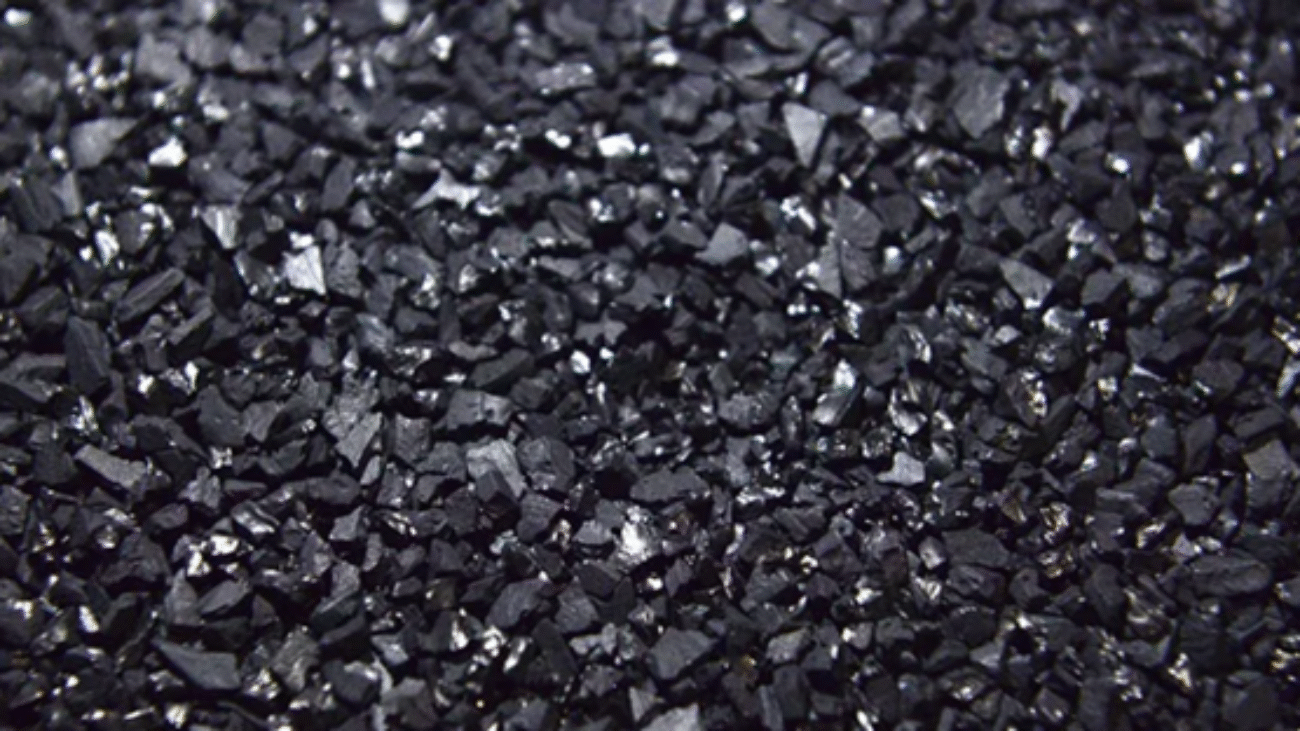
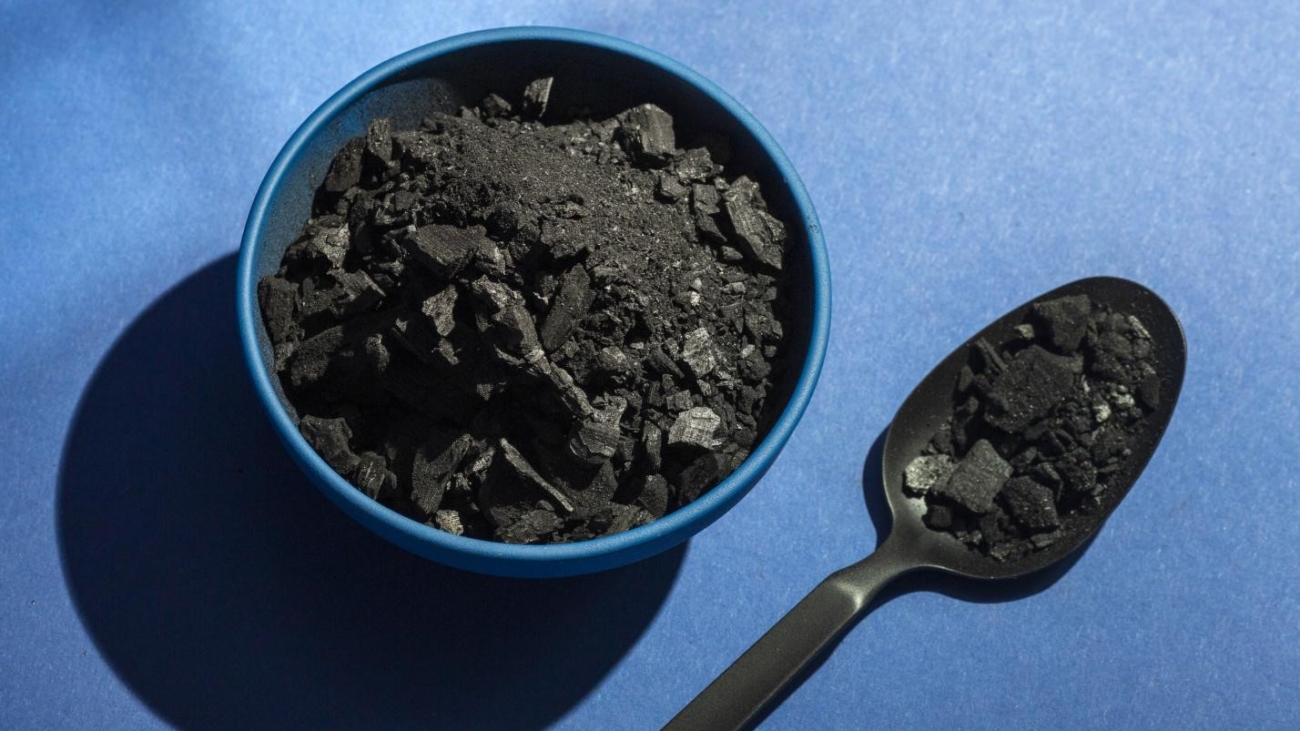
Activated carbon is one of the most widely used filtration and purification materials across water treatment, air purification, gas processing, food production and industrial manufacturing. Businesses searching for reliable activated carbon suppliers in UAE need products that offer consistent adsorption performance, quality certification and dependable supply. Understanding the different types of activated carbon and their applications can help organizations choose the right solution for their purification requirements.

At OozeChem, we focus on providing top grade activated carbon to help companies run smoother, cleaner and more efficiently. Our goal is simple to offer products that perform consistently and meet high standards, no matter the challenge.

Why Activated Carbon Is Essential?

Activated carbon plays a crucial role in keeping processes clean and efficient. Thanks to its porous structure and large surface area, it traps and removes toxins, contaminants and unwanted odors from different systems.

Industries like water treatment, food processing, petrochemicals and HVAC in Dubai rely heavily on activated carbon to keep operations running smoothly. If the carbon quality is poor, it can clog, break down, or fail when it’s needed most — causing delays and costly issues. Every batch we supply meets strict international quality standards and is tested to perform reliably, even in the harsh conditions of the Middle East.

Types of Activated Carbon Available in UAE

TypeCommon Applications
Powdered Activated Carbon (PAC)Water treatment, decolorization
Granular Activated Carbon (GAC)Filtration systems, water purification
Extruded Activated Carbon (EAC)Air purification, gas treatment
Pelletized Activated CarbonIndustrial adsorption systems

This aligns with how activated carbon is actually categorized and searched.

Benefits of Activated Carbon

  • High adsorption capacity
  • Effective removal of odors and VOCs
  • Supports water purification processes
  • Improves air quality
  • Suitable for liquid and gas filtration
  • Cost-effective purification solution
  • Available in multiple grades and forms
  • Supports environmental compliance
  • Long operational lifespan
  • Suitable for industrial and commercial applications

This section targets additional informational keywords while remaining relevant.

Global Quality Across UAE

Industries across the UAE face challenges related to water quality, industrial emissions, odors, VOCs, and process purification. As a result, activated carbon is widely used in municipal water treatment facilities, oil and gas operations, chemical manufacturing plants, air purification systems, and environmental remediation projects throughout the region.

Frequently Asked Questions

What is activated carbon used for?

Activated carbon is used for water purification, air treatment, gas processing, industrial filtration, solvent recovery, and environmental remediation.

Which type of activated carbon is best?

The best type depends on the application. GAC is commonly used for filtration systems, PAC for rapid adsorption, and EAC for gas purification.

How do I choose an activated carbon supplier in UAE?

Look for product quality, technical support, available grades, certifications, application expertise, and supply reliability.

What industries use activated carbon?

Water treatment, oil and gas, food processing, pharmaceuticals, mining, chemical manufacturing, and air purification industries all use activated carbon extensively.

Let’s Work Together

If you’re looking for a dependable activated carbon supplier in Dubai, OozeChem is here to help. We’re dedicated to offering quality products and reliable service that you can count on, day in and day out.

Get in touch with our team — and let’s find the right solution to keep your business running at its best.

Activated Carbon

Best Activated Carbon in Gold Recovery: Unveiling the Critical Process

Gold recovery is a highly specialized process that requires efficient and cost-effective methods to extract the precious metal from ore. One of the most crucial components in this process is activated carbon, a powerful adsorbent that plays a key role in the extraction and purification of gold. By using activated carbon for gold recovery, industries can achieve high yields while minimizing losses, making it an indispensable solution for mining operations worldwide.

Understanding Activated Carbon and Its Role in Gold Recovery

Activated carbon is a highly porous material derived from organic sources such as coconut shells, wood, and coal. Its extensive surface area and strong adsorption capabilities make it ideal for trapping gold from cyanide leach solutions in a process known as the Carbon-in-Pulp (CIP) and Carbon-in-Leach (CIL) methods. These techniques are widely used in the gold mining industry to efficiently extract and recover gold from ore.

The key benefits of using activated carbon for gold recovery include:

  • High adsorption capacity: Ensures maximum gold recovery from cyanide solutions.
  • Cost-effectiveness: Reduces gold losses and increases overall yield.
  • Reusability: Can be regenerated and reused multiple times, enhancing operational efficiency.

The Gold Recovery Process Using Activated Carbon

  1. Gold Leaching: The ore is crushed and treated with a cyanide solution, which dissolves the gold, forming a gold-cyanide complex.
  2. Adsorption on Activated Carbon: The cyanide solution containing dissolved gold is passed through activated carbon, where gold is adsorbed onto the carbon surface.
  3. Elution Process: The gold-laden carbon is treated with a stripping solution to release the gold, which is then collected for further refining.
  4. Regeneration of Activated Carbon: Used carbon undergoes thermal treatment to remove impurities and restore its adsorption capacity for reuse.

Choosing the Right Activated Carbon Supplier in Dubai, UAE

For mining companies in Dubai, UAE, sourcing high-quality activated carbon is crucial for optimizing gold recovery operations. Reliable activated carbon suppliers in Dubai, UAE offer premium-grade carbon with the necessary pore structure and adsorption properties tailored for gold extraction. When selecting a supplier, consider factors such as:

  • Purity and hardness: Ensuring minimal carbon loss during processing.
  • High adsorption efficiency: Maximizing gold recovery rates.
  • Sustainability and cost-effectiveness: Providing eco-friendly and budget-friendly solutions.

Conclusion

Activated carbon plays an essential role in the gold recovery process, offering superior adsorption capabilities that enhance efficiency and profitability in mining operations. By sourcing high-quality activated carbon from trusted activated carbon suppliers in Dubai, UAE, gold mining companies can achieve sustainable and cost-effective metal extraction. As the demand for gold continues to rise, investing in the right carbon solutions ensures optimal performance and long-term success in the industry.

molecular sieve 4A

You may get high-quality molecular sieve 4A from Oozechem

The industrial high-performance  molecular sieve 4A is an adsorbent material that is both versatile and effective, and Oozechem is a leading supplier of this material. In order to cater to the various requirements of our consumers, we provide a wide range of chemical sieve 4A products, each of which has a proven track record and a dedication to quality.

This particular form of crystal structure is known as molecules sieve 4A, and it is distinguished by its pore size, which is around 4 angstroms. Because of its particular pore size, it is able to preferentially adsorb molecules that have a kinetic diameter of less than 4 angstroms. As a result, it is an excellent candidate for a wide range of applications in the chemical, petrochemical, and gas sectors.

The chemical sieve 4A offered by Oozechem is offered in both sodium and potassium forms, each of which possesses a unique set of characteristics and can be utilized in a variety of contexts. Sodium is particularly useful for drying gases and liquids, whereas potassium is frequently employed for the separation of hydrocarbons. Both forms prove successful in their respective applications.

The following are some of the most important applications of molecular sieve 4A:

The purification of gas: Hydrocarbons, carbon dioxide, and other pollutants are extracted from gases including natural gas, air, and process gases through the process of gas purification.

Drying with liquid: Liquids such as alcohols, solvents, and refrigerants are dehydrated during this process.

Discrimination: As an example, the removal of aromatics from paraffins is an example of the separation of hydrocarbon mixtures.

Purification of the air: Contaminants such as volatile organic compounds (VOCs) and odors are eliminated from the air through this process.

Manufacturing of petrochemicals: The cleaning of process streams, including cracking gasses and products from the refinery, among other things.

The molecules sieve 4A offered by Oozechem is produced by employing advanced manufacturing processes to ensure a high level of purity and quality consistency. To make sure that our products are up to the highest industry standards, we subject them to stringent testing.

In the event that you go with Oozechem, you can be assured that you will receive a product of the highest possible quality, which will be coupled with outstanding customer service. Support and assistance with your particular applications can be obtained from our team of specialists, who are available to provide technical support.

Connect with OozeChem - Your Gateway to Optimal Chemical Solutions.

Phone:

+971 50 349 8566

Email:

info@oozechem.com

molecular sieve 4A

Beads of Molecular Sieve – A Multipurpose Adsorbent for Use in Industry

There are small powerhouses of adsorption called molecular sieve beads

In the complicated world of industrial processes, molecules must be able to stick to things quickly and selectively. Molecular sieve beads, with their unique porous structure and high adsorption capacity, have emerged as a versatile solution for a wide range of applications.

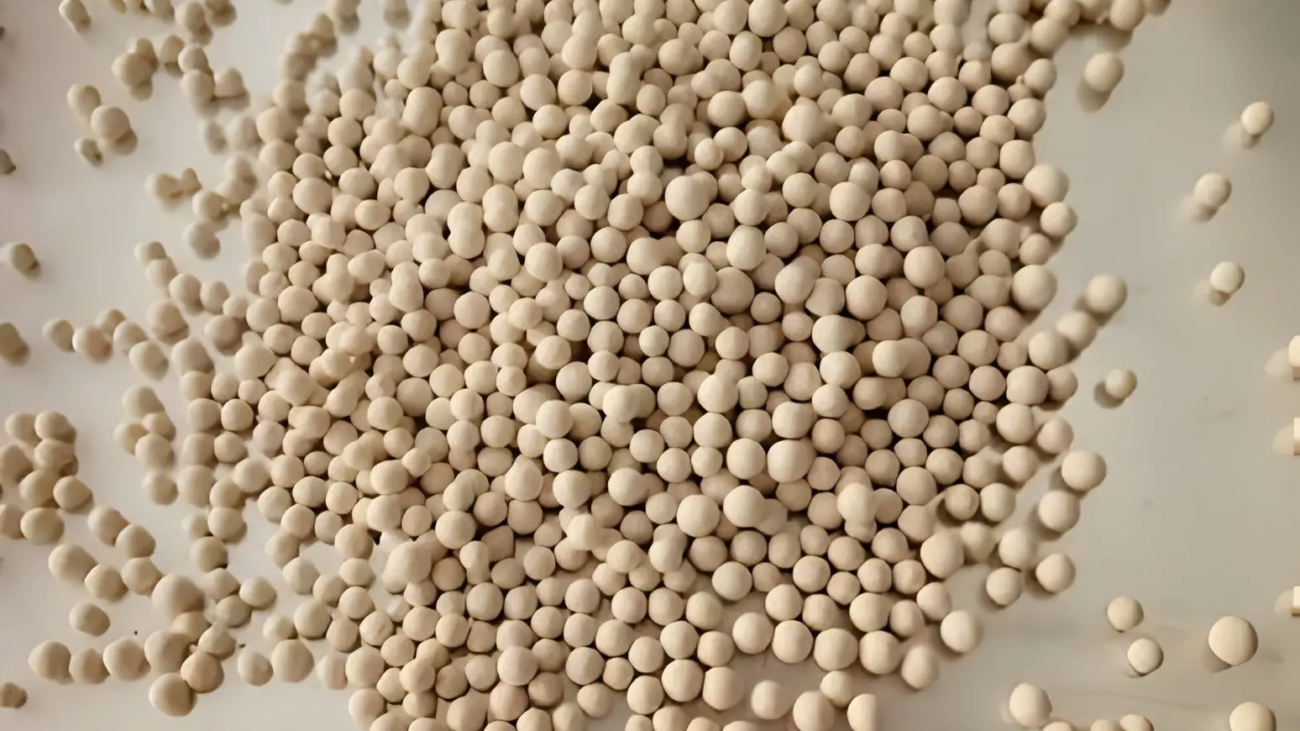
These little, spherical particles can specifically adsorb molecules based on their size and polarity. This makes them very important for processes like drying gases, cleaning them, and separating them.

As a top company that sells high-quality molecular sieves, OozeChem has a wide selection of beads for molecular sieve that are made to fit the needs of different businesses. Their products are known for performing well, being pure, and being reliable, which makes them a good choice for tough jobs.

How to Understand the Science Behind Molecular Sieves

Molecular sieves are made up mostly of zeolites, which are crystalline aluminosilicates with a three-dimensional structure made up of pores and cavities that are linked to each other. These pores are very specific in their sizes, and they work like molecular sieves, only adsorbing molecules that fit through their gaps. Because of this one-of-a-kind feature, molecular sieves can effectively separate and clean gases and liquids, getting rid of unwanted contaminants and making sure the quality of the product.

Different kinds of molecular sieve beads and how they can be used

OozeChem has different kinds of beads for molecular sieve for different uses. Each one has different pore sizes and adsorption qualities. Here are some of the most popular types:

3A Sieves for molecules: The pores in these beads are 3 angstroms wide, and they are mostly used to dry gases and liquids. They are very good at taking water out of gas streams, which makes them perfect for tasks like drying air and dehydrating natural gas.

4A Sieves for molecules: 4A molecular sieves can hold more molecules, like carbon dioxide, hydrogen sulfide, and other small molecules, because their pores are a little bigger at 4 angstroms. In the process of purifying gases and making protected glass units, they are often used.

5A Sieves for molecules: These beads are known for being able to sort normal paraffins from branched-chain and cyclic hydrocarbons. Their pores are 5 angstroms in size. The petroleum industry uses them to separate n-paraffins from iso-paraffins, and they are also used to make very pure oxygen.

13 times molecular sieves: 13X molecular sieves can hold bigger molecules like aromatic hydrocarbons and mercaptans because their pores are 10 angstroms in size. A lot of people use them to separate air and get rid of smelly substances and sulfur compounds in natural gas.

Why beads for molecular sieve Are Better Than Silica Gel
Beads for molecular sieve are better than standard dehydratants like silica gel in a number of ways:

More adsorption capacity: This is because molecular sieves can adsorb a lot more water than silica gel, which makes them better for cleaning tasks.

Adsorption with Choice: Molecular sieves can specifically adsorb molecules based on their size and polarity, which makes it possible to separate and purify specific molecules.

Able to grow back: It is possible to regenerate and use molecular sieves more than once, which cuts down on trash and costs.

Stable at high temperatures: Because they can handle high temperatures, molecular sieves can be used in situations with hot gas streams.

Sieve bits for molecules are used in many different fields.
Many different types of businesses use Sieve bits for molecules, such as:

The petrochemical business: Gas drying, cleaning natural gas and hydrogen, separating molecules, and catalysis are all things that are done with gases.

Chemical Business: Solvents are dried, reactants are cleaned, and reaction products are separated.

Pharmaceutical Business: Drying of medicinal active ingredients and fillers.

The food and drink business: Food and drinks are dried out and pollutants are taken out.

Electronics Business: Drying out electrical parts and the gases that are used to make semiconductors.


How to Pick the Correct Molecular Sieve Crystals

There are a few things you need to think about carefully when choosing the right Sieve bits for molecules for your application:

Molecules of Interest: Figure out which molecules you want to split or adsorb.

Size of Pores: You should pick a molecular sieve with pores that let the target molecules stick to it while keeping out bigger molecules.

Capacity to adsorb: Think about the adsorption capacity that you need based on how many contaminants are present and the amount of purity that you want.

Temperature for Regeneration: Choose a molecular screen that can be cleaned and used again at a temperature that works for your process.

Efficient use of money: Check how much the Sieve bits for molecules and the process of renewing them cost to make sure they are affordable for your use.

In the final analysis, Sieve bits for molecules are a flexible and effective way to clean and separate gases and liquids in many different businesses. Because they are selective, have a high adsorption capacity, and can be recycled, they are a sustainable and cost-effective option to traditional desiccants. Businesses can get high levels of purity, better product quality, and more efficient operations by carefully choosing the right type of Sieve bits for molecules and using them in the best way possible. Because OozeChem is dedicated to offering top-notch molecular sieves and great customer service, it is a trustworthy partner for companies that want to use molecular sieve technology in their industrial processes.

zeolite molecular sieve

Zeolite Molecular Sieves – UAE’s Multifunction Solutions for Business and Industry

Introduction to Zeolite Molecular Sieves in the UAE

In the United Arab Emirates (UAE), zeolite molecular sieve, which belong to a category of microporous materials with distinctive characteristics, have gained significant importance across many industries. Their exceptional capacity to selectively adsorb molecules based on size and polarity makes them indispensable in a wide range of applications—from gas purification and separation to dehydration and catalysis.

The UAE’s flourishing industrial sector, combined with its focus on technological innovation, has led to the widespread use of zeolite sieving systems for improving efficiency, product quality, and sustainability.

How Zeolite Molecular Sieves Work

The unique crystalline structure of zeolite sieves is defined by a network of interconnected pores and cavities. These uniform pore sizes allow for the selective adsorption of specific molecules, making zeolites ideal for processes like air separation, natural gas purification, and removal of contaminants from liquids.

Dehydration: A Key Application in the UAE

Dehydration is one of the most common applications of zeolite sieves in the UAE. In a region with a dry climate and limited freshwater resources, removing moisture from industrial processes is critical. Silica-based molecular sieves are widely used as desiccants in:

  • Petrochemical industries
  • Gas processing plants
  • Compressed air drying systems

These sieves rapidly remove water vapor, ensuring product quality and equipment integrity.

Gas Purification and Air Separation

Zeolite molecular sieves are also essential for gas purification. They remove impurities such as carbon dioxide and hydrogen sulfide from natural gas, making it suitable for industrial use and power generation.

In air separation units, zeolite sieves help produce high-purity oxygen and nitrogen—used extensively in:

  • Healthcare
  • Food and beverage processing
  • Manufacturing and electronics

Types of Zeolite Molecular Sieves

Zeolite sieves are available in several grades, each designed with different pore sizes and characteristics:

  • 3A molecular sieve: Pore size of 3 angstroms; ideal for drying liquids and gases.
  • 13X molecular sieve: Pore size of 10 angstroms; used to remove mercaptans from natural gas and separate aromatic hydrocarbons.

Ion Exchange Capabilities

Another valuable feature of zeolite sieves is their ion exchange ability. They can replace cations in surrounding solutions, making them effective for:

  • Water softening
  • Wastewater treatment
  • Removal of heavy metals from industrial effluents
  • Elimination of radioactive isotopes in nuclear wastewater treatment

Zeolite Sieves as Catalysts

Due to their selective adsorption and high surface area, zeolite sieves are also used as catalysts in many chemical processes. They enhance reaction rates by concentrating reactants on their surface. Common petrochemical applications include:

  • Fluid catalytic cracking (FCC)
  • Isomerization
  • Alkylation

Conclusion

Zeolite molecular sieves have become essential components across industries in the UAE. Their unique properties—including selective adsorption, ion exchange, and catalytic efficiency—make them highly valuable for gas treatment, dehydration, and chemical processing.

As the UAE continues to prioritize industrial expansion and sustainable practices, the demand for zeolite molecular sieves is expected to grow, reinforcing their role in modern industrial technologies.

Connect With OozeChem