what is Silica Gel

Best Silica Gel Supplier in Dubai: Industrial Desiccant

When it comes to protecting sensitive products from moisture damage, silica gel plays a critical role across global industries. From pharmaceuticals and electronics to food packaging and logistics, silica gel is one of the most effective moisture control desiccants used today.

For businesses operating in Dubai, UAE and across the GCC region (Saudi Arabia, Kuwait, Bahrain, Qatar and Oman), sourcing from reliable silica gel suppliers in UAE is essential to ensure product stability, quality and long term protection during storage and transportation.

In this blog, we explore what silica gel is, its key applications, types, benefits and why Oozechem is a trusted silica gel supplier in the UAE market.

What is Silica Gel?

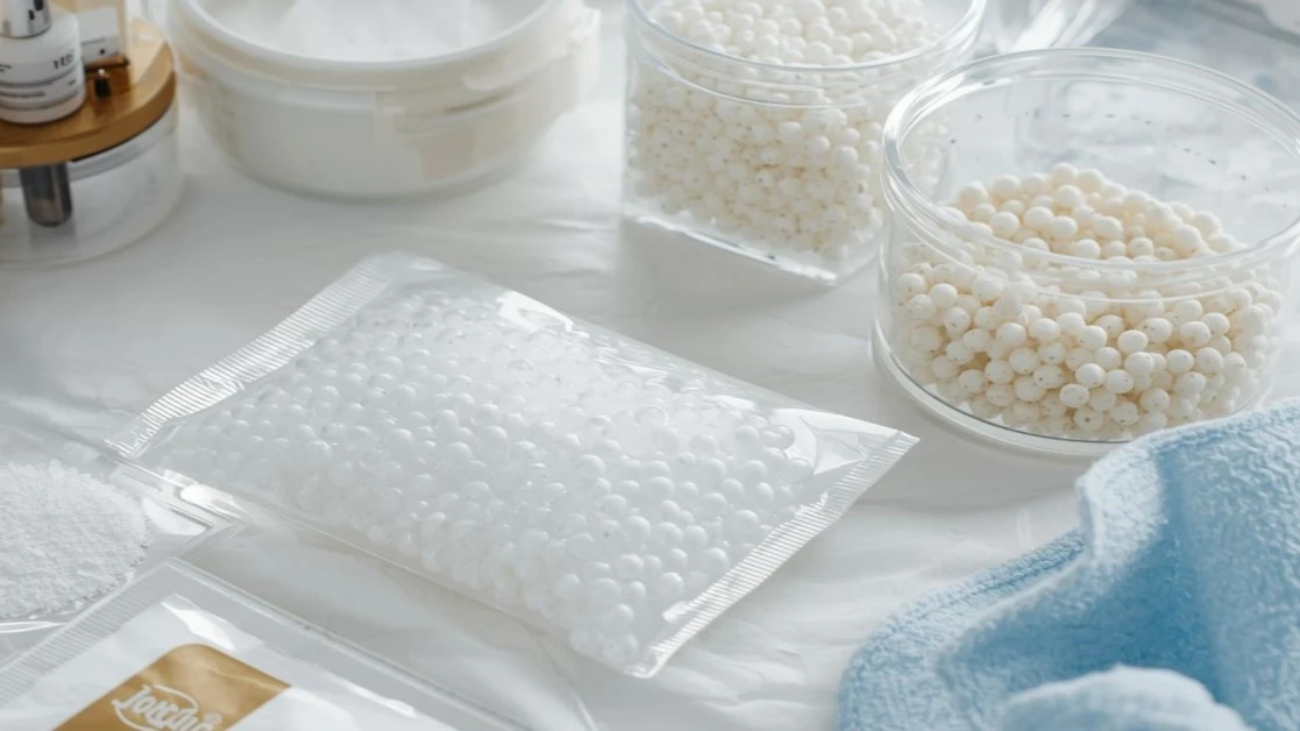
Silica gel is a porous and granular form of silicon dioxide (SiO₂) designed to adsorb moisture from the surrounding environment. Due to its high surface area and strong adsorption capability, it is widely used as an industrial desiccant (moisture adsorber).

Unlike its name, silica gel is not a gel in liquid form, it is a solid material that effectively traps and holds moisture molecules, preventing humidity related damage.

How Silica Gel Works?

Silica gel works through a process called adsorption, where moisture molecules adhere to the surface of the silica beads without changing their structure.

This makes it ideal for:

  • Preventing corrosion
  • Avoiding mold and mildew growth
  • Extending product shelf life
  • Protecting sensitive materials during shipping and storage

Applications of Silica Gel

Silica gel is widely used across multiple industries in the UAE and GCC due to high humidity conditions and strict product quality requirements.

Electronics Industry

Silica gel protects electronic components from moisture damage, which can lead to:

  • Corrosion of metal parts
  • Short circuits
  • Device malfunction

It is commonly used in packaging for:

  • Circuit boards
  • Sensors
  • Batteries
  • Semiconductor components

Pharmaceuticals Industry

In pharmaceutical packaging, moisture control is essential to maintain drug effectiveness and stability.

Silica gel helps prevent:

  • Tablet degradation
  • Powder clumping
  • Loss of potency

It ensures medicines remain safe and effective throughout their shelf life.

Food Packaging Industry

Food grade silica gel is widely used to maintain dryness in packaged foods.

It helps protect:

  • Snacks
  • Spices
  • Dry fruits
  • Dehydrated food products

Learn More About Silica Gel Uses in Food Industry

Benefits include:

  • Longer shelf life
  • Prevention of mold growth
  • Preservation of taste and texture

Leather Goods Industry

Leather products are highly sensitive to humidity.

Silica gel helps protect:

  • Shoes
  • Bags
  • Jackets
  • Luxury accessories

It prevents:

  • Mold formation
  • Material degradation
  • Odor development

Industrial and Logistics Applications

Silica gel is widely used in:

  • Shipping containers
  • Oil and gas equipment storage
  • Paints and coatings
  • Industrial machinery packaging

It ensures safe transport across humid regions like the GCC.

Types of Silica Gel

Different industries require different forms of silica gel based on safety, performance and visibility needs.

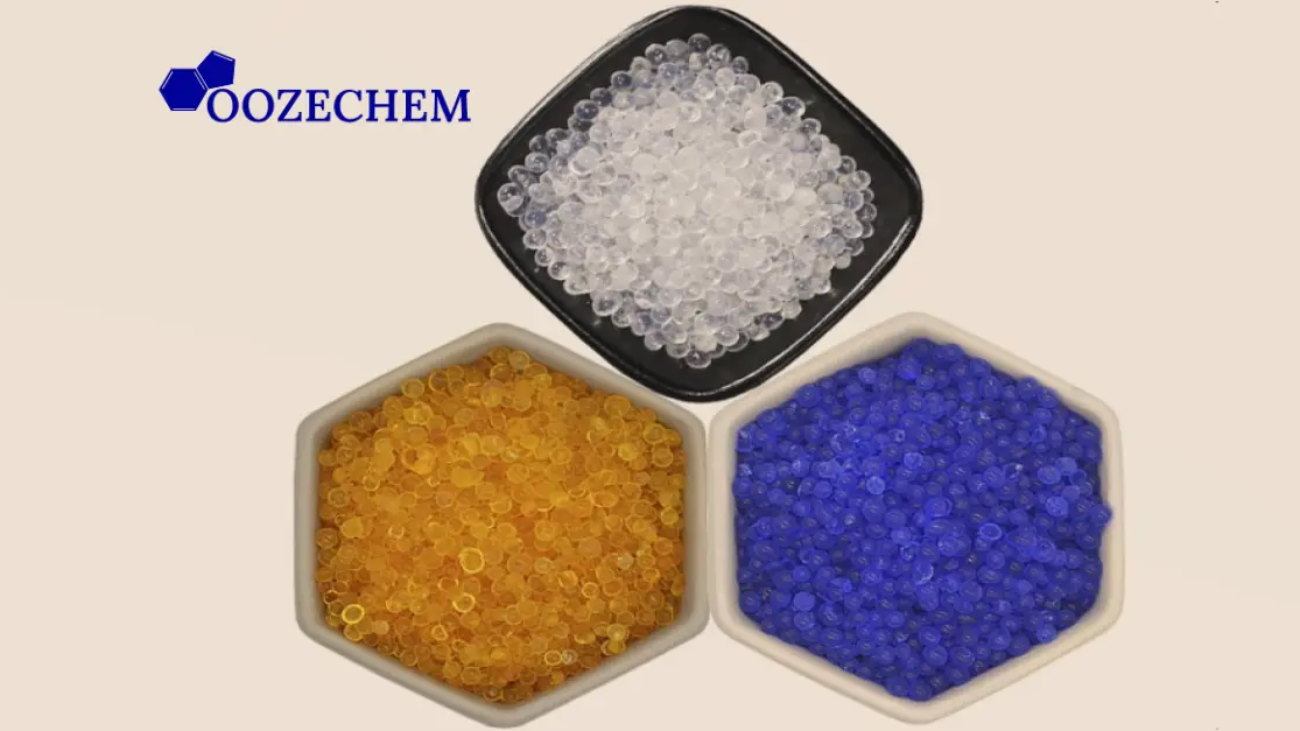
White Silica Gel

  • Most commonly used form
  • Non indicating (no color change)
  • Ideal for general industrial use

Blue Silica Gel

  • Changes from blue to pink when saturated
  • Contains moisture indicator (cobalt chloride)
  • Used for monitoring humidity levels
  • Not recommended for food applications

Orange Silica Gel

  • Safe, non toxic alternative
  • Changes from orange to green/clear
  • Widely used in food and pharmaceutical industries

Grey Silica Gel

  • Industrial grade moisture adsorber
  • Used in bulk storage and shipping containers
  • Suitable for large scale applications

Why is Silica Gel Essential in UAE and GCC Markets?

The UAE and GCC region experience high humidity and extreme temperature variations, making moisture control essential for product protection.

Silica gel is widely used due to:

  • Strong industrial and manufacturing sectors
  • High dependency on imports and logistics
  • Humid climate conditions
  • Strict quality and safety regulations

Industries across Dubai and the GCC rely heavily on reliable silica gel suppliers in UAE to maintain product integrity during storage and transit.

Key Factors When Choosing Silica Gel Suppliers in UAE

Selecting the right supplier ensures consistent quality and performance.

FactorImportance
Product QualityHigh adsorption capacity and purity
Product RangeBeads, packets and bulk forms
Supply ReliabilityOn time bulk delivery
CustomizationPackaging and branding options
ComplianceISO, FDA (food/pharma grade) standards
PricingCompetitive and cost effective
Technical SupportProduct guidance and assistance
GCC DistributionFast delivery across UAE and GCC

Why Choose Oozechem as Your Silica Gel Supplier in UAE?

Oozechem is a trusted supplier of high performance silica gel desiccants in UAE, serving industries across Dubai and the wider GCC region.

We offer:

  • High quality moisture adsorbing silica gel products
  • Food grade, pharmaceutical grade and industrial grade solutions
  • Bulk supply capabilities for large scale industries
  • Custom packaging and tailored solutions
  • Reliable distribution across UAE, Saudi Arabia, Qatar, Oman, Bahrain and Kuwait

Our commitment is to deliver consistent quality, reliable supply and industry specific moisture control solutions.

👉 For more details, visit our official website and explore our silica gel solutions.

Frequently Asked Questions (FAQs)

1. What is silica gel used for?

Silica gel is used to control moisture and protect products from humidity damage in industries like electronics, pharmaceuticals, food and logistics.

2. Can silica gel be reused?

Yes, some types of silica gel can be regenerated by heating, depending on product specifications.

3. Is silica gel safe for food packaging?

Yes, food grade silica gel is safe and commonly used in food packaging to maintain dryness and freshness.

4. Do you supply silica gel in bulk?

Yes, Oozechem supplies both bulk and small packaging solutions depending on industry requirements.

Conclusion

Silica gel is an essential moisture control solution that plays a vital role in protecting sensitive products across multiple industries. In a climate like the UAE and GCC, where humidity levels are high, choosing the right silica gel supplier in UAE is critical for ensuring product quality and longevity.

With its high quality standards, diverse product range and reliable supply chain, Oozechem stands as a trusted partner for silica gel solutions across Dubai and the GCC region.

Silica Gel for Food Packaging

Silica Gel for Food Packaging: Moisture Control

Moisture control plays a critical role in preserving food quality, extending shelf life, and maintaining product freshness throughout the supply chain. Food-grade silica gel is widely used as a desiccant solution to protect packaged foods from humidity-related damage while supporting food safety and quality standards.

At OozeChem.com, we provide food-grade silica gel solutions specifically designed for packaging applications, ensuring optimal moisture control while maintaining the highest safety standards for food contact materials.

Understanding Silica Gel Properties and Food Safety

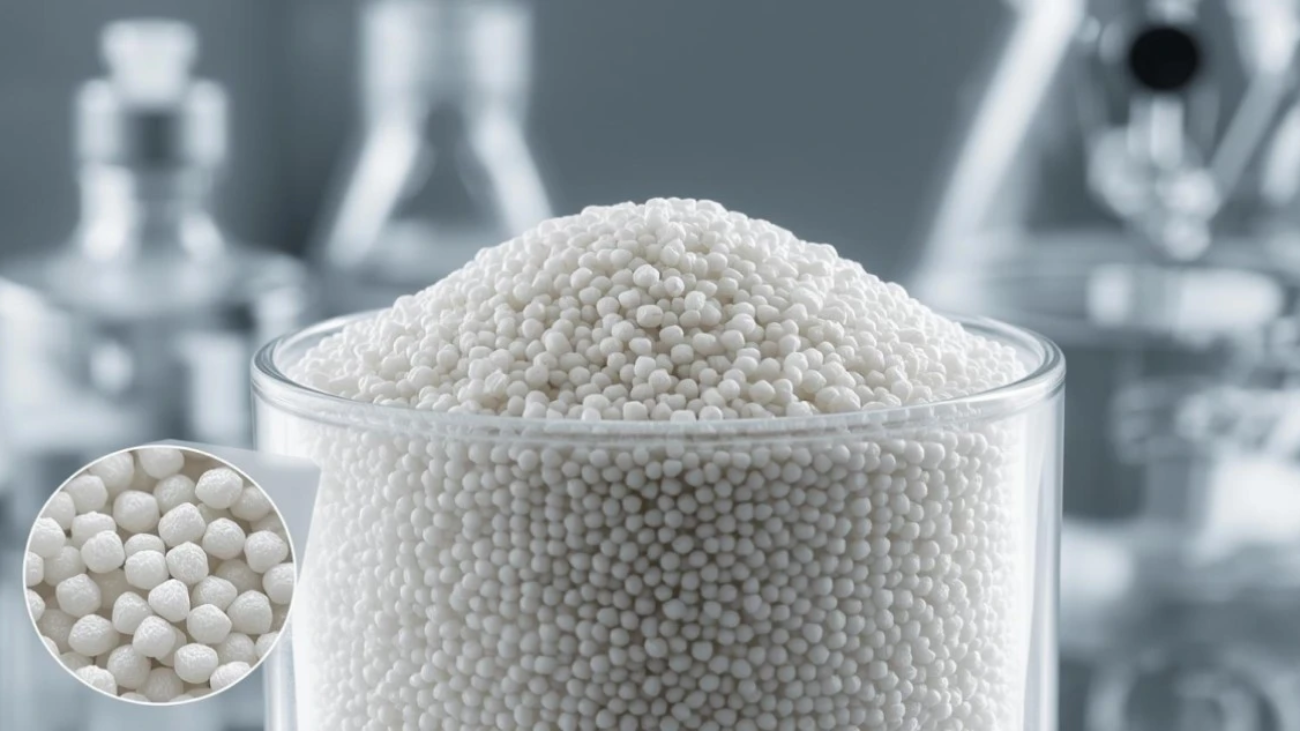
Silica gel is a highly porous, synthetic form of silicon dioxide that exhibits exceptional moisture adsorption capabilities. The unique structure of silica gel creates millions of tiny pores that trap water molecules, making it ideal for various uses for silica gel packages in food preservation applications.

PropertyFood Grade Silica GelIndustrial GradeIndicating Silica Gel
Purity Level>99.5% SiO₂>98% SiO₂>98% SiO₂ + indicator
Moisture Capacity35-40% by weight30-35% by weight30-35% by weight
FDA ApprovalYes (21 CFR 182.90)NoNo
Particle Size1-5mm typical0.5-8mm variable1-5mm typical
Color IndicationNone (colorless)NoneBlue to pink change
Food Contact SafeYesNoNo (toxic indicator)
Regeneration Temp120-150°C100-200°C100-150°C

Food-grade silica gel must meet strict purity standards and regulatory requirements to ensure safety when used in direct or indirect food contact applications. The FDA-approved status of food-grade silica gel makes it suitable for silica gel for packaging applications where accidental ingestion might occur.

Why Silica Gel is Preferred for Food Packaging

  • High moisture adsorption capacity
  • Food-safe and non-toxic grades available
  • Cost-effective moisture protection
  • Long shelf life
  • Suitable for various packaging formats
  • Easy integration into existing packaging systems

Common Food Products Protected by Silica Gel

The diverse uses for silica gel packages span across multiple food categories, each requiring specific moisture control strategies to maintain product integrity and consumer safety. Understanding these applications helps manufacturers select appropriate silica gel solutions for their specific packaging needs.

Dry Food Products

Silica gel for food packaging plays a crucial role in protecting dry foods including cereals, crackers, nuts, dried fruits, and snack foods. These products are particularly susceptible to moisture adsorption that can lead to staleness, texture changes, and microbial growth.

Common Dry Food Applications:

  • Breakfast Cereals – Maintaining crispness and preventing sogginess
  • Crackers and Cookies – Preserving texture and preventing staleness
  • Nuts and Seeds – Preventing rancidity and maintaining freshness
  • Dried Fruits – Avoiding clumping and sugar crystallization
  • Pet Food – Maintaining nutritional value and preventing mold
Dry Food Products packing

Pharmaceutical and Nutraceutical Products

The pharmaceutical industry extensively utilizes silica gel for packaging moisture-sensitive medications, vitamins, and dietary supplements. These applications require the highest purity grades to ensure product efficacy and consumer safety.

Product CategoryPackage SizeSilica Gel AmountMoisture Target
Vitamin Bottles100-500 tablets1-2g packets<5% RH
Medicine Bottles30-100 capsules0.5-1g packets<10% RH
Supplement Jars60-180 tablets1-3g packets<8% RH
Powder Medications50-250g containers2-5g packets<5% RH
Herbal ProductsVariable sizes1-4g packets<10% RH

Specialty Food Categories

Certain food categories require specialized silica gel for food packaging solutions due to unique moisture sensitivity characteristics. These applications often demand custom packaging designs and specific silica gel configurations.

Specialty Applications:

  • Powdered Products – Preventing caking in spices, protein powders, and baking mixes
  • Confectionery Items – Maintaining texture in chocolates, candies, and gummies
  • Dried Meats – Preserving jerky and dried meat products
  • Tea and Coffee – Protecting flavor compounds and preventing staleness
  • Seasoning Packets – Maintaining free-flowing properties in salt and spice blends

Types of Silica Gel Packaging Systems

Various packaging configurations enable effective silica gel for packaging applications across different food products and storage conditions. Understanding these options helps manufacturers select the most appropriate moisture control solution for their specific requirements.

Packet Systems

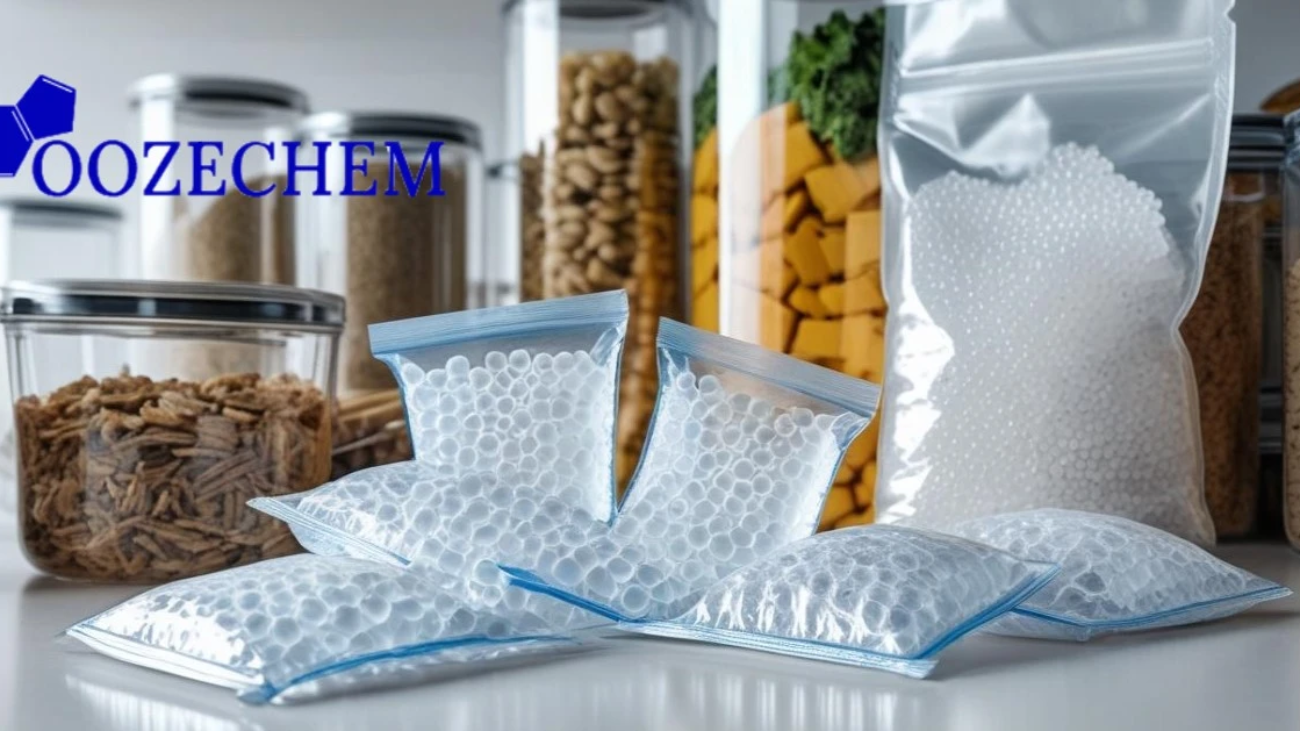
Pre-sealed silica gel packets represent the most common silica gel for packaging application, offering convenient, portion-controlled moisture adsorption for individual food packages. These packets come in various sizes and materials to suit different product requirements.

Packet Specifications:

  • Tyvek Packets – Breathable, tear-resistant material for general applications
  • Non-Woven Fabric – Cost-effective option for basic moisture control
  • Paper Packets – Biodegradable option for environmentally conscious brands
  • Plastic Film – Superior moisture barrier for extended protection

Canister Systems

Larger food packaging applications utilize canister-style silica gel systems that provide high-capacity moisture control for bulk products or long-term storage applications. These systems offer refillable options and enhanced moisture adsorption capabilities.

Canister System

Integrated Packaging Solutions

Advanced packaging designs incorporate silica gel directly into packaging materials or closure systems, providing seamless moisture control without visible desiccant packets. These solutions offer aesthetic advantages while maintaining effective moisture protection.

International Standards and Certifications

Global food packaging applications require compliance with various international standards including EU regulations, Japanese food contact materials standards, and other regional requirements.

RegionRegulationKey RequirementsTesting Standards
United States21 CFR 182.90Purity, migration limitsFDA methods
European UnionEU 10/2011Overall migration, specific limitsEN standards
JapanFood Sanitation LawPurity, contaminant limitsJapanese standards
CanadaFDR Division 23Food contact complianceHealth Canada methods
AustraliaFSANZ CodeFood contact safetyAustralian standards

Environmental Conditions

Storage and distribution environments significantly impact silica gel performance and selection requirements. Understanding these conditions helps optimize desiccant specifications for maximum effectiveness.

Environmental Considerations:

  • Relative Humidity – Ambient moisture levels during storage
  • Temperature Fluctuations – Thermal cycling effects on moisture migration
  • Seasonal Variations – Climate changes affecting packaging performance
  • Transportation Conditions – Shipping environment impacts
  • Storage Facilities – Warehouse conditions and climate control

Quality Control and Testing Procedures

Maintaining consistent performance in silica gel for packaging applications requires comprehensive quality control procedures covering moisture adsorption capacity, purity verification, and safety testing. These procedures ensure reliable protection and regulatory compliance.

Performance Testing Methods

Standard testing methods verify silica gel performance characteristics including moisture adsorption capacity, adsorption kinetics, and regeneration properties. Regular testing ensures consistent product quality and effectiveness.

Test ParameterMethodAcceptance CriteriaTesting Frequency
Moisture CapacityASTM D2187>35% at 90% RHEvery batch
Purity AnalysisICP-MS>99.5% SiO₂Monthly
Particle SizeSieve analysisPer specificationWeekly
Heavy MetalsICP-MSFDA limitsQuarterly
Microbial TestingUSP methods<100 CFU/gMonthly
Package IntegrityVisual/mechanicalNo defectsContinuous

Frequently Asked Questions

Is silica gel safe for food packaging?
Food-grade silica gel is considered safe when manufactured according to FDA and food-contact regulations.

Can silica gel packets touch food directly?
Food-grade silica gel is commonly used inside food packaging, but packets should not be opened or consumed.

What foods commonly use silica gel packets?
Snack foods, spices, dried fruits, supplements, vitamins, tea, coffee, and powdered products often use silica gel for moisture control.

How long does silica gel last in food packaging?
Performance depends on humidity levels, packaging quality, and storage conditions, but silica gel can remain effective for extended periods.

Conclusion

Food-grade silica gel remains one of the most effective moisture control solutions for protecting packaged foods, supplements, and other moisture-sensitive products during storage and transportation.

At OozeChem.com, we provide comprehensive silica gel for food packaging solutions backed by technical expertise and regulatory knowledge. Our commitment to quality and safety ensures that you receive the most appropriate moisture control solutions for your specific packaging applications, supported by reliable supply chains and professional guidance that enables successful project outcomes and long-term customer satisfaction.

Our Range of Silica Gel Desiccants

Looking for other moisture control and adsorption solutions? Explore our complete range of Silica Gel Desiccants includes:

uses of calcium hypochlorite

Calcium Hypochlorite Uses in UAE and Gulf Industries

Calcium hypochlorite is one of the most widely used chlorine-based disinfectants and water treatment chemicals. Its broad range of industrial uses includes water disinfection, swimming pool sanitation, food processing hygiene, agricultural water treatment, and pharmaceutical facility sanitation.

It is mainly used for water disinfection, swimming pool sanitation, food industry hygiene, textile-related bleaching support, agricultural water sanitation, and pharmaceutical-area disinfection support. In hot-climate markets like the UAE, Saudi Arabia, Oman, Qatar, Kuwait, and Bahrain, these applications are especially important because water quality, facility hygiene, and storage stability are critical.

At OozeChem, calcium hypochlorite is supplied in forms such as powder and for applications including municipal water treatment, industrial water systems, swimming pool chlorination, and agricultural sanitation, with supply support across the UAE and Gulf countries.

Why Calcium Hypochlorite Is Important in the UAE & Gulf Region?

The GCC market has unique operating conditions that make calcium hypochlorite especially relevant. High temperatures, year round pool usage, large scale water storage, remote project sites, labor accommodations, hospitality properties, and industrial sanitation demands all increase the need for dependable chlorine based disinfection.

OozeChem positions its powdered calcium hypochlorite as suitable for industrial, water treatment, and commercial applications across the UAE and Gulf, with typical industrial grade available chlorine around 65–70% and packaging such as 25 kg and 45 kg drums.

Types of Calcium Hypochlorite for UAE and GCC

Different industries prefer different product forms depending on storage, handling, dosing, and application requirements. OozeChem’s live calcium hypochlorite content confirms offerings positioned for UAE and Gulf industrial, municipal, and commercial use, including water treatment, pools, and agricultural applications.

Powdered Calcium Hypochlorite

Powdered calcium hypochlorite is a fine, highly concentrated chlorine based disinfectant known for its rapid dissolution and immediate sanitizing action. Due to its ultra fine particle size, it dissolves quickly in water, making it highly effective for fast disinfection in emergency and large-scale water treatment systems. It typically contains around 65–70% available chlorine, ensuring strong antimicrobial performance across industrial and municipal applications. This form is widely used in municipal water treatment plants, industrial cooling systems, wastewater treatment, and swimming pool shock treatments. 

Explore high performance powder calcium hypochlorite solutions for disinfection!

Granular Calcium Hypochlorite

Granular calcium hypochlorite is one of the most widely used and versatile forms due to its balanced dissolution rate and ease of handling. This form is commonly used in swimming pool sanitation, drinking water treatment, industrial water systems, and wastewater disinfection. Its ability to be applied directly or pre-dissolved into a solution makes it highly flexible for different dosing systems. Granular calcium hypochlorite is especially preferred for large-scale applications because it is easier to measure, store, and transport compared to powder.

Discover versatile granular Calcium Hypochlorite solutions for industrial and water treatment needs!

Calcium Hypochlorite Tablets

Calcium hypochlorite tablets are compressed solid forms designed for slow and controlled chlorine release, making them ideal for continuous disinfection systems. These tablets dissolve gradually in water, providing a steady supply of chlorine over time, which helps maintain consistent sanitation levels without frequent manual dosing. They are widely used in swimming pools, water storage tanks, irrigation systems, and drinking water disinfection setups, especially where automated feeders or dosing systems are installed. Tablets are also popular due to their low dust formation, ease of handling, and longer shelf life compared to powder or granules.

Ensure consistent disinfection with Calcium Hypochlorite tablet solutions!

Calcium Hypochlorite Briquettes

Calcium hypochlorite briquettes are larger compressed blocks similar to tablets but designed for industrial scale applications requiring long lasting and uniform chlorine dosing. These briquettes are engineered to dissolve slowly, providing extended disinfection over longer periods, making them ideal for automated chlorination systems.They are commonly used in municipal water treatment plants, industrial water systems, cooling towers, and continuous flow systems, where maintaining a stable chlorine level is critical. Their larger size reduces the need for frequent replacement, making them cost effective for large operations.

Optimize large scale water treatment with durable Calcium Hypochlorite briquette solutions!

Water treatment is the largest and most commercially significant applications of calcium hypochlorite in UAE and Gulf region. It is used in municipal water systems, storage tanks, pipelines, and industrial water treatment units to control bacteria, viruses, algae, and other microorganisms.

Calcium Hypochlorite Uses

Water Disinfection and Treatment

In practical operations, calcium hypochlorite is applied for:

  • Drinking water chlorination
  • Underground and overhead tank disinfection
  • Pipeline and distribution system sanitation
  • Emergency water purification systems

Its solid form allows easy storage and dosing, especially in regions where transporting liquid chlorine is less practical. The product is commonly used in 25 kg and 45 kg drums for bulk treatment operations.

 For detailed industrial  water treatment applications of calcium hypochlorite.

Swimming Pool and Recreational Water Treatment

In the UAE and GCC, calcium hypochlorite is extensively used in commercial and residential swimming pools, including hotels, resorts, residential compounds, water parks, and sports facilities.

It is applied for:

  • Routine pool chlorination
  • Shock treatment (high dose disinfection)
  • Algae control and water clarity maintenance
  • Spa and recreational water sanitation

The demand remains consistent due to year round pool usage in the region. Calcium hypochlorite is preferred because it delivers high chlorine output and fast microbial control, making it suitable for both routine maintenance and corrective treatment cycles.

View pool specific applications of calcium Hypochlorite

Food Processing Industry Disinfection

In the food and beverage processing sector, calcium hypochlorite is used as part of sanitation and hygiene control systems within regulated industrial environments.

Its applications include:

  • Disinfection of processing equipment and production lines
  • Cleaning of food contact surfaces (under controlled dilution)
  • Sanitation of floors, drains, and facility infrastructure
  • Water disinfection used in processing operations

In GCC food industries, maintaining hygiene is critical due to high production volumes and strict regulatory standards. Calcium hypochlorite  supports microbial control programs when used according to approved concentration levels and safety protocols.

 Explore food industry applications of  Calcium hypochlorite. 

Textile Industry Applications

calcium hypochlorite is used in oxidation and bleaching operations, particularly in processes where fabric whitening, stain removal, and color preparation are required.

Typical industrial uses include:

  • Bleaching of cotton and textile fibers
  • Removal of organic stains and impurities
  • Pre-treatment in dyeing processes
  • Sanitation support in industrial laundries

Its role in the textile sector is process dependent and varies based on fabric type, concentration levels, and production requirements. In GCC markets, it is commonly used in industrial textile processing units and large scale laundry operations.

See textile use cases  of Calcium Hypoclorite.

Agriculture and Irrigation Systems

Calcium hypochlorite is primarily used for water system disinfection and infrastructure hygiene, rather than direct crop treatment.

Key applications include:

  • Irrigation water disinfection
  • Greenhouse and hydroponic system sanitation
  • Livestock drinking water treatment
  • Aquaculture water management

In hot climates like the UAE and GCC, maintaining clean water systems is critical to prevent microbial growth, biofilm formation, and contamination in irrigation networks. Calcium hypochlorite supports consistent water quality across agricultural operations.

 Learn about agricultural solutions with Calcium Hypochlorite.

Pharmaceutical and Healthcare Facility Use

In pharmaceutical environments, calcium hypochlorite is used in facility sanitation and controlled disinfection systems, not as a medicinal product.

Its applications include:

  • Cleanroom and surface disinfection
  • Water system sanitation (utility water)
  • Equipment and production area cleaning
  • Controlled environmental hygiene programs

Pharmaceutical manufacturing in the GCC operates under strict hygiene and contamination control standards, where approved disinfectants are used as part of validated cleaning protocols.

View pharmaceutical applications of Calcium Hypochlorite.

Calcium Hypochlorite vs Sodium Hypochlorite

FeatureCalcium HypochloriteSodium Hypochlorite
FormSolidLiquid
Chlorine ContentHigherLower
Storage LifeLongerShorter
TransportationEasierMore Difficult

Frequently Asked Questions About Calcium Hypochlorite Uses

What is calcium hypochlorite used for?

Calcium hypochlorite is mainly used for water disinfection, swimming pool sanitation, food processing hygiene support, textile related bleaching support, agricultural water sanitation, and pharmaceutical area disinfection support.

Is calcium hypochlorite used in water treatment?

Yes, calcium hypochlorite used in water treatment is one of its most important applications in

Can I use calcium hypochlorite in my pool?

Yes, in many cases it is widely used for pool chlorination and shock treatment, especially in residential and commercial pools, when proper dosing and pool chemistry practices are followed.

How to use calcium hypochlorite in swimming pools?

It should be used according to pool size, chlorine demand, water condition, and supplier guidance, with proper testing and safe handling at all times.

What is calcium hypochlorite granular used for?

Granular calcium hypochlorite is commonly used for water disinfection, pool chlorination, tank sanitation, and general industrial or facility hygiene applications.

How to disinfect water using calcium hypochlorite?

The correct dose depends on water quality, target chlorine residual, contact time, and system requirements. For drinking water, always follow technical guidance and applicable standards.

What are the main calcium hypochlorite industrial uses?

The main calcium hypochlorite industrial uses include water sanitation, pool treatment, food processing hygiene support, textile bleaching support, agricultural system disinfection, and pharmaceutical area sanitation support.

Are there calcium hypochlorite medical uses?

The phrase calcium hypochlorite medical uses usually refers to sanitation support in healthcare or pharmaceutical environments rather than direct medical treatment use.

Conclusion

From water disinfection and swimming pool sanitation to food processing, textile, agriculture, and pharmaceutical industry support, these are the most practical and commercially relevant uses of calcium hypochlorite for your target market.

Ammonia Removal

Ammonia Removal from Air

Ammonia (NH₃) is a common yet hazardous gas released from industrial processes such as fertilizers, petrochemicals, wastewater treatment, cold storage, and livestock facilities. In the UAE and Gulf region, where high temperatures, enclosed industrial spaces, and strict environmental regulations coexist, effective ammonia (NH₃) removal from air is not optional, it is critical for safety, compliance, and operational efficiency.

This article explores the best methods to remove ammonia from air in UAE, with a focused comparison between impregnated activated carbon and molecular sieve technologies, helping industries choose the right ammonia air purification solution.

Why Ammonia Removal from Air and Gas Is Critical in the Gulf Region?

Industries across the Gulf Region such as Chemical Industries in UAE, Chemical Industries in KSA, Chemical Industries in Qatar,Chemical Industries in Oman,and Chemical Industries in Kuwait:

  • High ambient temperatures increase ammonia volatility
  • Enclosed industrial environments intensify odor and exposure risks
  • Strict environmental and occupational safety regulations
  • Growing demand for ammonia air pollution control

Uncontrolled ammonia can cause:

  • Respiratory irritation and health hazards
  • Corrosion of equipment
  • Workplace odor issues
  • Non-compliance with environmental standards

This is why industrial ammonia removal solutions are widely deployed in the region.

Common Ammonia Gas Purification Methods

Before comparing materials, it’s important to understand the broader ammonia gas purification methods used in industrial air treatment:

  • Adsorption using solid media
  • Wet scrubber systems for ammonia gas removal
  • Biofiltration for ammonia removal
  • Chemical neutralization
  • Specialized NH₃ gas treatment equipment

Among these, adsorption based systems using activated carbon or molecular sieve are preferred for continuous, dry, and low maintenance operations.

Impregnated Activated Carbon for Ammonia Removal

How It Works

Standard activated carbon is enhanced by chemical impregnation typically with acidic compounds to react with ammonia gas. This creates acid impregnated carbon for NH₃, allowing ammonia to be chemically neutralized and permanently retained.

This explains how impregnated activated carbon neutralizes ammonia gas rather than merely trapping it.

Learn more about Activated Carbon

Key Advantages

  • Highly effective for ammonia odor control in facilities
  • Works well at ambient Gulf temperatures
  • Ideal for low to moderate ammonia concentrations
  • Suitable for retrofit air purification systems
  • Cost effective for large air volumes

Typical Applications in UAE & GCC

  • Ammonia removal from industrial exhaust air
  • Cold storage and refrigeration plants
  • Fertilizer manufacturing units
  • Chemical warehouses
  • Wastewater ventilation ammonia removal

Because of its versatility, impregnated activated carbon for ammonia removal is widely used in air filter media for ammonia odor and gas control across the Gulf.

Molecular Sieve for Ammonia Removal

How Molecular Sieve Work?

Molecular sieve are crystalline aluminosilicates with uniform pore sizes. Certain grades especially 13X molecular sieve can selectively adsorb ammonia molecules through physical adsorption.

13X molecular sieve being one of the most widely used options. This grade possesses a pore size that is well suited for capturing ammonia (NH₃) molecules through physical adsorption, a process driven by electrostatic attraction rather than chemical reaction. Under dry and controlled operating conditions, 13X molecular sieve for ammonia adsorption delivers high efficiency and consistent performance, making it suitable for specialized industrial applications where precise gas purification is required. However, its effectiveness depends heavily on maintaining low moisture levels and stable temperatures to prevent competition from water vapor and ensure optimal adsorption capacity.

Read more about 13x Molecular Sieve 

Key Advantages

  • High adsorption capacity for NH₃
  • Precise gas separation
  • Suitable for dry, controlled gas streams
  • Reusable through regeneration

Limitations in Gulf Conditions

While molecular sieve are powerful, they are sensitive to:

  • High humidity
  • Moisture rich air streams
  • Temperature fluctuations

This can limit their effectiveness in open or humid environments commonly found in the UAE and coastal Gulf regions.

Typical Applications

  • Enclosed process gas streams
  • High purity industrial gas purification
  • Specialized NH₃ gas treatment equipment

Activated Carbon vs Molecular Sieve for Ammonia Air Purification

FeatureActivated CarbonMolecular Sieve
Removal MechanismChemical adsorptionPhysical adsorption
Humidity ToleranceHighLow
Best for Odor ControlExcellentModerate
Gulf Climate SuitabilityVery highModerate
MaintenanceLowMedium
RegenerationLimitedYes
Cost EfficiencyHighMedium to high

For most industrial ammonia air purification needs in the GCC, activated carbon systems are more adaptable and cost efficient.

Choosing the Best Method to Remove Ammonia from Air in Industrial Settings

The best solution depends on:

  • Ammonia concentration levels
  • Airflow volume
  • Humidity and temperature
  • Regulatory requirements
  • Budget and maintenance capability

In many Gulf facilities, hybrid systems are also used:

  • Activated carbon filters for odor control
  • Wet scrubber systems for ammonia gas removal in high concentrations
  • Biofiltration for ammonia removal in agricultural settings

Conclusion

For most UAE and Gulf industrial environments, impregnated activated carbon offers the most practical and reliable solution for ammonia (NH₃) removal from air due to its humidity tolerance, odor control efficiency, and cost effectiveness.

Molecular sieve remain valuable for specialized, dry gas applications, but for general industrial ammonia removal solutions, activated carbon remains the preferred choice.

Need Expert Guidance?

If you’re evaluating how to get rid of ammonia in air for your facility in the UAE or GCC, selecting the right media and system design is critical. 

Contact OOZECHEM Industrial Solutions!

Carbon Molecular Sieve for N2PSA

What is Carbon Molecular Sieve?

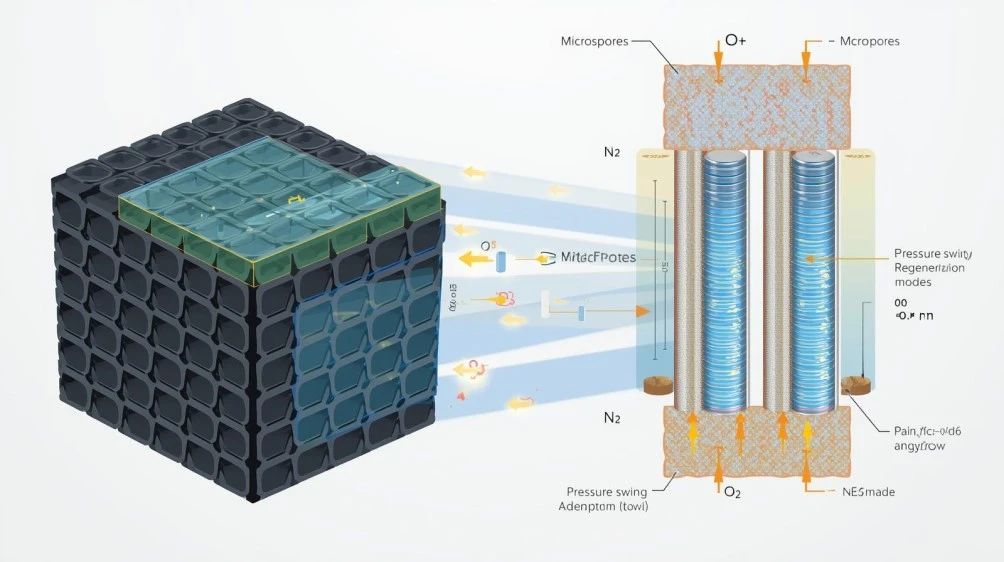
What is Carbon Molecular Sieve is a common question among industries seeking efficient solutions for high purity gas separation and nitrogen generation. Carbon molecular sieve (CMS) is a porous carbon material with a microporous structure that allows it to separate oxygen and nitrogen from air based on molecular pore sieving and kinetic diffusion. It plays a critical role in modern PSA nitrogen generator systems, delivering consistent and high purity nitrogen for various industrial applications.

At Oozechem, we supply high quality carbon molecular sieve adsorbent for efficient gas separation, oxygen adsorption, and long term performance in pressure swing adsorption (PSA) systems.

Types of Carbon Molecular Sieve

At Oozechem, our CMS product range is engineered to meet different nitrogen purity, throughput, and operational stability demands. Below are key types and their distinguishing features:

CMS-220

  • Designed with a uniform microporous structure and high kinetic selectivity.
  • Optimized for moderate nitrogen purity levels (often 95 %+).
  • Offers good mechanical strength, consistent performance, and reliable oxygen adsorption capability.
  • Ideal Grade of CMS for PSA nitrogen generator applications.

CMS-240

  • Engineered for higher nitrogen purity (e.g. 99 % and up) with improved oxygen / nitrogen separation performance.
  • Features balanced pore distribution to maintain throughput while increasing selectivity.
  • Suitable for systems operating with faster cycles and stricter purity demands.

CMS-260

  • High end grade targeted at ultra high purity nitrogen applications (e.g. semiconductor, pharmaceutical).
  • Exceptional  cms adsorption efficiency and non polar carbon properties.
  • Built for long life, excellent cms regeneration, and stable operation under variable loads.

Applications and Uses of Carbon Molecular Sieve

Industry / SectorApplicationPurpose / Benefit
Food & BeverageModified atmosphere packaging, storage, and preservationExtends shelf life by reducing oxygen levels
Electronics & SemiconductorNitrogen blanketing and controlled environmentsPrevents oxidation and moisture damage during manufacturing
Chemical ProcessingNitrogen supply for reactors and storage tanksEnsures safe, inert atmosphere and prevents unwanted reactions
Metallurgy & Heat TreatmentFurnace purging and protective atmosphereReduces scaling and oxidation of metal surfaces
Pharmaceutical IndustryControlled nitrogen environments for productionMaintains product purity and quality
Oil & Gas IndustryPipeline purging, well operations, and blanketingPrevents explosions and corrosion
Laboratories & ResearchHigh purity nitrogen generation for experimentsEnsures accurate and reliable results
Automotive IndustryTire inflation and component manufacturingImproves safety, stability, and performance
Water TreatmentInerting and degassing systemsEnhances system safety and operational control

How CMS Regeneration Works in PSA

The CMS regeneration process is a key part of the Pressure Swing Adsorption (PSA) system that ensures continuous and efficient nitrogen production. In the adsorption phase, clean compressed air enters the CMS bed at high pressure. Oxygen molecules are adsorbed into the microporous structure, while nitrogen passes through as the product gas.

When the CMS bed becomes saturated, the system switches to another bed to keep the process running. The saturated bed is then depressurized in the regeneration phase, releasing the trapped oxygen and restoring the adsorbent. After a quick repressurization, it’s ready for the next cycle.

Learn more about the latest advancements in CMS regeneration technology in our blog: Innovation in CMS Transforming Nitrogen Plants.

PSA for nitrogen Purification

FAQs

Q1: What is Carbon Molecular Sieve used for?

A: It’s mainly used in air separation to produce high purity nitrogen for industries like food, chemical, and electronics.

Q2: How does CMS separate oxygen and nitrogen?

 A: It uses molecular pore sieving — oxygen diffuses into its microporous structure faster, allowing nitrogen to pass through as the product gas.

Q3: Can CMS be regenerated?

 A: Yes, cms regeneration happens during pressure swing adsorption (PSA), extending the material’s lifespan and reducing operational costs.

Q4: What makes CMS different from other adsorbents?

 A: Its non polar carbon surface, microporous structure, and high adsorption capacity make it ideal for selective gas separation.

Conclusion

Carbon molecular sieve is a vital material in modern PSA nitrogen generator systems, enabling industries to separate oxygen and nitrogen efficiently and produce high purity nitrogen on demand. With its microporous structure, cms adsorption properties, and easy cms regeneration, it delivers both performance and cost savings.

Oozechem as a trusted carbon molecular sieve supplier in the UAE  provides premium quality carbon molecular sieve adsorbents designed for industrial reliability and long service life.

Explore More:

Water Treatment Chemicals

Guide to Water Treatment Chemicals Types

The Gulf region’s industrial water treatment landscape demands specialized water treatment chemicals solutions to combat challenges posed by extreme heat, high salinity, and aggressive scaling conditions that accelerate equipment degradation. OozeChem, a leading chemical supplier in the UAE, understands these regional water quality demands and provides comprehensive water treatment chemicals solutions, including advanced treatment compounds that support operational efficiency, equipment longevity, and regulatory compliance across diverse industrial sectors.

Understanding Water Treatment Chemistry Fundamentals

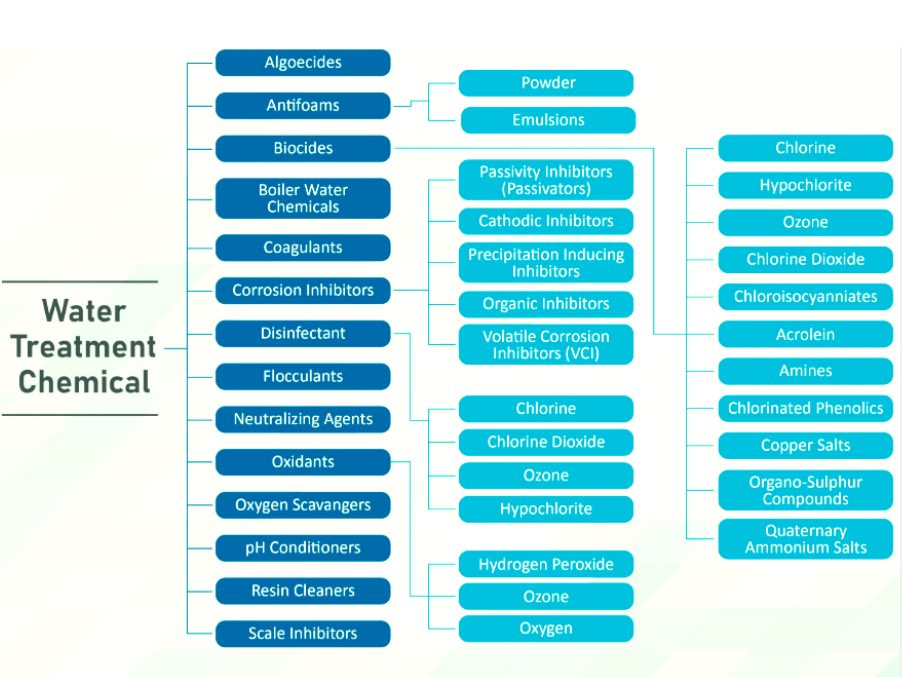
Water treatment chemicals work through various mechanisms including precipitation, coagulation, disinfection, and inhibition. These chemicals address specific water quality issues such as hardness, microbial contamination, corrosion, and scaling. The selection of appropriate chemicals depends on water source characteristics, system requirements, and intended use applications.

Modern industrial facilities require sophisticated water treatment strategies that balance effectiveness, cost efficiency, and environmental sustainability. The global water treatment chemicals market has evolved significantly, with manufacturers developing specialized formulations for specific industrial applications.

Essential Types of Water Treatment Chemicals

Water Treatment Chemicals

Coagulants and Flocculants

Coagulants such as aluminum sulfate, ferric chloride, and polyaluminum chloride neutralize suspended particles’ surface charges, enabling aggregation. Flocculants, including anionic, cationic, and nonionic polymers, bind these aggregated particles into larger flocs for easier removal through sedimentation or filtration.

These chemicals are particularly effective in treating turbid water, removing colloidal particles, and reducing total suspended solids. Industrial applications include municipal water treatment, mining operations, and manufacturing processes where water clarity is critical.

Biocides and Disinfectants

Microbiological control is essential for preventing biofilm formation, microbially influenced corrosion, and pathogen contamination. Oxidizing biocides like chlorine dioxide, sodium hypochlorite, and ozone provide broad spectrum antimicrobial activity, while non oxidizing biocides such as glutaraldehyde and isothiazolinones target specific microbial populations.

The selection between oxidizing and non oxidizing biocides depends on system compatibility, water chemistry, and target microorganisms. Many facilities implement alternating biocide programs to prevent microbial resistance development.

Disinfectants

Scale and Corrosion Inhibitors

Scale formation occurs when dissolved minerals exceed their solubility limits, forming deposits on heat transfer surfaces and reducing system efficiency. Phosphonate based inhibitors, polymeric dispersants, and threshold inhibitors prevent scale formation by interfering with crystal growth mechanisms.

Corrosion inhibitors protect metal surfaces through filming or passivation mechanisms. Common inhibitors include phosphates, molybdates, and organic filming amines. The choice depends on metallurgy, water chemistry, and operating conditions.

Specialized Applications and Chemical Selection

Boiler Water Treatment Systems

Boiler systems require specialized chemical treatment to prevent scale formation, oxygen corrosion, and carryover. Oxygen scavengers like sodium sulfite or hydrazine remove dissolved oxygen, while alkalinity builders maintain proper pH levels. Phosphate based programs provide scale control and internal treatment for lower pressure systems.

High pressure boiler systems typically employ all volatile treatment (AVT) or combined treatment programs using volatile amines and oxygen scavengers. These systems require precise chemical control to maintain water chemistry within narrow specifications.

Boiler System

Cooling Tower Chemical Programs

Cooling towers concentrate dissolved solids through evaporation, creating challenging water chemistry conditions. Comprehensive treatment programs include scale inhibitors, corrosion inhibitors, biocides, and biodispersants to maintain system efficiency and prevent biological growth.

Modern cooling tower programs often incorporate environmentally friendly formulations that reduce environmental impact while maintaining performance. Multi functional inhibitors combine scale and corrosion control in single products, simplifying chemical handling and reducing costs.

Reverse Osmosis and Membrane Systems

Membrane systems require specialized pretreatment chemicals to prevent fouling and maintain flux rates. Antiscalants prevent mineral precipitation, while biocides control biological growth. Cleaning chemicals including acids, bases, and surfactants remove accumulated foulants during maintenance cycles.

The selection of RO chemicals must consider membrane compatibility, feedwater quality, and environmental discharge requirements. Many modern formulations are NSF certified for drinking water applications.

Chemical Selection Criteria and Best Practices

CriteriaConsiderationsImpact on Performance
Water QualitypH, hardness, alkalinity, TDSDetermines chemical compatibility and dosage requirements
System DesignOpen/closed loop, materials of constructionAffects chemical selection and application methods
Operating ConditionsTemperature, pressure, flow ratesInfluences chemical stability and effectiveness
Environmental FactorsDischarge regulations, toxicity limitsDetermines acceptable chemical types and concentrations
Economic FactorsChemical costs, handling requirementsImpacts overall treatment program economics
Performance GoalsEfficiency targets, equipment lifeGuides chemical program optimization

Advanced Treatment Technologies and Integration

Modern water treatment increasingly incorporates advanced technologies including electrochemical treatment, membrane bioreactors, and smart monitoring systems. These technologies often work synergistically with traditional chemical treatment, enhancing overall system performance while reducing chemical consumption.

Automated chemical feed systems with real time monitoring enable precise dosing control, reducing waste and improving treatment consistency. Integration with plant control systems allows for responsive treatment adjustments based on operating conditions and water quality changes.

Regulatory Compliance and Environmental Considerations

Water treatment chemical selection must consider regulatory requirements including discharge permits, workplace safety standards, and environmental regulations. Many jurisdictions require specific certifications for chemicals used in drinking water applications or those discharged to sensitive environments.

Green chemistry initiatives have led to development of biodegradable, low toxicity formulations that maintain performance while reducing environmental impact. Life cycle assessment tools help evaluate the overall environmental footprint of treatment programs.

Future Trends in Water Treatment Chemistry

The water treatment industry continues evolving toward more sustainable, efficient solutions. Emerging trends include nanotechnology applications, bio based chemicals, and smart materials that respond to changing water conditions. These innovations promise improved performance with reduced environmental impact.

Digital transformation is revolutionizing water treatment predictive analytics, machine learning, and IoT integration. These technologies enable optimization of chemical programs based on real time data analysis and predictive modeling.

Conclusion: Optimizing Your Water Treatment Strategy

Successful water treatment requires comprehensive understanding of system requirements, water chemistry, and available chemical technologies. Working with experienced suppliers who provide technical support, training, and performance monitoring ensures optimal results while managing costs and regulatory compliance.

Regular system evaluation, water testing, and program optimization are essential for maintaining peak performance. As regulations become more stringent and sustainability becomes increasingly important, staying current with new technologies and best practices is crucial for long term success.

The investment in proper water treatment chemicals pays dividends through improved equipment reliability, reduced maintenance costs, and enhanced operational efficiency. By understanding the principles outlined in this guide, facility managers can make informed decisions that benefit both their operations and the environment.

Recommended Products to Start With

What is Activated carbon

What is Activated Carbon?

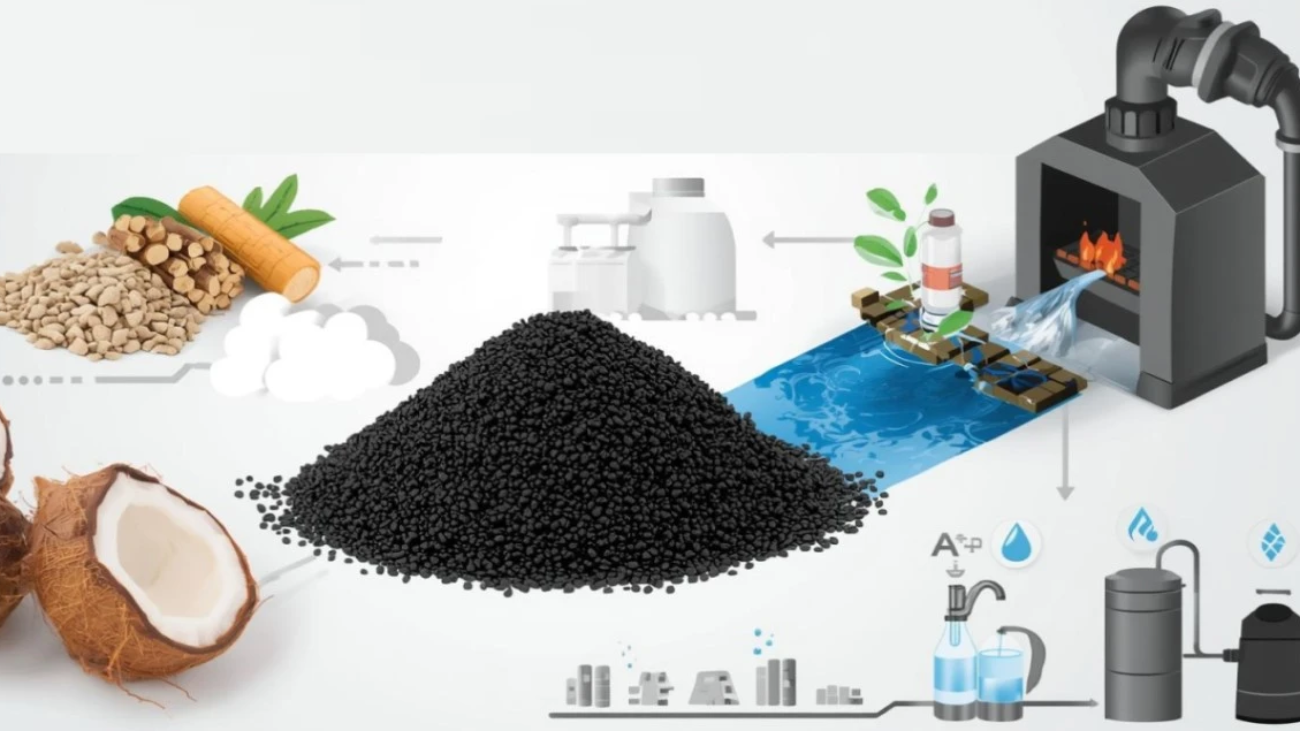
Activated carbon, also known as activated charcoal, is a highly porous filtration material made from carbon rich sources like coconut shells, coal, or wood. Thanks to its large surface area and exceptional adsorption capacity, it’s widely used in water filtration, air purification, and industrial treatment systems. In this blog, we’ll explore how activated carbon works, its different types including granular activated carbon, powdered activated carbon, extruded activated carbon, coconut shell activated carbon, and coal based activated carbon  along with its key applications and benefits. At Oozechem, we offer high quality activated carbon solutions designed to meet diverse purification needs across industries.

How activated carbon works?

Unlike simple absorption, activated carbon works through adsorption. Contaminants cling to the microscopic internal pore structure of the carbon.When air or water passes through an activated carbon filter, molecules like chlorine, VOCs, odors, and organic pollutants attach to the carbon surface, leaving the output purified.

This activated carbon adsorption process is what makes it one of the most effective purification materials available.

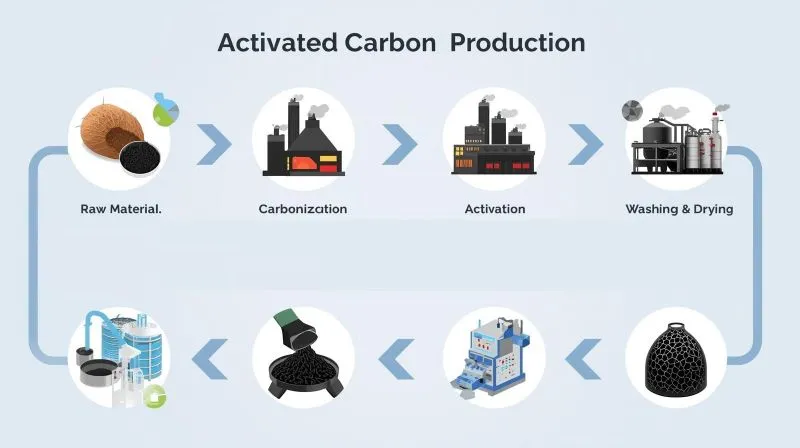
Process of Making Activated Carbon

The production of activated carbon involves several controlled steps to create its unique pore structure:

  1. Raw Material Selection: Typically coconut activated carbon or coal is used as feedstock.
  2. Carbonization: The raw material is heated in an inert atmosphere (usually 600–900 °C). Volatile components are removed, leaving behind a carbon rich char.
  3. Activation: The char is further heated with steam or CO₂ at 800–1100 °C to develop an extensive pore network. This step gives the material its adsorptive power.
  4. Washing & Drying: Residual chemicals are washed out, and the carbon is dried.
  5. Screening & Grading: The material is classified into granular, powdered, or extruded activated carbon according to application.
Activated Carbon Production

Types of Activated Carbon

1. Granular Activated Carbon (GAC) 

Coarse irregular particles, excellent for continuous filtration systems. Ideal for municipal water treatment and environmental purification.

2. Powdered Activated Carbon 

Fine particles designed for rapid adsorption in batch dosing systems. Common in municipal water treatment and food industries.

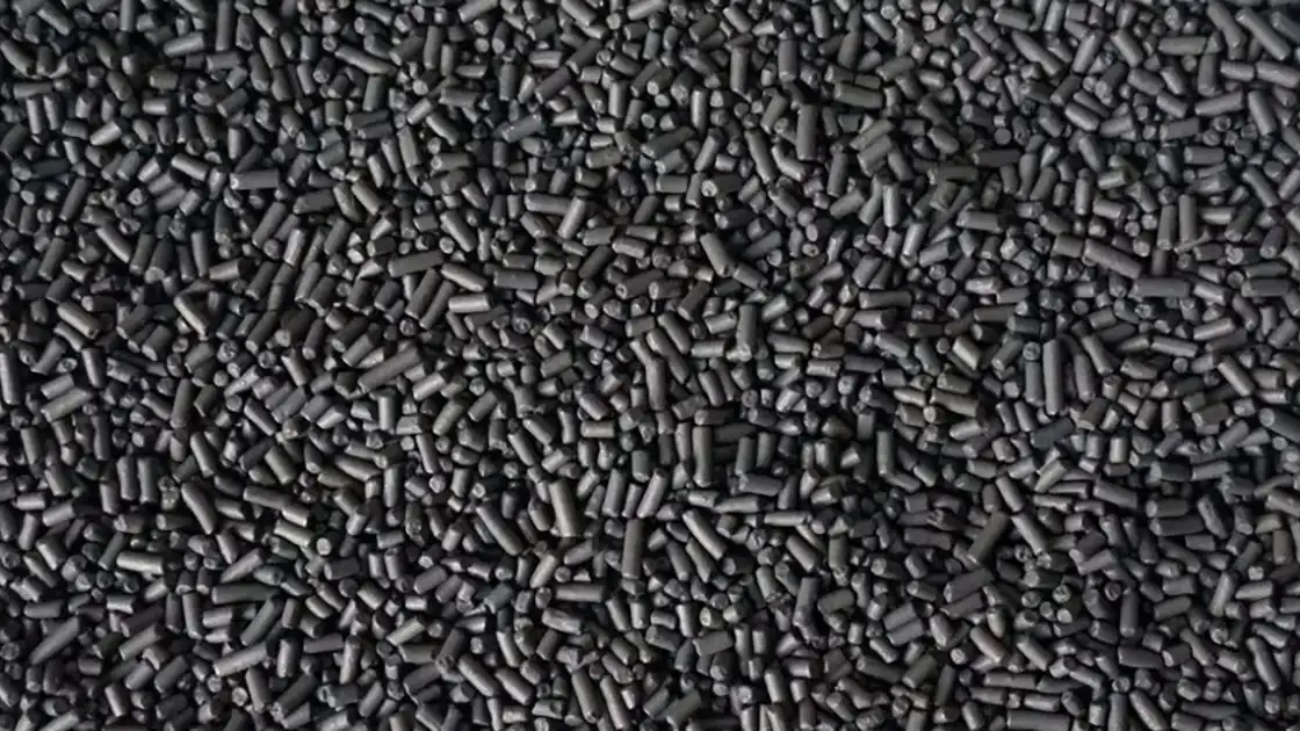
3. Extruded Activated Carbon 

Cylindrical pellets with low dust and high mechanical strength, perfect for gas phase treatment such as VOC control and solvent recovery.

Common Activated Carbon Uses

Application AreaForm UsedPurpose
Water PurificationGranular activated carbon (GAC)Removes chlorine, odor, organic pollutants, and taste impurities
Municipal Water TreatmentPowdered activated carbon (PAC)Rapid dosing to control taste, odor, and micropollutants
Air PurificationExtruded activated carbonTraps VOCs, odors, and industrial emissions in air purifier systems
Industrial FiltrationCoal based activated carbonRemoves contaminants in chemical and petrochemical processing
Household PurifiersCoconut shell activated carbonPoint of use filtration and air purifier with activated carbon filter units
Environmental RemediationMixed GradesGroundwater cleanup, spill control, odor abatement
Medical & Food IndustryPAC, GACDecolorization, detoxification, impurity removal

Technical Factors to Consider When Buying

  • Iodine number (adsorption capacity)
  • Surface area (m²/g)
  • Pore size distribution (micro, meso, macro)
  • Ash and moisture content
  • Particle size or pellet diameter

Choosing the right grade from reliable activated carbon suppliers ensures optimal system performance.

FAQs

Q1. How does activated carbon work?

How activated carbon works is through adsorption  contaminants stick to its porous surface as air or water flows through.

Q2. What is activated carbon used for?

Activated carbon used for includes water purification, air purification, solvent recovery, gold recovery, and medical treatments.

Q3. What is an activated carbon filter?

An activated carbon filter is a housing or cartridge filled with activated carbon media that removes unwanted compounds from air or water.

Q4. Which is better coconut or coal based activated carbon?

Coconut shell activated carbon offers high microporosity ideal for drinking water and air filters, while coal based activated carbon is excellent for heavy industrial applications.

Q5. Can activated carbon be regenerated?

Yes. Thermal or steam reactivation can restore its adsorption capacity, making it reusable and cost effective.

Conclusion:

Activated carbon is a highly effective adsorbent used to purify water, air, and industrial streams by trapping contaminants on its porous surface. With different types like granular activated carbon, powdered activated carbon, extruded activated carbon, coconut shell activated carbon, and coal based activated carbon, it offers flexible solutions for homes and industries. Choosing quality media from reliable activated carbon suppliers ensures efficient filtration and long lasting performance.

Explore more:

Desiccants

Best Desiccants in UAE 2025: Buyer’s Guide

The UAE’s climate characterized by high temperatures and humidity poses a serious challenge for preserving the quality of goods during storage and shipping. Moisture can damage electronics, pharmaceuticals, food products, industrial chemicals, and more. That’s where desiccants come in. But not all desiccants work the same, and choosing the wrong one can be costly. In this comprehensive guide, we’ll explore the best desiccants in the UAE, compare silica gel vs molecular sieve, and share practical tips for choosing the right desiccant for your use case from packaging and logistics to storage and lab use.

OozeChem is a trusted supplier of high quality desiccants solutions in Dubai UAE, Gulf region, and worldwide, providing reliable moisture control products for industrial applications, packaging, and storage requirements. Our comprehensive range of moisture adsorbing materials is designed for optimal performance, ensuring effective humidity control and reliable results across various industries.

What is a Desiccant?

A desiccant serves as a hygroscopic substance that removes moisture from the surrounding environment, creating dry conditions essential for product preservation and industrial processes. These materials are crucial in preventing corrosion, mold growth, and degradation of sensitive products during storage and transportation.

In the UAE’s humid climate, moisture control becomes particularly challenging for industries dealing with electronics, pharmaceuticals, food products, and chemicals. The region’s high humidity levels can cause significant damage to products, making effective moisture management solutions indispensable for businesses.

Types of Desiccant 

Silica Gel Desiccants

Silica gel represents the most widely used moisture adsorbing material in industrial applications. This amorphous form of silicon dioxide offers excellent moisture adsorption capacity and can be easily regenerated through heating. Silica desiccant packets are commonly found in packaging applications, while bulk silica gel serves larger industrial needs.

The material’s porous structure allows it to adsorb up to 40% of its weight in water vapor, making it highly effective for various applications. Its non toxic nature and chemical stability make it suitable for food and pharmaceutical industries. Oozechem offer range of silica gel desiccants:

Our Silica Gel Applications

Silica Gel for Leather Industry
Silica Gel in musical instruments
Silica Gel in Paints and Coatings
Silica Gel in Shipping Containers
Silica Gel in Semiconductor Packaging
Silica Gel for Oil & Gas Industry
Silica Gel in Food Industry
silica gel in pharmaceutical industry

Alumina Desiccant

Activated alumina stands out as another premium moisture control solution, particularly effective in high temperature applications. This material offers superior performance in industrial settings where other desiccants might fail due to extreme conditions.

Alumina desiccant provides excellent moisture absorption capacity while maintaining structural integrity under varying temperature conditions. Its ability to function effectively at temperatures up to 200°C makes it ideal for specialized industrial applications .

Learn more about Activated Alumina Applications

Clay Based Desiccants

Natural clay desiccants offer cost effective moisture control solutions for bulk applications. These materials provide adequate moisture absorption for general industrial use and are environmentally friendly options for businesses seeking sustainable solutions.

Calcium Oxide Desiccants

Quick lime or calcium oxide provides aggressive moisture absorption, particularly useful in applications requiring rapid moisture removal. However, these materials require careful handling due to their caustic nature.

Industrial Applications and Use Cases

Manufacturing and Production

Industrial facilities across the UAE utilize moisture control solutions to protect machinery, raw materials, and finished products. Industrial desiccant applications include:

  • Electronics manufacturing protection
  • Chemical storage facilities
  • Pharmaceutical production environments
  • Textile manufacturing processes

Packaging and Storage

Desiccant packs play crucial roles in protecting products during shipping and storage. These small packets prevent moisture related damage in various packaging applications, from consumer electronics to industrial components.

Food Industry Applications

The food sector requires specialized moisture control solutions to maintain product quality and extend shelf life. Food desiccator systems and packets help prevent spoilage, maintain texture, and preserve nutritional value of food products.

Desiccant silica gel use in food applications requires FDA approved materials that meet strict safety standards for direct and indirect food contact.

Comparison Table: Silica Gel vs Alumina Desiccants

Top Types of Desiccants for UAE Conditions

Desiccant TypeBest ForStrengthsLimitations
Silica GelPackaging, electronics, pharmaceuticalsSafe, reusable, good adsorptionLess effective in very high humidity
Molecular Sieve (3A, 4A, 5A)Lab chemicals, gas drying, pharmaVery high adsorption rate; excellent under high humidityMore expensive; requires careful handling
Activated AluminaAir/gas drying, industrial useHigh surface area; good for extreme conditionsRequires high temperature to regenerate
Clay Desiccant (Montmorillonite)Cost sensitive packagingLow cost; eco friendlyLower capacity; less effective in extreme humidity

Where Can I Buy Desiccant in UAE?

The UAE market offers various channels for purchasing moisture control solutions:

Specialized Chemical Suppliers

Professional chemical distributors like OozeChem provide comprehensive ranges of high quality desiccants with technical support and customized solutions for specific industrial requirements.

Industrial Supply Companies

Local industrial suppliers stock common desiccant products for immediate delivery, though selection may be limited compared to specialized suppliers.

Online Platforms

Digital marketplaces offer convenient ordering options, though quality verification and technical support may be limited compared to direct supplier relationships.

Why Buy Silica Gel and Alumina Desiccants from OozeChem

OozeChem’s premium silica gel and activated alumina desiccants offer superior performance characteristics specifically suited for UAE’s challenging climate conditions. These materials undergo rigorous testing to ensure consistent moisture absorption performance and long service life.

The high purity silica gel desiccants provide excellent moisture control for sensitive applications, while activated alumina desiccants offer unmatched performance in high temperature industrial processes. Both materials can be regenerated multiple times, providing cost effective long term solutions.

Real World Performance Comparison

In practical applications, silica gel consistently outperforms other options in terms of cost effectiveness and versatility. Its ability to work across temperature ranges makes it suitable for everything from pharmaceutical storage to electronics packaging.

Activated alumina shines in specialized applications where high temperatures are involved. Manufacturing facilities processing metals or chemicals often find alumina’s superior temperature resistance worth the additional investment.

Frequently Asked Questions (FAQs)

Q1. Can silica gel be reused in UAE conditions?
Yes. You can regenerate silica gel at 120°C for 1–2 hours. However, in high humidity environments, it may saturate quickly and require frequent regeneration.

Q2. Which desiccant works best for electronics in UAE?
Molecular sieve or blue indicating silica gel offer the best protection for sensitive electronic components.

Q3. What is the safest desiccant for food packaging?
White non indicating silica gel is food safe and commonly used in food packaging.

Q4. What’s the difference between blue and white silica gel?

Blue silica gel contains cobalt chloride (moisture indicator), while white is non indicating and food safe.

Conclusion

The UAE’s unique climate challenges make quality moisture control essential for industrial success. Whether you need silica desiccant packets for packaging applications or bulk industrial desiccant for large scale processes, partnering with reliable suppliers like OozeChem ensures optimal results. Quality materials from trusted suppliers combined with proper application techniques provide effective moisture control solutions that protect valuable products and processes.

Ready to secure your moisture control needs? Contact OozeChem 

What is Activated Alumina

What is Activated Alumina?

The term Activated Alumina refers to a highly porous, granular form of aluminium oxide (Al₂O₃) that has undergone specific heat treatment (activation) to create a network of microscopic pores, dramatically increasing its surface area and giving it excellent adsorption properties. This makes Activated Alumina a versatile and high performance material for drying, purification and catalysis applications across multiple industries.

At Oozechem, we supply high quality Activated Alumina Desiccant engineered for efficient gas separation, oxygen adsorption, and long term performance in pressure swing adsorption (PSA) systems.

Types of Activated Alumina

Activated Alumina is commonly available in two primary forms: Activated Alumina Beads and Activated Alumina Powder, each suited for specific industrial applications.

Activated Alumina Beads 

Activated Alumina Beads are spherical, mechanically strong granules that offer high surface area and low dust content, making them ideal for use in desiccant dryers, gas drying systems, and water treatment plants. Their uniform shape ensures even packing in adsorption towers, which minimizes pressure drop and maximizes efficiency.

Activated Alumina Powder

Activated Alumina Powder is a fine, free flowing form of alumina used where surface area and reactivity are more important than physical structure. It is commonly employed as a catalyst carrier, in ceramics manufacturing, or in chemical polishing applications.

Key Properties of Activated Alumina

Here’s a table summarising the main properties and why they matter:

PropertyDescriptionWhy it matters
High specific surface areaMany interconnected pores inside the beadsMore surface for adsorption of moisture, gases, and impurities
Selective adsorptionCan preferentially adsorb certain molecules (e.g., water, fluoride)Enables targeted purification and separation
RegenerabilityCan be restored by heating/steam purgeCost effective reuse in industrial processes
Chemical & thermal stabilityWithstands aggressive gases and high temperaturesSuitable for industrial environments
Physical strength (granular form)Mechanically robust under pressureMakes it viable in packed beds, towers and flowing systems

These properties make Activated Alumina ideal for a range of uses, which we’ll explore next.

Formation & Production of Activated Alumina

Raw material and calcination

The process begins with aluminium hydroxide, typically derived from bauxite or other alumina bearing ores. This hydroxide undergoes calcination heating to high temperatures which removes bound water molecules and transforms aluminium hydroxide into aluminium oxide (Al₂O₃)

Activation and pore generation

After calcination, the aluminium oxide is further processed in the presence of steam or activating gases under controlled conditions. This activation step develops the internal pore structure creating a large surface area and the characteristic granular form. The material is then cooled, crushed and sieved to size.

Applications of Activated Alumina

Activated Alumina finds applications in many sectors. Here are some of the most common:

Gas and air drying

It is highly effective at removing moisture from compressed air, nitrogen, oxygen, hydrogen and other gases. The high affinity for water makes it a go to adsorbent for industrial gas drying systems.

Liquid drying

In applications where liquids must be stripped of moisture (e.g., solvents, oils, chemical feed stocks), Activated Alumina is packed into columns or beds and liquids are passed through to remove water. Afterwards, the adsorbent may be regenerated.

Water purification & contaminant removal

Activated Alumina is used to remove specific contaminants from water such as fluoride, arsenic, phosphates and colour or odour causing compounds. Its adsorption capacity and chemical stability make it very suitable for this purpose.

Catalyst support / chemical processing

In petrochemical and refining industries, Activated Alumina often serves as a catalyst carrier or support in processes such as the Claus process (sulfur removal from natural gas) and other catalytic reactions.

Activated Alumina vs Other Adsorbents

It’s useful to compare Activated Alumina with other adsorbents, such as molecular sieves, to understand when it is preferred.

AdsorbentPore structureWater adsorption capacityKey advantage
Activated AluminaIrregular pore sizes, many poresHigh affinity for moistureGood general purpose adsorbent; robust and economical
Molecular sieve (e.g. zeolites)Uniform, adjustable poresVery selective adsorptionExcellent for precision separations of specific molecules  

Frequently Asked Questions (FAQs)

1. What is Activated Alumina used for?

It’s used for drying gases and liquids, removing fluoride from water, and as a catalyst support in chemical processes.

2. How does Activated Alumina remove fluoride?

It adsorbs fluoride ions onto its porous surface as water flows through, reducing fluoride content effectively.

3. Can Activated Alumina be reused?

Yes, it can be regenerated by heating, allowing for multiple uses and long term cost savings.

4. What’s the difference between Activated Alumina beads and powder?

Beads are used in filtration systems; powder is used in formulations and catalyst applications.

5. Where can I buy Activated Alumina in the UAE?

OozeChem is a trusted supplier offering high quality Activated Alumina for industrial use across the Gulf.

Also Check:

Air Purifiers

Best Air Purifiers in UAE for Homes and Industrial Use

Indoor air quality has become a growing concern across the UAE due to dust storms, high humidity, urban pollution, construction activity and indoor VOC emissions. Choosing the right air purifier can help remove airborne particles, odors, allergens and harmful contaminants while improving overall comfort and health. This guide explores the best air purification solutions for UAE homes, offices, healthcare facilities and industrial environments.

OozeChem delivers high quality purification materials, including activated carbon and molecular sieve, to support best air purifier systems throughout the UAE, Saudi Arabia, Oman, Bahrain and Kuwait. This ensures homes and businesses across the Gulf region have reliable access to superior air quality solutions.

What to Consider Before Buying an Air Purifier in UAE?

When selecting an air purifier, buyers should evaluate:

  • Room size coverage
  • HEPA filtration efficiency
  • Activated carbon filtration capability
  • VOC and odor removal performance
  • Energy consumption
  • Filter replacement frequency
  • Noise level
  • Maintenance requirements

Understanding Air Purification Challenges in the UAE

Air purification requirements in the UAE differ from many global markets because indoor environments are often exposed to fine desert dust, construction particles, vehicle emissions, and volatile organic compounds (VOCs). As a result, air purification systems that combine HEPA filtration with activated carbon technology generally provide the most effective performance.

The UAE presents distinct obstacles for indoor air quality management. Sandstorms, high temperatures reaching 50°C, humidity levels exceeding 90% and urban pollutants create demanding conditions that require specialized filtration materials. Traditional air purifier systems may lose effectiveness or require frequent maintenance under these extreme conditions, making the selection of appropriate filtration media critical for successful air purification./

Essential Air Purifiers Technologies

Activated Carbon Filtration Systems

Activated carbon represents one of the most versatile and effective filtration media for air purifier applications in the UAE. This highly porous material provides exceptional adsorption capacity for volatile organic compounds (VOCs), odors and gaseous pollutants commonly found in urban environments.

The unique structure of activated carbon creates millions of microscopic pores that trap contaminants through physical and chemical adsorption processes. This makes it particularly effective for removing cooking odors, chemical fumes and industrial emissions that are prevalent in UAE cities.

Key advantages of activated carbon in best air purifier systems include rapid contaminant removal, broad spectrum effectivenes and excellent performance in high humidity conditions typical of the Gulf region.

Activated Carbon

Zeolite Molecular Sieve Technology

Zeolite molecular sieve offer advanced selective adsorption capabilities that complement traditional filtration methods. These crystalline materials feature uniform pore structures that enable precise molecular separation, making them ideal for targeting specific air quality challenges common in the UAE.

Unlike conventional filters, zeolite molecular sieve can selectively remove moisture, ammonia and specific organic compounds while allowing beneficial air components to pass through. This selective action proves particularly valuable in maintaining optimal indoor humidity levels while removing harmful contaminants.

Zeolite Molecular Sieves

Comparative Analysis: Activated Carbon vs Zeolite Molecular Sieve

FeatureActivated CarbonZeolite Molecular SieveBest Air Purifier Application
Pore StructureRandom, varied sizes (2-1000 nm)Uniform, precisely defined (3-10 Å)Zeolite for precision, Carbon for broad spectrum
Adsorption CapacityHigh surface area (500-2000 m²/g)Moderate surface area (300-800 m²/g)Carbon for high volume contamination
SelectivityNon-selective, broad spectrumHighly selective molecular separationZeolite for targeted contaminants
Humidity PerformanceReduced effectiveness when saturatedMaintains performance in humid conditionsZeolite superior for air purifier UAE
RegenerationDifficult, often single useEasily regenerated through heatingZeolite for long term cost efficiency
VOC RemovalExcellent for all organic compoundsSelective based on molecular sizeCarbon for comprehensive VOC control
Odor ControlSuperior for all odor typesEffective for specific odor moleculesCarbon for general home air purification
DurabilityModerate, degrades over timeExcellent, maintains structureZeolite for industrial applications
Cost EffectivenessLower initial costHigher initial, lower operational costDepends on application requirements
MaintenanceRegular replacement requiredExtended service life with regenerationZeolite reduces maintenance frequency

Regional Industry Applications

Residential Air Purification

UAE homes face unique air quality challenges from desert dust, construction activities and urban pollution. Home air purification systems incorporating both activated carbon and zeolite technologies provide comprehensive protection against these varied contaminants.

Activated carbon effectively removes cooking odors, cleaning chemical fumes and outdoor pollutants that penetrate building envelopes. Zeolite molecular sieve complement this by controlling humidity levels and removing specific gaseous contaminants that activated carbon cannot address effectively.

The combination approach ensures optimal indoor air quality while minimizing maintenance requirements critical for busy UAE households.

Commercial and Office Buildings

Dubai’s modern commercial buildings require sophisticated air purification system solutions that can handle high occupancy loads while maintaining energy efficiency. The integration of activated carbon and zeolite technologies provides comprehensive contaminant removal while supporting HVAC system optimization.

OozeChem’s purification materials enable building managers to achieve superior indoor air quality while reducing energy consumption and maintenance costs associated with conventional filtration systems.

Industrial Facilities

Manufacturing and processing facilities throughout the UAE generate diverse air quality challenges requiring specialized best air purification system approaches. Chemical processing, electronics manufacturing and food production industries each present unique contaminant profiles that benefit from targeted filtration strategies.

OozeChem’s technical expertise supports these diverse applications by providing customized purification solutions that integrate activated carbon and zeolite technologies for maximum effectiveness and operational efficiency.

Performance Factors in Gulf Conditions

Temperature and Humidity Impact

Environmental FactorImpact on Activated CarbonImpact on ZeoliteGood Air Purifier Selection
High Temperature (40-50°C)Reduced adsorption capacityEnhanced desorption capabilityZeolite preferred for hot climates
High Humidity (70-90%)Significant capacity reductionMinimal performance impactZeolite essential for humid conditions
Dust LoadingPore blocking, reduced efficiencySelf cleaning propertiesZeolite offers better dust tolerance
Salt Air ExposureCorrosion of support structuresChemical stability maintainedZeolite superior for coastal areas

Advanced Filtration Strategies

Hybrid Systems

The most effective best air purifier solutions for UAE conditions often incorporate both activated carbon and zeolite molecular sieve in staged filtration systems. This approach maximizes contaminant removal while optimizing each material’s strengths.

Initial zeolite stages remove moisture and small molecular contaminants, while downstream activated carbon stages handle larger organic compounds and odors. This configuration extends overall system life while maintaining peak performance.

Regeneration and Sustainability

Zeolite molecular sieve offer significant sustainability advantages through thermal regeneration capabilities. Unlike activated carbon, which typically requires replacement, zeolites can be restored to original performance through controlled heating cycles.

This regeneration capability reduces long term operational costs and environmental impact, making zeolite based systems particularly attractive for large scale air purification system applications.

Economic Considerations

Initial Investment vs Long Term Costs

Cost FactorActivated Carbon SystemsZeolite SystemsAir Purifier UAE Recommendation
Initial Material CostLower upfront investmentHigher initial costConsider total cost of ownership
Replacement FrequencyEvery 3-6 months2-5 years with regenerationZeolite provides better value
Energy ConsumptionStandard fan powerAdditional regeneration energyBalance operational efficiency
Maintenance LaborFrequent filter changesPeriodic regeneration cyclesZeolite reduces labor costs
System DowntimeRegular replacement periodsMinimal service interruptionZeolite improves availability

Conclusion

The demanding environmental conditions of the UAE require sophisticated air purifier solutions that combine advanced materials with expert application knowledge. Both activated carbon and zeolite molecular sieve offer distinct advantages, with optimal results often achieved through hybrid systems that leverage each material’s strengths.

OozeChem’s comprehensive approach, combining high quality activated carbon and zeolite molecular sieve with extensive technical expertise, provides the foundation for successful air purification system implementation throughout the UAE. Their commitment to quality and reliability ensures customers receive the best air purification system solutions capable of maintaining superior indoor air quality despite the region’s challenging environmental conditions.

ALSO See Construction Chemicals in Dubai