Ammonia Removal

Ammonia Removal from Air

Ammonia (NH₃) is a common yet hazardous gas released from industrial processes such as fertilizers, petrochemicals, wastewater treatment, cold storage, and livestock facilities. In the UAE and Gulf region, where high temperatures, enclosed industrial spaces, and strict environmental regulations coexist, effective ammonia (NH₃) removal from air is not optional, it is critical for safety, compliance, and operational efficiency.

This article explores the best methods to remove ammonia from air in UAE, with a focused comparison between impregnated activated carbon and molecular sieve technologies, helping industries choose the right ammonia air purification solution.

Why Ammonia Removal from Air and Gas Is Critical in the Gulf Region?

Industries across the Gulf Region such as Chemical Industries in UAE, Chemical Industries in KSA, Chemical Industries in Qatar,Chemical Industries in Oman,and Chemical Industries in Kuwait:

  • High ambient temperatures increase ammonia volatility
  • Enclosed industrial environments intensify odor and exposure risks
  • Strict environmental and occupational safety regulations
  • Growing demand for ammonia air pollution control

Uncontrolled ammonia can cause:

  • Respiratory irritation and health hazards
  • Corrosion of equipment
  • Workplace odor issues
  • Non-compliance with environmental standards

This is why industrial ammonia removal solutions are widely deployed in the region.

Common Ammonia Gas Purification Methods

Before comparing materials, it’s important to understand the broader ammonia gas purification methods used in industrial air treatment:

  • Adsorption using solid media
  • Wet scrubber systems for ammonia gas removal
  • Biofiltration for ammonia removal
  • Chemical neutralization
  • Specialized NH₃ gas treatment equipment

Among these, adsorption based systems using activated carbon or molecular sieve are preferred for continuous, dry, and low maintenance operations.

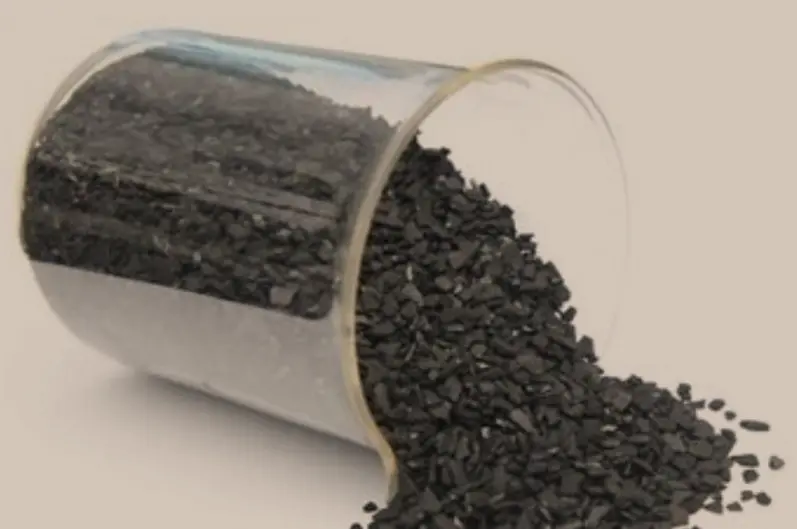
Impregnated Activated Carbon for Ammonia Removal

How It Works

Standard activated carbon is enhanced by chemical impregnation typically with acidic compounds to react with ammonia gas. This creates acid impregnated carbon for NH₃, allowing ammonia to be chemically neutralized and permanently retained.

This explains how impregnated activated carbon neutralizes ammonia gas rather than merely trapping it.

Learn more about Activated Carbon

Key Advantages

  • Highly effective for ammonia odor control in facilities
  • Works well at ambient Gulf temperatures
  • Ideal for low to moderate ammonia concentrations
  • Suitable for retrofit air purification systems
  • Cost effective for large air volumes

Typical Applications in UAE & GCC

  • Ammonia removal from industrial exhaust air
  • Cold storage and refrigeration plants
  • Fertilizer manufacturing units
  • Chemical warehouses
  • Wastewater ventilation ammonia removal

Because of its versatility, impregnated activated carbon for ammonia removal is widely used in air filter media for ammonia odor and gas control across the Gulf.

Molecular Sieve for Ammonia Removal

How Molecular Sieve Work?

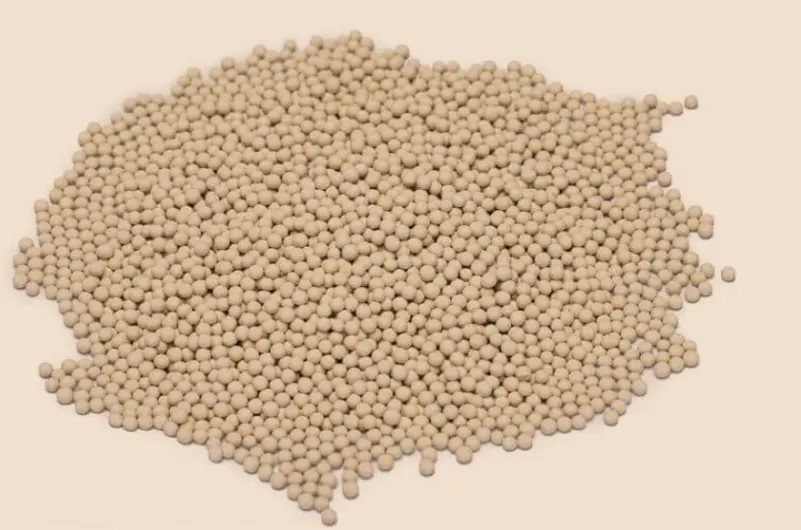
Molecular sieve are crystalline aluminosilicates with uniform pore sizes. Certain grades especially 13X molecular sieve can selectively adsorb ammonia molecules through physical adsorption.

13X molecular sieve being one of the most widely used options. This grade possesses a pore size that is well suited for capturing ammonia (NH₃) molecules through physical adsorption, a process driven by electrostatic attraction rather than chemical reaction. Under dry and controlled operating conditions, 13X molecular sieve for ammonia adsorption delivers high efficiency and consistent performance, making it suitable for specialized industrial applications where precise gas purification is required. However, its effectiveness depends heavily on maintaining low moisture levels and stable temperatures to prevent competition from water vapor and ensure optimal adsorption capacity.

Read more about 13x Molecular Sieve 

Key Advantages

  • High adsorption capacity for NH₃
  • Precise gas separation
  • Suitable for dry, controlled gas streams
  • Reusable through regeneration

Limitations in Gulf Conditions

While molecular sieve are powerful, they are sensitive to:

  • High humidity
  • Moisture rich air streams
  • Temperature fluctuations

This can limit their effectiveness in open or humid environments commonly found in the UAE and coastal Gulf regions.

Typical Applications

  • Enclosed process gas streams
  • High purity industrial gas purification
  • Specialized NH₃ gas treatment equipment

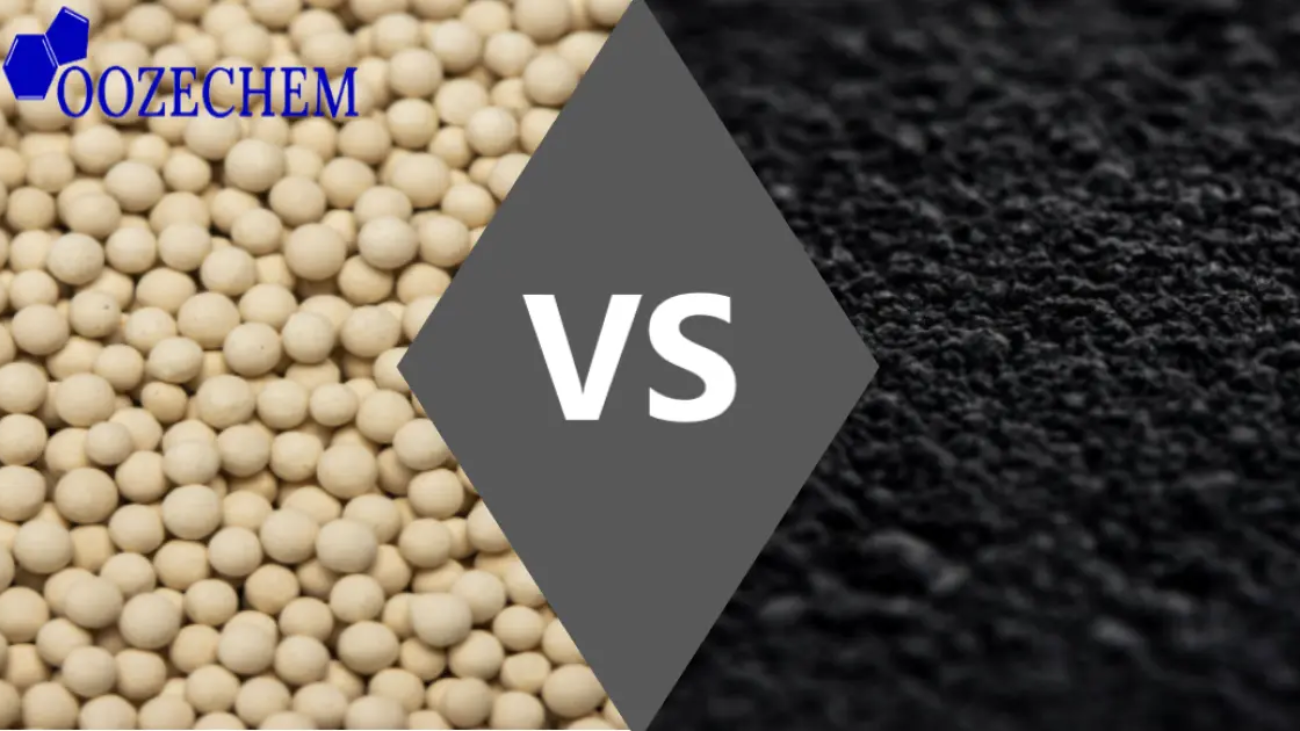
Activated Carbon vs Molecular Sieve for Ammonia Air Purification

FeatureActivated CarbonMolecular Sieve
Removal MechanismChemical adsorptionPhysical adsorption
Humidity ToleranceHighLow
Best for Odor ControlExcellentModerate
Gulf Climate SuitabilityVery highModerate
MaintenanceLowMedium
RegenerationLimitedYes
Cost EfficiencyHighMedium to high

For most industrial ammonia air purification needs in the GCC, activated carbon systems are more adaptable and cost efficient.

Choosing the Best Method to Remove Ammonia from Air in Industrial Settings

The best solution depends on:

  • Ammonia concentration levels
  • Airflow volume
  • Humidity and temperature
  • Regulatory requirements
  • Budget and maintenance capability

In many Gulf facilities, hybrid systems are also used:

  • Activated carbon filters for odor control
  • Wet scrubber systems for ammonia gas removal in high concentrations
  • Biofiltration for ammonia removal in agricultural settings

Conclusion

For most UAE and Gulf industrial environments, impregnated activated carbon offers the most practical and reliable solution for ammonia (NH₃) removal from air due to its humidity tolerance, odor control efficiency, and cost effectiveness.

Molecular sieve remain valuable for specialized, dry gas applications, but for general industrial ammonia removal solutions, activated carbon remains the preferred choice.

Need Expert Guidance?

If you’re evaluating how to get rid of ammonia in air for your facility in the UAE or GCC, selecting the right media and system design is critical. 
Contact OOZECHEM Industrial Solutions!

What is Activated carbon

What is Activated Carbon?

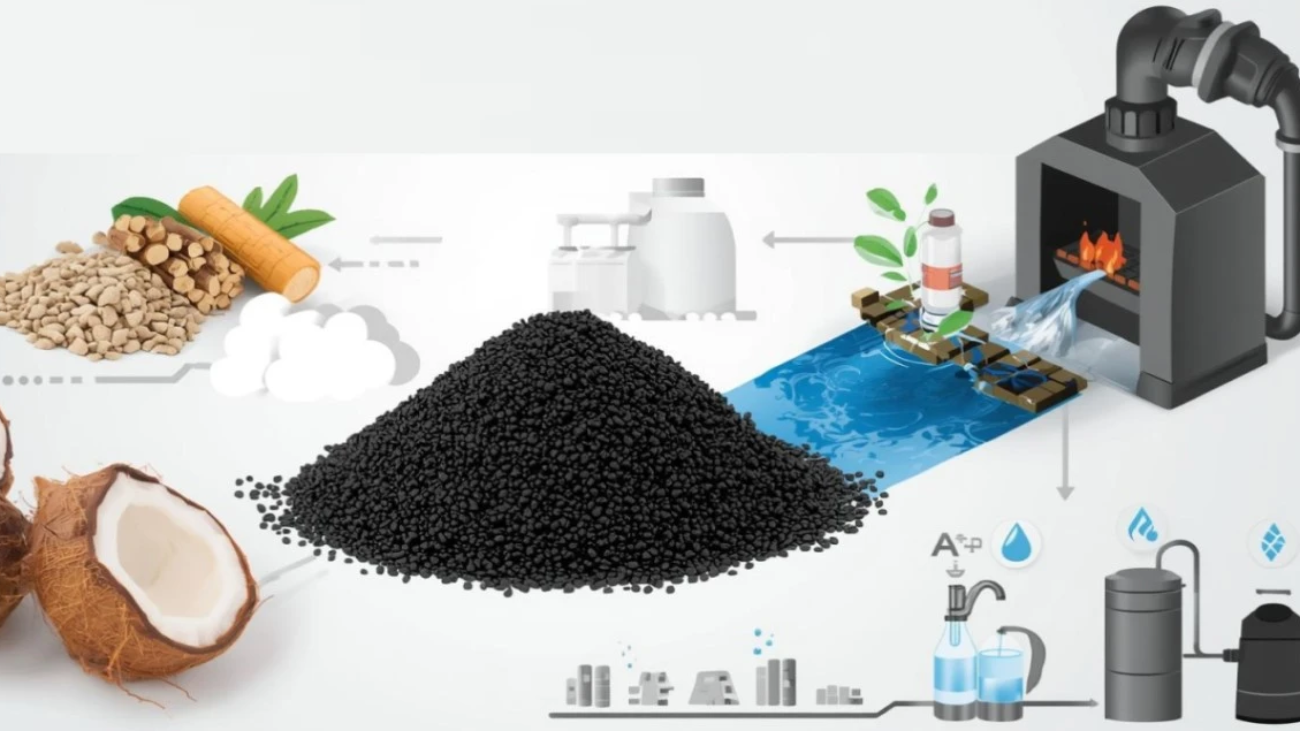
Activated carbon, also known as activated charcoal, is a highly porous filtration material made from carbon rich sources like coconut shells, coal, or wood. Thanks to its large surface area and exceptional adsorption capacity, it’s widely used in water filtration, air purification, and industrial treatment systems. In this blog, we’ll explore how activated carbon works, its different types including granular activated carbon, powdered activated carbon, extruded activated carbon, coconut shell activated carbon, and coal based activated carbon  along with its key applications and benefits. At Oozechem, we offer high quality activated carbon solutions designed to meet diverse purification needs across industries.

How activated carbon works?

Unlike simple absorption, activated carbon works through adsorption. Contaminants cling to the microscopic internal pore structure of the carbon.When air or water passes through an activated carbon filter, molecules like chlorine, VOCs, odors, and organic pollutants attach to the carbon surface, leaving the output purified.

This activated carbon adsorption process is what makes it one of the most effective purification materials available.

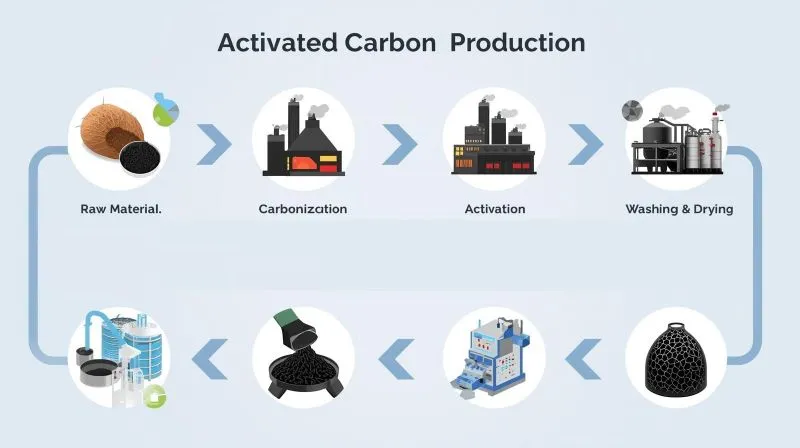
Process of Making Activated Carbon

The production of activated carbon involves several controlled steps to create its unique pore structure:

  1. Raw Material Selection: Typically coconut activated carbon or coal is used as feedstock.
  2. Carbonization: The raw material is heated in an inert atmosphere (usually 600–900 °C). Volatile components are removed, leaving behind a carbon rich char.
  3. Activation: The char is further heated with steam or CO₂ at 800–1100 °C to develop an extensive pore network. This step gives the material its adsorptive power.
  4. Washing & Drying: Residual chemicals are washed out, and the carbon is dried.
  5. Screening & Grading: The material is classified into granular, powdered, or extruded activated carbon according to application.
Activated Carbon Production

Types of Activated Carbon

1. Granular Activated Carbon (GAC) 

Coarse irregular particles, excellent for continuous filtration systems. Ideal for municipal water treatment and environmental purification.

2. Powdered Activated Carbon 

Fine particles designed for rapid adsorption in batch dosing systems. Common in municipal water treatment and food industries.

3. Extruded Activated Carbon 

Cylindrical pellets with low dust and high mechanical strength, perfect for gas phase treatment such as VOC control and solvent recovery.

Common Activated Carbon Uses

Application AreaForm UsedPurpose
Water PurificationGranular activated carbon (GAC)Removes chlorine, odor, organic pollutants, and taste impurities
Municipal Water TreatmentPowdered activated carbon (PAC)Rapid dosing to control taste, odor, and micropollutants
Air PurificationExtruded activated carbonTraps VOCs, odors, and industrial emissions in air purifier systems
Industrial FiltrationCoal based activated carbonRemoves contaminants in chemical and petrochemical processing
Household PurifiersCoconut shell activated carbonPoint of use filtration and air purifier with activated carbon filter units
Environmental RemediationMixed GradesGroundwater cleanup, spill control, odor abatement
Medical & Food IndustryPAC, GACDecolorization, detoxification, impurity removal

Technical Factors to Consider When Buying

  • Iodine number (adsorption capacity)
  • Surface area (m²/g)
  • Pore size distribution (micro, meso, macro)
  • Ash and moisture content
  • Particle size or pellet diameter

Choosing the right grade from reliable activated carbon suppliers ensures optimal system performance.

FAQs

Q1. How does activated carbon work?

How activated carbon works is through adsorption  contaminants stick to its porous surface as air or water flows through.

Q2. What is activated carbon used for?

Activated carbon used for includes water purification, air purification, solvent recovery, gold recovery, and medical treatments.

Q3. What is an activated carbon filter?

An activated carbon filter is a housing or cartridge filled with activated carbon media that removes unwanted compounds from air or water.

Q4. Which is better coconut or coal based activated carbon?

Coconut shell activated carbon offers high microporosity ideal for drinking water and air filters, while coal based activated carbon is excellent for heavy industrial applications.

Q5. Can activated carbon be regenerated?

Yes. Thermal or steam reactivation can restore its adsorption capacity, making it reusable and cost effective.

Conclusion:

Activated carbon is a highly effective adsorbent used to purify water, air, and industrial streams by trapping contaminants on its porous surface. With different types like granular activated carbon, powdered activated carbon, extruded activated carbon, coconut shell activated carbon, and coal based activated carbon, it offers flexible solutions for homes and industries. Choosing quality media from reliable activated carbon suppliers ensures efficient filtration and long lasting performance.

Explore more:

Air Purifiers

Best Air Purifiers in UAE for Homes and Industrial Use

Indoor air quality has become a growing concern across the UAE due to dust storms, high humidity, urban pollution, construction activity and indoor VOC emissions. Choosing the right air purifier can help remove airborne particles, odors, allergens and harmful contaminants while improving overall comfort and health. This guide explores the best air purification solutions for UAE homes, offices, healthcare facilities and industrial environments.

OozeChem delivers high quality purification materials, including activated carbon and molecular sieve, to support best air purifier systems throughout the UAE, Saudi Arabia, Oman, Bahrain and Kuwait. This ensures homes and businesses across the Gulf region have reliable access to superior air quality solutions.

What to Consider Before Buying an Air Purifier in UAE?

When selecting an air purifier, buyers should evaluate:

  • Room size coverage
  • HEPA filtration efficiency
  • Activated carbon filtration capability
  • VOC and odor removal performance
  • Energy consumption
  • Filter replacement frequency
  • Noise level
  • Maintenance requirements

Understanding Air Purification Challenges in the UAE

Air purification requirements in the UAE differ from many global markets because indoor environments are often exposed to fine desert dust, construction particles, vehicle emissions, and volatile organic compounds (VOCs). As a result, air purification systems that combine HEPA filtration with activated carbon technology generally provide the most effective performance.

The UAE presents distinct obstacles for indoor air quality management. Sandstorms, high temperatures reaching 50°C, humidity levels exceeding 90% and urban pollutants create demanding conditions that require specialized filtration materials. Traditional air purifier systems may lose effectiveness or require frequent maintenance under these extreme conditions, making the selection of appropriate filtration media critical for successful air purification./

Essential Air Purifiers Technologies

Activated Carbon Filtration Systems

Activated carbon represents one of the most versatile and effective filtration media for air purifier applications in the UAE. This highly porous material provides exceptional adsorption capacity for volatile organic compounds (VOCs), odors and gaseous pollutants commonly found in urban environments.

The unique structure of activated carbon creates millions of microscopic pores that trap contaminants through physical and chemical adsorption processes. This makes it particularly effective for removing cooking odors, chemical fumes and industrial emissions that are prevalent in UAE cities.

Key advantages of activated carbon in best air purifier systems include rapid contaminant removal, broad spectrum effectivenes and excellent performance in high humidity conditions typical of the Gulf region.

Activated Carbon

Zeolite Molecular Sieve Technology

Zeolite molecular sieve offer advanced selective adsorption capabilities that complement traditional filtration methods. These crystalline materials feature uniform pore structures that enable precise molecular separation, making them ideal for targeting specific air quality challenges common in the UAE.

Unlike conventional filters, zeolite molecular sieve can selectively remove moisture, ammonia and specific organic compounds while allowing beneficial air components to pass through. This selective action proves particularly valuable in maintaining optimal indoor humidity levels while removing harmful contaminants.

Zeolite Molecular Sieves

Comparative Analysis: Activated Carbon vs Zeolite Molecular Sieve

FeatureActivated CarbonZeolite Molecular SieveBest Air Purifier Application
Pore StructureRandom, varied sizes (2-1000 nm)Uniform, precisely defined (3-10 Å)Zeolite for precision, Carbon for broad spectrum
Adsorption CapacityHigh surface area (500-2000 m²/g)Moderate surface area (300-800 m²/g)Carbon for high volume contamination
SelectivityNon-selective, broad spectrumHighly selective molecular separationZeolite for targeted contaminants
Humidity PerformanceReduced effectiveness when saturatedMaintains performance in humid conditionsZeolite superior for air purifier UAE
RegenerationDifficult, often single useEasily regenerated through heatingZeolite for long term cost efficiency
VOC RemovalExcellent for all organic compoundsSelective based on molecular sizeCarbon for comprehensive VOC control
Odor ControlSuperior for all odor typesEffective for specific odor moleculesCarbon for general home air purification
DurabilityModerate, degrades over timeExcellent, maintains structureZeolite for industrial applications
Cost EffectivenessLower initial costHigher initial, lower operational costDepends on application requirements
MaintenanceRegular replacement requiredExtended service life with regenerationZeolite reduces maintenance frequency

Regional Industry Applications

Residential Air Purification

UAE homes face unique air quality challenges from desert dust, construction activities and urban pollution. Home air purification systems incorporating both activated carbon and zeolite technologies provide comprehensive protection against these varied contaminants.

Activated carbon effectively removes cooking odors, cleaning chemical fumes and outdoor pollutants that penetrate building envelopes. Zeolite molecular sieve complement this by controlling humidity levels and removing specific gaseous contaminants that activated carbon cannot address effectively.

The combination approach ensures optimal indoor air quality while minimizing maintenance requirements critical for busy UAE households.

Commercial and Office Buildings

Dubai’s modern commercial buildings require sophisticated air purification system solutions that can handle high occupancy loads while maintaining energy efficiency. The integration of activated carbon and zeolite technologies provides comprehensive contaminant removal while supporting HVAC system optimization.

OozeChem’s purification materials enable building managers to achieve superior indoor air quality while reducing energy consumption and maintenance costs associated with conventional filtration systems.

Industrial Facilities

Manufacturing and processing facilities throughout the UAE generate diverse air quality challenges requiring specialized best air purification system approaches. Chemical processing, electronics manufacturing and food production industries each present unique contaminant profiles that benefit from targeted filtration strategies.

OozeChem’s technical expertise supports these diverse applications by providing customized purification solutions that integrate activated carbon and zeolite technologies for maximum effectiveness and operational efficiency.

Performance Factors in Gulf Conditions

Temperature and Humidity Impact

Environmental FactorImpact on Activated CarbonImpact on ZeoliteGood Air Purifier Selection
High Temperature (40-50°C)Reduced adsorption capacityEnhanced desorption capabilityZeolite preferred for hot climates
High Humidity (70-90%)Significant capacity reductionMinimal performance impactZeolite essential for humid conditions
Dust LoadingPore blocking, reduced efficiencySelf cleaning propertiesZeolite offers better dust tolerance
Salt Air ExposureCorrosion of support structuresChemical stability maintainedZeolite superior for coastal areas

Advanced Filtration Strategies

Hybrid Systems

The most effective best air purifier solutions for UAE conditions often incorporate both activated carbon and zeolite molecular sieve in staged filtration systems. This approach maximizes contaminant removal while optimizing each material’s strengths.

Initial zeolite stages remove moisture and small molecular contaminants, while downstream activated carbon stages handle larger organic compounds and odors. This configuration extends overall system life while maintaining peak performance.

Regeneration and Sustainability

Zeolite molecular sieve offer significant sustainability advantages through thermal regeneration capabilities. Unlike activated carbon, which typically requires replacement, zeolites can be restored to original performance through controlled heating cycles.

This regeneration capability reduces long term operational costs and environmental impact, making zeolite based systems particularly attractive for large scale air purification system applications.

Economic Considerations

Initial Investment vs Long Term Costs

Cost FactorActivated Carbon SystemsZeolite SystemsAir Purifier UAE Recommendation
Initial Material CostLower upfront investmentHigher initial costConsider total cost of ownership
Replacement FrequencyEvery 3-6 months2-5 years with regenerationZeolite provides better value
Energy ConsumptionStandard fan powerAdditional regeneration energyBalance operational efficiency
Maintenance LaborFrequent filter changesPeriodic regeneration cyclesZeolite reduces labor costs
System DowntimeRegular replacement periodsMinimal service interruptionZeolite improves availability

Conclusion

The demanding environmental conditions of the UAE require sophisticated air purifier solutions that combine advanced materials with expert application knowledge. Both activated carbon and zeolite molecular sieve offer distinct advantages, with optimal results often achieved through hybrid systems that leverage each material’s strengths.

OozeChem’s comprehensive approach, combining high quality activated carbon and zeolite molecular sieve with extensive technical expertise, provides the foundation for successful air purification system implementation throughout the UAE. Their commitment to quality and reliability ensures customers receive the best air purification system solutions capable of maintaining superior indoor air quality despite the region’s challenging environmental conditions.

ALSO See Construction Chemicals in Dubai

Advantages of Activated Carbon in Gold Recovery

5 Benefits of Activated Carbon in Gold Process

When it comes to extracting gold efficiently, activated carbon is one of the most powerful tools available to processing plants. Used in popular recovery systems like CIP, CIL, and CIC, activated carbon enables gold producers to maximize yield, reduce operating costs, and streamline metallurgical flowsheets.

If you’re exploring ways to improve gold recovery performance, here’s are the Advantages of Activated Carbon in Gold Recovery.

Advantages of Activated Carbon in Gold Recovery

1. Exceptional Gold Adsorption Capacity

The core strength of activated carbon lies in its ultra high surface area and microporous structure, which makes it an ideal medium for capturing gold cyanide complexes in solution. A single gram of activated carbon can provide up to 1,000 m² of surface area, enabling:

  • Rapid and efficient gold capture
  • High recovery from low grade or complex ores
  • Reduced gold loss in tailings

2. Targeted Selectivity for Gold Over Other Metals

Gold isn’t the only metal in leach solutions but with activated carbon, it’s the one that matters most. Unlike other sorbents, activated carbon selectively binds gold cyanide complexes while rejecting many impurities like:

  • Copper
  • Zinc
  • Iron

This results in:

  • Cleaner gold eluates
  • Lower refining costs
  • Improved recovery accuracy

3. Cost Efficiency Through Regeneration

One of the most valuable traits of activated carbon is its reusability. Through acid washing and thermal regeneration, carbon can be cycled through dozens of adsorption runs without significant degradation.

Benefits:

  • Reduced raw material costs
  • Less frequent carbon replacement
  • Lower waste disposal volumes

4. Seamless Integration with Modern Gold Recovery Systems

Activated carbon is engineered to perform flawlessly in leading gold recovery technologies:

  • CIP (Carbon in Pulp): Carbon is added after leaching
  • CIL (Carbon in Leach): Adsorption happens during leaching
  • CIC (Carbon in Column): Used for treating clear cyanide solutions

Because of its robust physical structure and chemical stability, activated carbon handles:

  • High throughput
  • Aggressive chemical environments
  • Long operating cycles

These characteristics make it ideal for use in both batch and continuous recovery systems.

5. Reliable Performance Across Diverse Ore Types

Gold ores vary dramatically between sites, but activated carbon remains consistent. It effectively adsorbs gold from:

  • Oxide ores
  • Sulfide rich or refractory ores
  • Heap leach operations
  • Tailings retreatment

Even when ores contain interfering metals or organic contaminants, high quality activated carbon maintains adsorption performance.

Environmental and Operational Advantages

Activated carbon supports sustainable mining operations through:

  • Lower cyanide use
  • Reduced environmental discharge
  • Efficient use of materials (due to recyclability)

Additionally, its mechanical strength minimizes losses from attrition and carbon fines, improving system stability over time.

Quick Overview: Benefits at a Glance

BenefitKey Impact
High Gold AdsorptionFast and efficient gold capture, even from low grade ores
Metal SelectivityReduces impurity co-adsorption, simplifies refining
Regenerable & ReusableLowers operating costs and raw material needs
System CompatibilityWorks with CIP, CIL, CIC, and heap leach recovery flows
Ore VersatilityHandles a wide range of ore types and impurity levels

Why It Matters: Real Impact on Plant Efficiency

Mining operations that rely on high quality activated carbon often experience:

  • Improved plant recovery rates
  • Higher profitability per ton of ore
  • Reduced environmental compliance issues

By incorporating activated carbon into your gold recovery system, you’re not just improving efficiency  you’re investing in long term operational success.

Related Readings

Get in touch with Ozechem today to request a technical datasheet, sample, or expert consultation and discover how our solutions can improve your plant’s gold recovery rates and bottom line.

uses of activated carbon

Top 6 Uses of Activated Carbon in UAE Industries

Activated carbon is one of the most widely used adsorption materials in the world. Its highly porous structure allows it to remove impurities, odors, contaminants, and unwanted compounds from liquids and gases. As a result, activated carbon plays a critical role in water treatment, air purification, food processing, pharmaceutical manufacturing, mining, and industrial filtration systems.

How Activated Carbon Works?

Activated carbon works through a process called adsorption, where contaminants adhere to the surface of the carbon’s microscopic pores. Because activated carbon has an extremely large surface area, it can effectively capture organic compounds, odors, chemicals, and pollutants from water and air streams.

Primary Types of Activated Carbon and Their Specifications

Granular Activated Carbon (GAC)

Granular activated carbon offers excellent versatility for both water and air purification systems. With particle sizes typically ranging from 8×30 to 12×40 mesh, GAC provides an optimal balance between adsorption capacity and pressure drop characteristics. The granular form allows for efficient flow rates while maintaining high removal efficiency for organic compounds, chlorine, and heavy metals.

Powdered Activated Carbon (PAC)

Powdered activated carbon features extremely fine particle sizes (typically less than 0.18 mm), providing rapid adsorption kinetics and maximum surface area contact. PAC excels in liquid-phase applications where quick treatment is required, making it ideal for emergency response situations and batch treatment processes involving industrial chemicals.

Pelletized/Extruded Activated Carbon

Pelletized carbon offers superior mechanical strength and uniform structure, making it excellent for gas-phase applications including volatile organic compound (VOC) removal and industrial air purification systems. The cylindrical shape provides low pressure drop while maintaining high adsorption efficiency.

Activated Carbon Applications by Industry

IndustryApplicationBenefit
Water TreatmentContaminant RemovalImproved Water Quality
Air PurificationVOC RemovalCleaner Air
Food ProcessingDecolorizationProduct Quality
MiningGold RecoveryEfficient Extraction
Oil & GasGas PurificationProcess Efficiency
PharmaceuticalsPurificationProduct Consistency

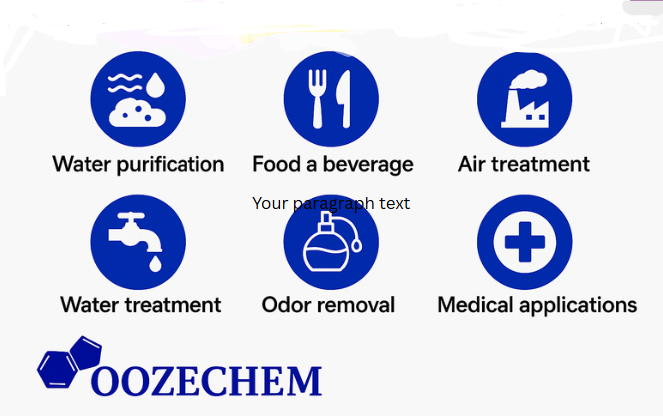
Top Industrial Uses of Activated Carbon in the UAE

6 uses of carbon activated

1. Municipal Water Treatment Systems

In UAE’s water treatment facilities, activated carbon plays a critical role in removing chemical residues, taste and odor compounds, and disinfection by-products from both surface water and desalinated water sources. Municipal treatment plants utilize both GAC filters and PAC dosing systems to ensure drinking water meets international quality standards while addressing region-specific challenges such as algae blooms and seasonal taste issues.

The use of activated carbon filter in water treatment helps eliminate pesticides, pharmaceutical traces, emerging contaminants, and even cyanotoxins that may appear during environmental stress conditions. This application works synergistically with other water treatment chemicals to provide comprehensive water purification solutions.

2. Industrial Air Purification and VOC Control

Manufacturing facilities across the UAE employ activated carbon systems for volatile organic compound removal, odor control, and air quality management. Industries including petrochemicals, pharmaceuticals, food processing, and automotive manufacturing rely on carbon-based air purification to meet environmental regulations and ensure workplace safety.

Modern VOC abatement systems utilize pelletized activated carbon in fixed-bed reactors, achieving removal efficiencies exceeding 95% for most organic vapors. These systems often incorporate automated monitoring and carbon replacement schedules to maintain optimal performance, as recommended by leading industrial chemical suppliers in KSA

3. Biogas and Biomethane Purification

The UAE’s growing renewable energy sector increasingly utilizes activated carbon for biogas purification applications. During anaerobic digestion processes, impurities such as hydrogen sulfide, ammonia, siloxanes, and other volatile compounds can degrade biogas quality and damage downstream equipment.

Specialized impregnated activated carbons effectively remove these contaminants, enabling biogas utilization for electricity generation, heating applications, and transportation fuels. This application supports the UAE’s sustainability initiatives while maximizing renewable energy production efficiency.

4. Food and Beverage Processing

The food and beverage industry throughout the UAE relies on activated carbon for decolorization, deodorization, and purification of ingredients including sugar, gelatin, fruit juices, and alcoholic beverages. Activated carbon removes unwanted flavors, colors, and organic compounds while maintaining product integrity and extending shelf life.

In edible oil purification, activated carbon effectively removes chlorophyll, free fatty acids, and other organic impurities, resulting in clearer, flavor-neutral products that meet international food safety standards. These applications often work in conjunction with other specialty chemicals to achieve optimal processing results.

Specialized Consumer Applications

5. Activated Charcoal Water Filters for Homes and Offices

Residential and commercial activated charcoal water filters represent one of the most common consumer applications in the UAE. These systems remove chlorine, organic compounds, volatile organic compounds (VOCs), and unpleasant tastes and odors from tap water, providing a final polishing step that enhances overall water quality.

Under-sink filtration units, whole-house systems, and point-of-use filters incorporate activated carbon cartridges that can be easily replaced according to manufacturer recommendations. In areas where desalinated water may retain residual chemicals, these filters provide essential water quality improvement.

If you’re looking for trusted sources, read our comprehensive guide on activated carbon suppliers in UAE for expert insights on selecting the right products for your specific applications.

6. Aquarium and Marine Systems

The use of activated carbon in aquarium systems is widespread throughout the UAE’s pet care and marine retail sectors. Aquarium-grade activated carbon removes dissolved organic compounds, tannins, medications residues, and discoloration from both freshwater and saltwater environments.

Given the region’s warm climate, activated carbon helps stabilize water conditions by removing organic waste products that could otherwise lead to algae growth and biological stress in aquatic life. This application serves both hobbyists and commercial aquarium operations including public aquariums and marine research facilities.

Aquarium Systems

Advanced Applications of Activated Carbon and Emerging Technologies

7. Heavy Metal Removal and Environmental Remediation

The adsorption of heavy metals using activated carbon represents a specialized application addressing contamination from electronic waste, mining operations, and industrial processes. Modified activated carbon products, including chemically impregnated and surface-treated variants, effectively remove lead, cadmium, mercury, arsenic, and other toxic metals from contaminated water streams.

These applications are particularly relevant for industries requiring compliance with stringent discharge regulations and environmental protection standards established by UAE authorities. Many facilities integrate activated carbon treatment with other water treatment solutions for comprehensive contamination control.

8. Hazardous Waste Management and Carbon Regeneration

Progressive industrial facilities in the UAE now utilize hazardous waste activated carbon regeneration plants to maximize resource utilization while minimizing environmental impact. These thermal reactivation systems restore spent carbon’s adsorption capacity, creating a circular economy approach that reduces disposal costs and supports sustainability objectives.

Regeneration facilities can process carbon from various applications including gas-phase VOC control, wastewater treatment, and chemical processing, achieving reactivation efficiencies that make the process economically attractive for large-volume users.

Also Check Activated Carbon for oil and Gas Refining

Technical Specifications and Selection Criteria

Carbon TypeDensity (kg/m³)Iodine Number (mg/g)Ash Content (%)Primary Applications
Granular (GAC)400-550800-14001-15Water treatment, air purification
Powdered (PAC)350-550800-12000.5-10Emergency treatment, batch processing
Pelletized430-650800-12001-15Gas-phase VOC removal, industrial air treatment
Coconut Shell450-550900-12002-8Drinking water, food processing

Uses of Coconut Shell Activated Carbon in the Gulf

One of the most eco-friendly and effective types of carbon is coconut shell activated carbon, widely used throughout the Gulf region. This variety has high microporosity and a harder structure, making it suitable for drinking water filters, gas-phase purification, and industrial VOC removal systems.

Coconut  Shells

Uses of Powdered Activated Carbon in Emergency Response

Powdered activated carbon (PAC) is primarily used for fast-response filtration needs, such as chemical spills or contamination events in water supplies. In UAE’s water utilities, PAC is dosed directly into the water stream to adsorb harmful organic substances and algae-related compounds.

It’s also employed in industries requiring high-speed batch treatment for contaminated water or during seasonal taste and odor issues in municipal reservoirs. This rapid response capability makes PAC an essential component of emergency preparedness protocols throughout the region.

Future Trends and Innovation

The activated carbon industry continues evolving through advanced manufacturing techniques, specialized surface modifications, and integrated treatment technologies. Emerging applications include pharmaceutical compound removal, microplastic capture, and advanced oxidation process enhancement.

Research into bio-based activated carbon production, nanostructured carbon materials, and smart monitoring systems promises continued improvements in performance, sustainability, and cost-effectiveness for UAE applications. Leading suppliers like OozeChem stay at the forefront of these technological advances to serve evolving market needs.

Industrial Applications Across Multiple Sectors

Beyond traditional water and air treatment, activated carbon finds extensive use in:

  • Pharmaceutical Manufacturing: Purification of APIs and removal of organic impurities
  • Petrochemical Processing: Recovery of valuable solvents and VOC abatement
  • Electronics Industry: Cleanroom air filtration and process chemical purification
  • Automotive Sector: Fuel vapor recovery and cabin air filtration systems

These diverse applications demonstrate activated carbon’s versatility in supporting UAE’s industrial diversification initiatives.

Conclusion

The wide range of activated carbon applications demonstrates why it remains one of the most effective filtration and purification materials available today. From water treatment and air purification to mining and industrial processing, activated carbon continues to provide reliable performance across numerous industries.

For high-quality activated carbon products and comprehensive water treatment solutions, explore our complete range at OozeChem – your trusted chemical supplier in Dubai, UAE.

Related Resources:

Activated Carbon Filter

Best Activated Carbon Filter in 2026

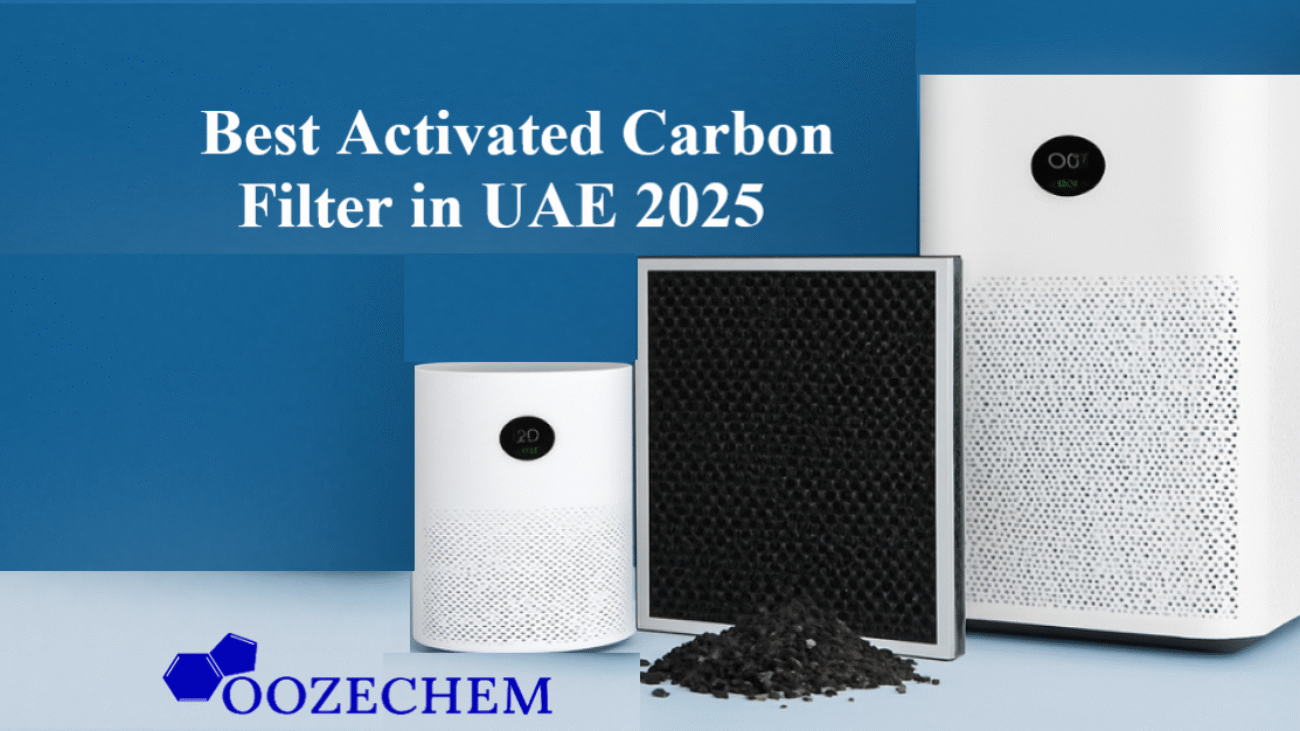
The activated carbon filters market in the UAE continues to grow rapidly in 2025, and OozeChem remains at the forefront of supplying high-quality filtration solutions. From air purifiers and water systems to industrial spray booths and hydrogen sulfide removal, activated carbon stands as one of the most versatile and effective media for purification across the region.

Why Activated Carbon Filters Are Essential in the UAE

Activated carbon is renowned for its exceptional adsorption capacity, making it ideal for filtering out pollutants, odors, and harmful gases. The UAE’s unique environmental challenges—including high temperatures, humidity, dust storms, and industrial emissions—make activated carbon filtration not just beneficial, but essential for maintaining healthy indoor environments and safe water supplies.

Understanding Activated Carbon Technology

Sources and Manufacturing

High-tech activated carbon filters exhibit varying performance characteristics depending on their source materials and manufacturing methods. The most common sources include:

  • Coconut Shell Carbon: Offers fine pore structure ideal for liquid and vapor phase compounds
  • Bituminous Coal: Provides excellent adsorption for larger molecular contaminants
  • Anthracite Coal: Features high hardness and low ash content
  • Bone Char: Specialized applications requiring specific chemical properties

Activation Methods

There are two primary activation methods that determine the carbon’s filtration capabilities:

Steam Activation: Conducted at temperatures between 800°C-1000°C using steam, this process creates a fine pore structure perfect for both liquid and vapor phase adsorption. The result is graded, screened, and de-dusted activated carbon with exceptional surface area—up to 60-150 acres per pound!

Chemical Activation: Using dehydrating agents like phosphoric acid or zinc chloride at 500°C-800°C, this method produces carbon with very open pore structures, making it ideal for adsorbing large molecules.

Complete Product Range and Applications

Filter TypePrimary UseCommon UAE Applications
Air Purifier FiltersIndoor air qualityHomes, offices, clinics, malls
Water Treatment FiltersDrinking water purificationResidential, commercial, hospitality
Spray Booth FiltersIndustrial vapor captureAutomotive, paint shops
Drum FiltersLarge-volume air purificationWastewater treatment, chemical plants
Hood FiltersKitchen/lab exhaustRestaurants, laboratories
H2S Removal FiltersGas treatmentSewage facilities, chemical processing

Air Purifiers with Activated Carbon Filters

In homes, offices, clinics, and public spaces across the UAE, air purifiers with activated carbon filters play an increasingly vital role in maintaining indoor air quality. These filters are specially engineered to adsorb airborne pollutants including volatile organic compounds (VOCs), cigarette smoke, chemical vapors, and persistent odors from cooking or cleaning agents.

The unique porous structure and massive surface area of activated carbon enables it to trap gases and odor molecules that standard HEPA filters cannot capture. This makes them particularly effective in environments where chemical off-gassing, tobacco smoke, or kitchen fumes are common concerns.

Carbon Filter

Key Benefits for UAE Applications:

  • Protection for children, elderly residents, and allergy sufferers
  • Compliance with Dubai Municipality’s indoor air quality regulations
  • Effective performance in dusty and humid climate conditions
  • Low-maintenance, fail-safe operation once properly installed

Many businesses now integrate wall-mounted or centralized air purification systems with activated carbon filters into their HVAC infrastructure, especially in high-traffic environments like malls, gyms, and medical centers.

Advanced Water Filtration Systems

Activated carbon filters for water are widely utilized across residential, commercial, and industrial sectors throughout the UAE to ensure safe, clean, and great-tasting water. From under-sink filters in homes to large-scale municipal treatment plants, these filters offer an efficient, chemical-free solution for removing diverse contaminants.

Primary Water Treatment Functions:

Chlorine Removal: Activated carbon excels at dechlorination with minimal degradation. This process occurs rapidly and allows for high flow rates, though it requires extensive surface area and eventual replacement as organic compounds fill the carbon pores.

Organic Matter Removal: Through adsorption, organic particles and chemicals are trapped as water passes through the filter. The effectiveness depends on five critical factors:

  1. Physical properties (surface area and pore size distribution)
  2. Chemical makeup of carbon source
  3. Contaminant concentration and properties
  4. Water pH and temperature
  5. Empty bed contact time (EBCT)

Advanced Water Treatment Considerations:

  • Physical Properties: Optimal filtration occurs when carbon pores are barely large enough for contaminant adsorption
  • Chemical Properties: Surface interactions create electrical forces that enhance ion exchange
  • Contaminant Specificity: Most effective for large organic molecules with low water solubility
  • Temperature/pH Effects: Higher adsorption rates at lower temperatures and pH levels

For complete water treatment protocols, many UAE facilities pair activated carbon systems with calcium hypochlorite disinfection and caustic soda flakes for pH adjustment.

Industrial Applications in the UAE

Spray Booth Activated Carbon Filters

UAE’s automotive and paint industries rely heavily on activated carbon spray booth filters to capture solvents and paint vapors. These filters are crucial for worker safety and environmental compliance, effectively removing organic compounds before air is discharged to atmosphere.

Activated Carbon Drum Filters

These self-contained cylindrical units are ideal for large-volume air purification in industrial settings. Their design allows for high airflow capacity and extended service life, making them perfect for:

  • Wastewater treatment odor control
  • Chemical storage room ventilation
  • VOC-emitting facility exhaust treatment

Hood Filters for Commercial Applications

Activated carbon hood filters are essential in commercial kitchens, laboratories, and food production areas throughout the UAE. They effectively trap grease-laden vapors, smoke, and odors before exhaust, improving indoor air quality while extending ventilation system lifespan.

Specialized Gas Treatment

Hydrogen Sulfide Removal

Facilities dealing with sewage gas or chemical byproducts require specialized activated carbon filters for hydrogen sulfide removal. These systems protect both workers and equipment from corrosive H₂S gas while maintaining safe working environments.

Filtration Equipment and Design Considerations

Activated carbon filtration systems require careful engineering to optimize performance:

  • Bed Depth: Deeper carbon beds provide extended reaction times for difficult-to-remove contaminants
  • Flow Rate: Slower flow rates improve filtration effectiveness
  • Backwashing: Essential for removing trapped particles and preventing head loss
  • Empty Bed Contact Time (EBCT): Critical parameter for ensuring adequate exposure time

Professional system design must consider the specific application, contaminant types, concentration levels, and performance requirements to select the optimal carbon type and system configuration.

Why Choose OozeChem for Your Activated Carbon Needs

In 2025, activated carbon filters are not just an option—they’re a necessity for cleaner air and safer water in the UAE. Whether for residential, commercial, or industrial applications, investing in high-quality filtration means better regulatory compliance, superior performance, and complete peace of mind.

OozeChem’s comprehensive range of activated carbon solutions can be perfectly paired with calcium hypochlorite or caustic soda flakes for complete treatment systems tailored to UAE’s unique environmental challenges.

Carbon Supply in Dubai

Leading Activated Carbon Suppliers in UAE for Filtration

Activated carbon is one of the most widely used filtration and purification materials across water treatment, air purification, gas processing, food production and industrial manufacturing. Businesses searching for reliable activated carbon suppliers in UAE need products that offer consistent adsorption performance, quality certification and dependable supply. Understanding the different types of activated carbon and their applications can help organizations choose the right solution for their purification requirements.

At OozeChem, we focus on providing top grade activated carbon to help companies run smoother, cleaner and more efficiently. Our goal is simple to offer products that perform consistently and meet high standards, no matter the challenge.

Why Activated Carbon Is Essential?

Activated carbon plays a crucial role in keeping processes clean and efficient. Thanks to its porous structure and large surface area, it traps and removes toxins, contaminants and unwanted odors from different systems.

Industries like water treatment, food processing, petrochemicals and HVAC in Dubai rely heavily on activated carbon to keep operations running smoothly. If the carbon quality is poor, it can clog, break down, or fail when it’s needed most — causing delays and costly issues. Every batch we supply meets strict international quality standards and is tested to perform reliably, even in the harsh conditions of the Middle East.

Types of Activated Carbon Available in UAE

TypeCommon Applications
Powdered Activated Carbon (PAC)Water treatment, decolorization
Granular Activated Carbon (GAC)Filtration systems, water purification
Extruded Activated Carbon (EAC)Air purification, gas treatment
Pelletized Activated CarbonIndustrial adsorption systems

This aligns with how activated carbon is actually categorized and searched.

Benefits of Activated Carbon

  • High adsorption capacity
  • Effective removal of odors and VOCs
  • Supports water purification processes
  • Improves air quality
  • Suitable for liquid and gas filtration
  • Cost-effective purification solution
  • Available in multiple grades and forms
  • Supports environmental compliance
  • Long operational lifespan
  • Suitable for industrial and commercial applications

This section targets additional informational keywords while remaining relevant.

Global Quality Across UAE

Industries across the UAE face challenges related to water quality, industrial emissions, odors, VOCs, and process purification. As a result, activated carbon is widely used in municipal water treatment facilities, oil and gas operations, chemical manufacturing plants, air purification systems, and environmental remediation projects throughout the region.

Frequently Asked Questions

What is activated carbon used for?

Activated carbon is used for water purification, air treatment, gas processing, industrial filtration, solvent recovery, and environmental remediation.

Which type of activated carbon is best?

The best type depends on the application. GAC is commonly used for filtration systems, PAC for rapid adsorption, and EAC for gas purification.

How do I choose an activated carbon supplier in UAE?

Look for product quality, technical support, available grades, certifications, application expertise, and supply reliability.

What industries use activated carbon?

Water treatment, oil and gas, food processing, pharmaceuticals, mining, chemical manufacturing, and air purification industries all use activated carbon extensively.

Let’s Work Together

If you’re looking for a dependable activated carbon supplier in Dubai, OozeChem is here to help. We’re dedicated to offering quality products and reliable service that you can count on, day in and day out.

Get in touch with our team — and let’s find the right solution to keep your business running at its best.

Activated Carbon

Best Activated Carbon in Gold Recovery: Unveiling the Critical Process

Gold recovery is a highly specialized process that requires efficient and cost-effective methods to extract the precious metal from ore. One of the most crucial components in this process is activated carbon, a powerful adsorbent that plays a key role in the extraction and purification of gold. By using activated carbon for gold recovery, industries can achieve high yields while minimizing losses, making it an indispensable solution for mining operations worldwide.

Understanding Activated Carbon and Its Role in Gold Recovery

Activated carbon is a highly porous material derived from organic sources such as coconut shells, wood, and coal. Its extensive surface area and strong adsorption capabilities make it ideal for trapping gold from cyanide leach solutions in a process known as the Carbon-in-Pulp (CIP) and Carbon-in-Leach (CIL) methods. These techniques are widely used in the gold mining industry to efficiently extract and recover gold from ore.

The key benefits of using activated carbon for gold recovery include:

  • High adsorption capacity: Ensures maximum gold recovery from cyanide solutions.
  • Cost-effectiveness: Reduces gold losses and increases overall yield.
  • Reusability: Can be regenerated and reused multiple times, enhancing operational efficiency.

The Gold Recovery Process Using Activated Carbon

  1. Gold Leaching: The ore is crushed and treated with a cyanide solution, which dissolves the gold, forming a gold-cyanide complex.
  2. Adsorption on Activated Carbon: The cyanide solution containing dissolved gold is passed through activated carbon, where gold is adsorbed onto the carbon surface.
  3. Elution Process: The gold-laden carbon is treated with a stripping solution to release the gold, which is then collected for further refining.
  4. Regeneration of Activated Carbon: Used carbon undergoes thermal treatment to remove impurities and restore its adsorption capacity for reuse.

Choosing the Right Activated Carbon Supplier in Dubai, UAE

For mining companies in Dubai, UAE, sourcing high-quality activated carbon is crucial for optimizing gold recovery operations. Reliable activated carbon suppliers in Dubai, UAE offer premium-grade carbon with the necessary pore structure and adsorption properties tailored for gold extraction. When selecting a supplier, consider factors such as:

  • Purity and hardness: Ensuring minimal carbon loss during processing.
  • High adsorption efficiency: Maximizing gold recovery rates.
  • Sustainability and cost-effectiveness: Providing eco-friendly and budget-friendly solutions.

Conclusion

Activated carbon plays an essential role in the gold recovery process, offering superior adsorption capabilities that enhance efficiency and profitability in mining operations. By sourcing high-quality activated carbon from trusted activated carbon suppliers in Dubai, UAE, gold mining companies can achieve sustainable and cost-effective metal extraction. As the demand for gold continues to rise, investing in the right carbon solutions ensures optimal performance and long-term success in the industry.