
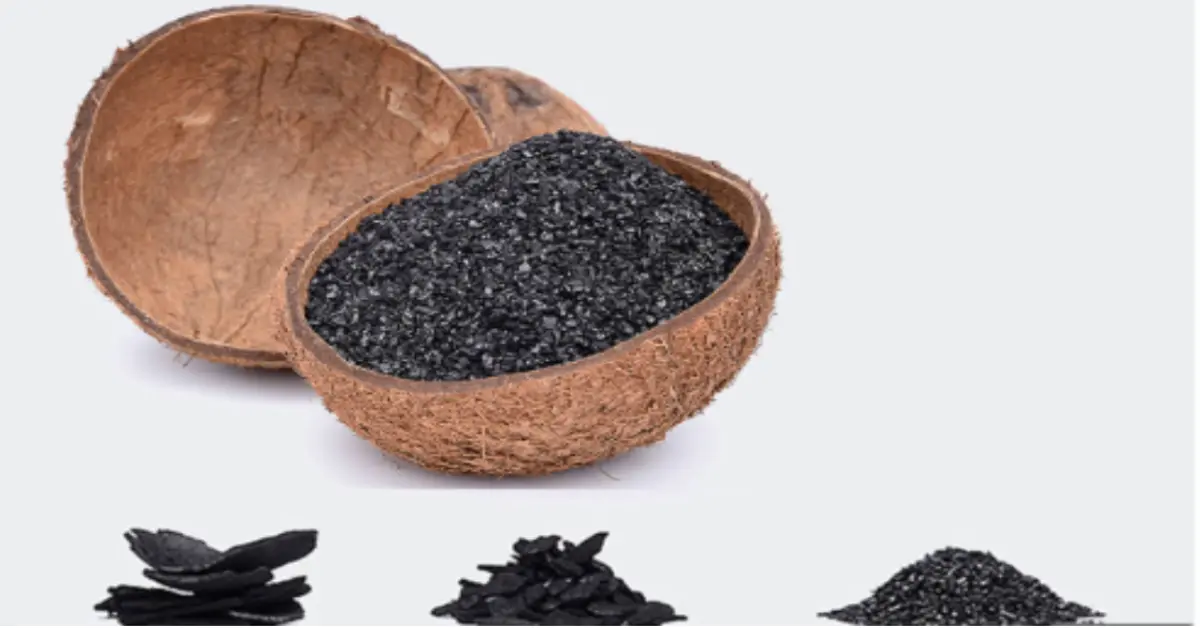
Activated carbon plays a vital role in air purification, water treatment, industrial processing, and environmental protection across the Middle East. In the UAE’s rapidly growing industrial and infrastructure sectors, selecting the right carbon material is essential for efficiency, compliance, and sustainability. This blog explores coal vs coconut shell activated carbon, helping businesses understand performance differences, applications, and suitability for regional conditions.
What is Activated Carbon in UAE Market?
Activated carbon is a highly porous adsorbent material used to remove contaminants, odors, gases, and dissolved organic compounds. It is widely used by every major activated carbon company serving municipal, commercial, and industrial sectors.
With increasing demand from desalination plants, HVAC systems, and manufacturing facilities, the role of a reliable activated carbon supplier has become more critical than ever in the UAE.
Activated Carbon Types in UAE Industries
Among the many activated carbon types used in UAE, two dominate the market:
- Coal-based activated carbon
- Coconut shell activated carbon
- Extruded Activated Carbon
- Granular Activated Carbon
Both materials are effective, but they differ significantly in structure, adsorption behavior, and environmental impact.
What Is Coal-Based Activated Carbon?
Coal based activated carbon is produced from bituminous or anthracite coal and is known for its mixed pore structure, making it suitable for removing larger organic molecules.
It is commonly supplied by every major activated carbon manufacturer in UAE to serve heavy industrial applications requiring high durability.
What Is Coconut Shell Activated Carbon?
Derived from renewable coconut shells, coconut shell activated carbon in UAE is microporous and highly effective for trapping small molecular contaminants. It is increasingly preferred in applications where sustainability and high adsorption efficiency are required.
Difference Between Coal and Coconut Shell Carbon
Understanding the difference between coal and coconut shell carbon is essential for selecting the right filtration media:
| Feature | Coal-Based Carbon | Coconut Shell Carbon |
| Raw material | Fossil-based | Renewable biomass |
| Pore structure | Micro + mesopores | Highly microporous |
| Adsorption focus | Larger molecules | Smaller contaminants |
| Environmental impact | Moderate | Lower |
| Regeneration life | Long | Very long |
Which Activated Carbon Is Better?
The answer to which activated carbon is better depends on the application rather than a single performance metric. Industrial users prioritize strength and versatility, while water and air purification sectors often focus on purity and sustainability.
Applications
Air Filtration Systems
For clean indoor environments, activated carbon for air filtration UAE is widely used in commercial buildings and industrial facilities. It is especially effective in activated carbon for VOC removal in UAE, ensuring compliance with air quality regulations.
In urban areas, activated carbon for odor control is critical for waste processing plants, kitchens, and manufacturing units, while industrial air filtration carbon supports large-scale ventilation systems.
Learn more about how Activated Carbon works in Air Filtration?
Also Check how Activated Carbon works in VOC removal?
Water Treatment
Water safety remains a top priority in the region. Activated carbon for water treatment is used extensively in municipal and private systems to remove chlorine, organics, and unpleasant taste.
For potable use, drinking water activated carbon ensures safety and quality, while advanced activated carbon filtration systems are integrated into desalination and industrial water plants.
Check out our application of activated carbon in water treatment
Industrial and Energy Sector
Heavy industries rely on activated carbon for chemical processing and emissions control. Industrial activated carbon in KSA highlights the regional demand across borders, while activated carbon for chemical industry applications include solvent recovery and purification.
In energy operations, activated carbon for oil and gas UAE is essential for gas purification and wastewater handling, including activated carbon for wastewater treatment to meet environmental standards.
Regional Supply and Availability
Businesses operating across the GCC often require reliable cross border sourcing. Demand extends to bulk activated carbon suppliers in Qatar and wholesale activated carbon in Oman, reflecting strong regional trade.
Choosing the right coconut shell activated carbon supplier or coal based activated carbon supplier ensures consistent quality and regulatory compliance.
Quality, Performance andCost Considerations
Selecting high quality activated carbon requires evaluating pore structure, iodine value, and service life. While cost matters, activated carbon price should always be assessed alongside performance and longevity.
Advanced systems seeking the best activated carbon for filtration in UAE often prioritize adsorption capacity over initial cost.
Specialized HVAC and Urban Applications
For climate controlled environments, best activated carbon for air purification in UAE is commonly integrated into commercial ventilation systems. In modern buildings, coconut shell activated carbon for HVAC is favored due to low dust generation and high efficiency.
For industrial environments, coal based activated carbon for industrial filtration offers mechanical strength and versatility, while activated carbon adsorption efficiency remains a critical performance benchmark.
In dense urban zones, activated carbon for odor removal in Dubai supports hospitality, healthcare, and infrastructure projects.
Trusted Activated Carbon Supplier in the UAE
For businesses looking to buy activated carbon in UAE, working with an experienced supplier is essential. OozeChem is a trusted name providing tailored activated carbon solutions for air, water, and industrial applications across the UAE, including activated carbon in Dubai and activated carbon in Abu Dhabi.
Conclusion
Choosing between coal-based and coconut shell activated carbon depends on application requirements, environmental goals, and performance expectations. Understanding the strengths of each material helps industries optimize filtration efficiency, meet regulations, and support sustainability initiatives across the UAE and GCC.