Polyaluminium chloride, commonly known as PAC, represents one of the most effective and versatile coagulants used in modern water treatment applications. This advanced inorganic polymer has revolutionized the way industries approach water purification, wastewater treatment, and drinking water preparation. Understanding the comprehensive properties, applications, and safety considerations of polyaluminium chloride PAC is essential for professionals working in water treatment, environmental engineering, and industrial processing.
As a highly efficient coagulating agent, polyaluminium chloride has gained widespread acceptance due to its superior performance compared to traditional aluminum sulfate and ferric chloride. The unique molecular structure of PAC enables rapid flocculation, broader pH range effectiveness, and reduced sludge production, making it an ideal choice for diverse water treatment scenarios.

Understanding Polyaluminium Chloride Chemistry
Polyaluminium chloride is a partially hydrolyzed aluminum salt with the general formula [Al₂(OH)ₙCl₆₋ₙ]ₘ, where the degree of hydrolysis typically ranges from 40% to 85%. This complex chemical structure gives PAC its distinctive properties and superior coagulation performance compared to conventional aluminum-based coagulants.
The manufacturing process involves controlled hydrolysis of aluminum chloride or aluminum hydroxide under specific temperature and pH conditions. This process creates pre-polymerized aluminum species that remain stable in solution until they interact with contaminants in water. These pre-formed polymeric structures explain why polyaluminium chloride PAC demonstrates faster coagulation kinetics and more effective particle removal than traditional coagulants.
The basicity of PAC, expressed as the molar ratio of hydroxide to aluminum, significantly influences its coagulation performance. Higher basicity levels generally provide better coagulation efficiency but may reduce storage stability. Manufacturers carefully balance these factors to optimize product performance for specific applications.
Physical Properties and Specifications
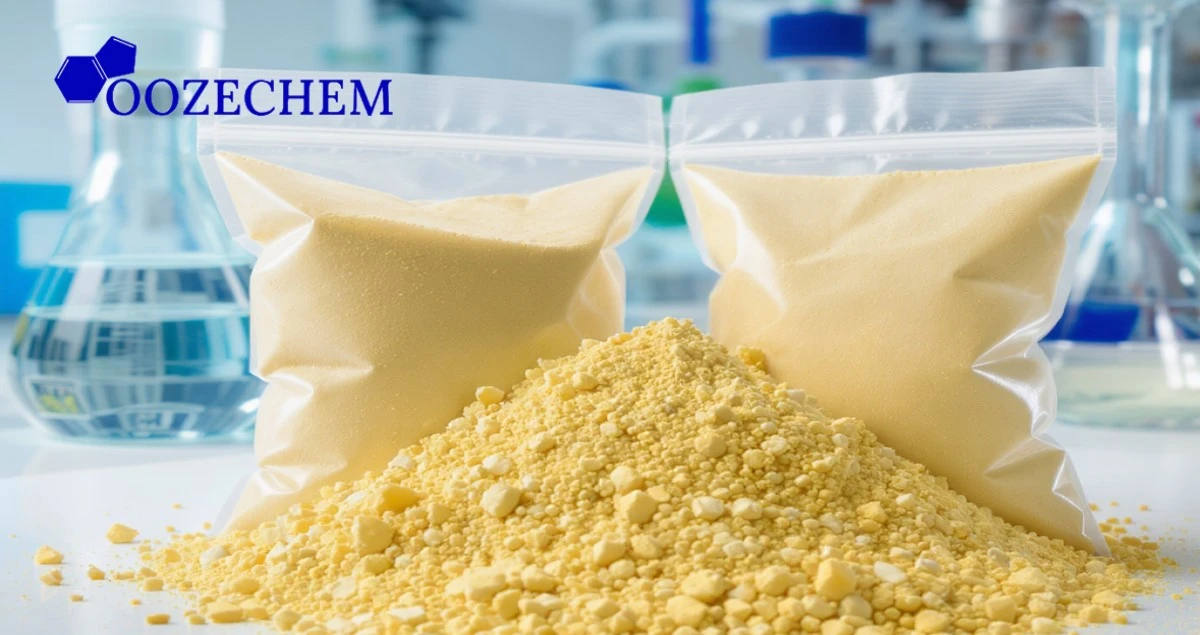
Polyaluminium chloride powder appears as a white to light yellow crystalline substance, while liquid formulations range from colorless to light amber. The powder form offers advantages in storage, transportation, and dosing flexibility, making it particularly suitable for facilities with varying treatment demands.
| Property | Powder Form | Liquid Form |
|---|---|---|
| Appearance | White to light yellow crystals | Colorless to light amber liquid |
| Al₂O₃ Content | 28-30% | 10-12% |
| Basicity | 40-85% | 40-85% |
| pH (1% solution) | 3.5-5.0 | 3.5-5.0 |
| Solubility in Water | Highly soluble | Ready to use |
| Storage Temperature | Room temperature | 5-35°C |
| Shelf Life | 2 years | 1 year |
The aluminum oxide content serves as a key quality indicator, with higher concentrations providing greater coagulation capacity per unit weight. This factor directly impacts polyaluminium chloride price considerations, as products with higher Al₂O₃ content typically command premium pricing due to their enhanced effectiveness and reduced transportation costs.
Water Treatment Applications
Polyaluminium chloride water treatment applications span numerous industries and scenarios, from municipal drinking water facilities to industrial wastewater treatment plants. The versatility of PAC makes it suitable for treating various water sources, including surface water, groundwater, and industrial effluents.
Municipal Water Treatment
In municipal water treatment facilities, PAC serves as the primary coagulant for removing suspended solids, organic matter, and microorganisms. The rapid flocculation characteristics of polyaluminium chloride enable shorter settling times and improved clarifier performance. Municipal plants particularly value PAC’s ability to maintain effectiveness across seasonal water quality variations without requiring frequent dosage adjustments.
Industrial Wastewater Treatment
Industrial applications of polyaluminium chloride water treatment include textile dyeing effluent, paper mill wastewater, food processing discharge, and chemical manufacturing waste streams. PAC’s effectiveness in removing color, turbidity, and organic pollutants makes it indispensable for industries requiring consistent effluent quality to meet discharge regulations.
Swimming Pool and Recreational Water Treatment
Swimming pool maintenance professionals increasingly rely on PAC for clarifying pool water and removing fine particulates that traditional filtration cannot capture. The neutral pH impact of polyaluminium chloride eliminates the need for extensive pH adjustments, simplifying pool chemical management.

Safety Considerations and MSDS Information
Understanding polyaluminium chloride MSDS information is crucial for safe handling, storage, and application of this chemical. While PAC is generally considered safer than many traditional coagulants, proper safety protocols must be followed to prevent exposure risks and ensure worker safety.
Health and Safety Precautions
Polyaluminium chloride MSDS documents typically classify PAC as causing mild skin and eye irritation upon direct contact. Inhalation of powder particles may cause respiratory irritation, particularly in sensitive individuals. Personal protective equipment including safety glasses, chemical-resistant gloves, and dust masks should be worn when handling polyaluminium chloride powder.
Storage and Handling Requirements
Proper storage of PAC requires dry, well-ventilated areas away from incompatible materials such as strong bases and reactive metals. Polyaluminium chloride powder should be stored in sealed containers to prevent moisture adsorption, which can lead to caking and reduced product effectiveness. Liquid PAC formulations require protection from freezing temperatures that could damage storage containers and alter product properties.
Emergency Response Procedures
Emergency response procedures outlined in polyaluminium chloride MSDS documentation emphasize immediate water flushing for skin or eye contact, fresh air for inhalation exposure, and appropriate spill containment measures. Facilities using PAC should maintain emergency eyewash stations and safety showers in handling areas.
Economic Factors and Pricing Considerations
Polyaluminium chloride price structures reflect various factors including raw material costs, manufacturing complexity, transportation expenses, and market demand. Understanding these pricing dynamics helps facilities optimize their chemical procurement strategies while maintaining treatment effectiveness.
Cost-Benefit Analysis
While polyaluminium chloride price per unit may exceed traditional aluminum sulfate costs, the superior performance characteristics often result in lower overall treatment expenses. Reduced chemical consumption, decreased sludge production, and improved process efficiency contribute to favorable total cost of ownership calculations.
Market Pricing Trends
Global polyaluminium chloride price trends reflect aluminum raw material costs, energy prices, and regional supply-demand dynamics. Markets with strong environmental regulations typically support premium pricing for high-quality PAC products that enable facilities to meet stringent discharge standards.
Quality Standards and Specifications
Quality assurance for polyaluminium chloride involves comprehensive testing of key parameters including aluminum oxide content, basicity levels, heavy metal concentrations, and insoluble matter content. International standards such as AWWA B408 and EN 881 provide frameworks for evaluating PAC quality and performance.
Manufacturing facilities producing polyaluminium chloride powder must implement rigorous quality control procedures to ensure consistent product specifications. Batch testing, statistical process control, and customer feedback integration help maintain product reliability and performance predictability.
Application Guidelines and Best Practices
Successful implementation of polyaluminium chloride water treatment requires careful consideration of water chemistry, dosage optimization, and mixing conditions. Jar testing remains the gold standard for determining optimal PAC dosages and evaluating treatment effectiveness under specific water quality conditions.
Dosage rates typically range from 10-100 mg/L depending on raw water quality, treatment objectives, and system design. The broad effective pH range of PAC (5.0-9.0) provides operational flexibility compared to conventional coagulants that require narrower pH windows for optimal performance.
Future Developments and Innovations
Ongoing research in polyaluminium chloride technology focuses on developing enhanced formulations with improved stability, broader application ranges, and reduced environmental impact. Advanced manufacturing techniques are producing PAC variants with tailored properties for specific treatment challenges.
Environmental sustainability considerations are driving development of polyaluminium chloride products with reduced carbon footprints and improved biodegradability characteristics. These innovations align with growing industry emphasis on sustainable water treatment solutions.
Conclusion
Polyaluminium chloride represents a cornerstone technology in modern water treatment applications, offering superior performance, operational flexibility, and economic advantages over traditional coagulants. Understanding the comprehensive properties, safety requirements, and application guidelines enables facilities to maximize the benefits of this versatile treatment chemical.
Whether selecting polyaluminium chloride powder for flexible dosing applications or evaluating polyaluminium chloride price considerations for budget planning, informed decision-making requires thorough understanding of PAC’s unique characteristics and capabilities. As water treatment challenges continue evolving, polyaluminium chloride will undoubtedly remain a critical tool for achieving water quality objectives across diverse applications and industries.