
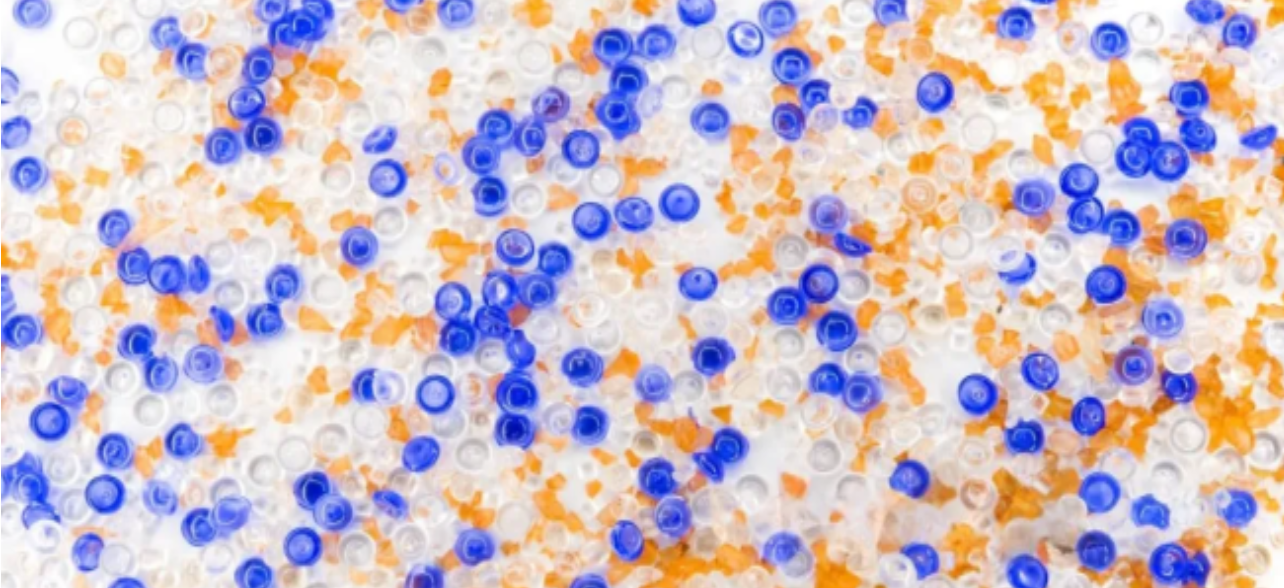
Silica gel is one of the most widely used desiccant materials for moisture control across industries such as packaging, pharmaceuticals, electronics, and logistics. Due to its high adsorption capacity and chemical stability, silica gel can absorb up to 30–40% of its weight in moisture, making it highly effective for humidity control in storage and transportation environments.
However, not all silica gel is the same. It is mainly divided into indicating and non-indicating types, each designed for specific applications and operational needs. Understanding these differences is essential when selecting the right product.
What is Indicating Silica Gel?
Indicating silica gel is a special type of desiccant that changes color when it absorbs moisture, allowing users to visually monitor saturation levels. This is achieved by adding moisture sensitive chemicals such as cobalt chloride or organic dyes.
For example:
- Blue silica gel → turns pink when saturated
- Orange silica gel → turns green when saturated
This color-changing property makes indicating silica gel highly useful in applications where real time monitoring of moisture levels is required, such as:
- Electronics and equipment storage
- Pharmaceutical packaging
- Shipping containers
- Industrial systems
You can explore Oozechem’s different indicating silica gel options here:
What is Non-Indicating Silica Gel?
Non-indicating silica gel is the standard form of silica gel that does not change color as it absorbs moisture. It typically appears as white or transparent beads and is widely used for general-purpose moisture control.
Key characteristics:
- No color change during absorption
- High adsorption capacity (up to ~30%)
- Non-toxic and chemically inert (
This type is commonly used in:
- Food packaging
- Pharmaceutical products
- Textile and leather storage
- Machinery and electronics
Learn more about non-indicating silica gel:
Difference Between Indicating and Non-Indicating Silica Gel
| Feature | Indicating Silica Gel | Non-Indicating Silica Gel |
| Color Change | Yes (blue→pink, orange→green) | No |
| Monitoring | Visual indication | Requires manual checking |
| Safety | May contain indicators (cobalt/dyes) | Non-toxic and safer |
| Cost | Slightly higher | More economical |
| Applications | Critical monitoring systems | General moisture control |
Industrial Applications of Silica Gel
Silica gel is used across multiple industries for moisture control and product protection:
Silica Gel in Electronics
Silica gel in the electronic industry in UAE plays a critical role in preventing corrosion and moisture related damage to sensitive components such as circuit boards, semiconductors, and connectors. Even small amounts of humidity can lead to oxidation, short circuits, or reduced performance over time. By absorbing excess moisture within packaging or storage environments, silica gel helps maintain a dry atmosphere, ensuring the reliability and lifespan of electronic devices during storage and transportation.
Silica Gel in Pharmaceuticals
In the pharmaceutical sector, maintaining controlled humidity levels is essential to preserve the stability and effectiveness of medicines, capsules, and diagnostic products. Moisture exposure can degrade active ingredients, alter chemical composition, or reduce shelf life. Silica gel is commonly placed inside packaging to protect pharmaceutical products from humidity, ensuring they remain safe, effective, and compliant with quality standards throughout their lifecycle.
Silica Gel in Food packaging
In food packaging, silica gel is used to control moisture levels within sealed containers, preventing spoilage caused by excess humidity. Moisture can lead to bacterial growth, texture changes, and reduced product freshness, especially in dry foods, snacks, and powdered products. By maintaining a stable internal environment, silica gel helps extend shelf life, preserve quality, and reduce the risk of contamination during storage and distribution.
Silica Gel in Textiles and leather
Within the textile and leather industries, silica gel is widely used to prevent mold, mildew, and moisture-related deterioration. Fabrics and leather materials are highly sensitive to humidity, which can cause discoloration, unpleasant odors, and structural damage. During storage and shipping, silica gel helps maintain dryness, protecting materials from environmental moisture and ensuring they reach end users in optimal condition.
Silica Gel in Shipping and logistics
In shipping and logistics, silica gel is essential for protecting goods during transit, especially when products are exposed to varying temperatures and humidity levels. Containers, warehouses, and cargo shipments often experience condensation, which can damage packaging, corrode metal parts, and degrade sensitive goods. Silica gel acts as a moisture control solution inside packaging and containers, reducing the risk of damage and ensuring products arrive safely and in their intended quality.
How to Choose the Right Silica Gel?
Choosing the right type depends on your application:
- Use indicating silica gel when:
- You need visual monitoring
- Moisture levels must be tracked
- Use non-indicating silica gel when:
- Safety and cost are priorities
- No visual indication is required
- Use orange silica gel for:
- Food and pharmaceutical environments (safer alternative)
Contact Oozechem for bulk supply and Fast delivery!
Why is OozeChem a Trusted Silica Gel Supplier?
When sourcing silica gel suppliers in UAE and GCC, quality and consistency are critical. OozeChem provides a complete range of industrial grade silica gel products, including:
- White silica gel
- Blue indicating silica gel
- Orange silica gel
- Grey silica gel
- Bulk desiccant solutions
With reliable supply and industry focused solutions, OozeChem supports packaging, logistics, pharmaceutical, and industrial sectors across the region.
Explore our product range: Desiccant Silica Gel
FAQs
What is the difference between indicating and non-indicating silica gel?
Indicating silica gel changes color when saturated, while non-indicating silica gel does not.
Is indicating silica gel safe?
Some types (like blue silica gel) contain cobalt chloride, while newer types (orange silica gel) are safer alternatives
Which silica gel is best for food packaging?
Non-indicating (white) or orange silica gel is preferred due to safety considerations.
Can silica gel be reused?
Yes, silica gel can be regenerated by heating and reused multiple times
Final Thoughts
Understanding the difference between indicating and non-indicating silica gel is essential for selecting the right desiccant for your application. While both types offer strong moisture absorption, the choice depends on whether visual monitoring, safety, or cost efficiency is your priority.
For businesses operating in UAE and GCC, choosing a reliable supplier ensures consistent product performance and long term protection of moisture sensitive goods.