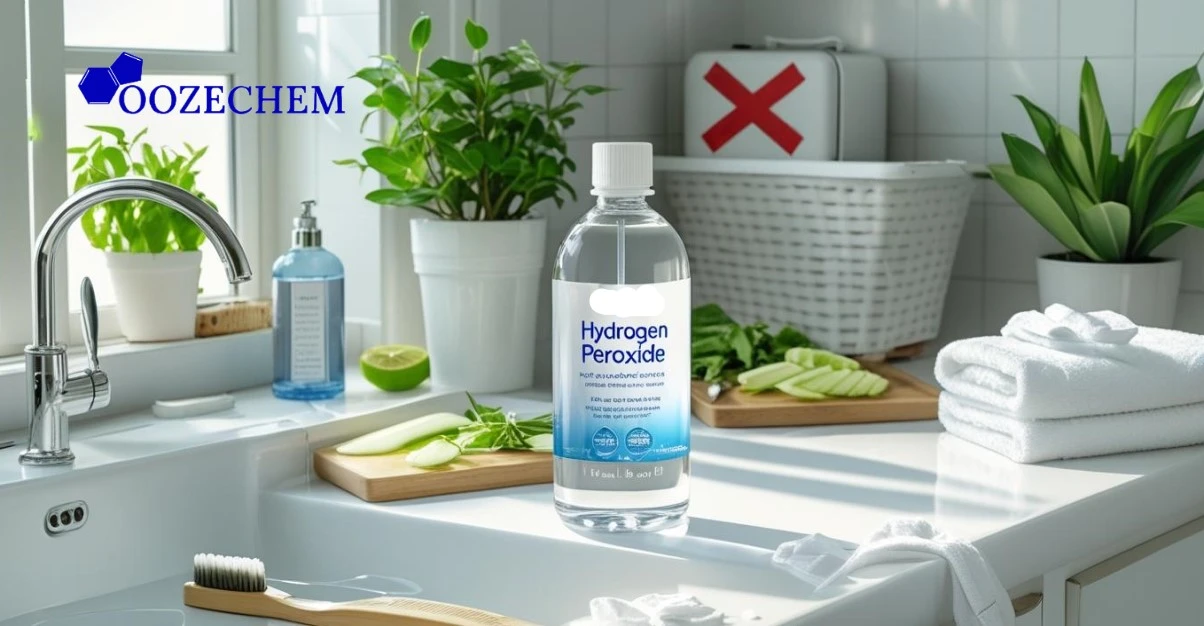
Hydrogen peroxide, commonly known as H2O2, is far more versatile than most people realize. While many associate this powerful oxidizing agent primarily with wound care and hair bleaching, the extensive hydrogen peroxide uses span across healthcare, industrial applications, environmental solutions, and everyday household needs. Understanding what is hydrogen peroxide used for opens up a world of practical applications that can simplify your life while providing effective, eco-friendly solutions.
The comprehensive hydrogen peroxide uses continue to expand as researchers and professionals discover new applications for this remarkable compound. From advanced medical treatments to innovative agricultural solutions, these diverse hydrogen peroxide uses demonstrate remarkable versatility that makes it an essential chemical in numerous industries and applications. The growing recognition of hydrogen peroxide uses across multiple sectors highlights its importance as a sustainable chemical solution.
At OozeChem.com, we provide high-quality hydrogen peroxide solutions for various concentrations and applications, ensuring you have access to the right grade for your specific needs.
Understanding Hydrogen Peroxide Properties
Before exploring the 12 hydrogen peroxide uses, it’s essential to understand the fundamental properties that make H2O2 so versatile. Hydrogen peroxide is a chemical compound consisting of two hydrogen atoms and two oxygen atoms, creating a powerful oxidizing agent that breaks down into water and oxygen upon decomposition.
| Property | 3% Solution | 35% Solution | 90% Solution |
|---|---|---|---|
| Appearance | Clear, colorless liquid | Clear, colorless liquid | Clear, colorless liquid |
| pH | 4.5-5.5 | 1.5-3.0 | 1.0-2.0 |
| Stability | Moderate | Lower | Requires stabilizers |
| Primary Uses | Household, medical | Food grade, industrial | Rocket fuel, specialized |
| Storage Requirements | Cool, dark place | Refrigeration recommended | Special handling required |
| Decomposition Rate | Slow | Moderate | Rapid without stabilizers |
This unique chemical structure enables hydrogen peroxide to serve multiple functions including disinfection, bleaching, oxidation, and environmental remediation, making it one of the most useful chemicals available today.
1. Advanced Wound Care and Medical Applications
Beyond basic first aid, hydrogen peroxide health uses extend to sophisticated medical applications. Medical professionals utilize various concentrations of H2O2 for wound irrigation, surgical site preparation, and specialized treatments for chronic wounds and infections.
In healthcare settings, hydrogen peroxide serves as an effective antimicrobial agent that eliminates bacteria, viruses, and fungi without leaving harmful residues. The oxygen-rich environment created by H2O2 decomposition promotes healing while preventing anaerobic bacterial growth that can complicate wound recovery.
Medical Applications Include:
- Chronic wound debridement and cleaning
- Surgical instrument sterilization
- Root canal disinfection in dentistry
- Treatment of certain skin conditions
- Emergency wound irrigation in trauma care

2. Industrial Water Treatment and Purification
One of the most significant uses of H2O2 hydrogen peroxide lies in water treatment applications. Industrial facilities, municipal water systems, and specialized treatment plants rely on hydrogen peroxide for removing organic contaminants, controlling microbial growth, and oxidizing harmful substances in water supplies.
The environmental friendliness of hydrogen peroxide makes it particularly attractive for water treatment applications, as it decomposes into harmless water and oxygen without creating toxic byproducts or persistent residues that could harm aquatic ecosystems.
3. Food Processing and Safety Applications
Food industry professionals utilize food-grade hydrogen peroxide for sanitizing equipment, extending shelf life, and ensuring product safety. The uses of H2O2 hydrogen peroxide in food processing include surface disinfection, packaging sterilization, and direct food treatment under controlled conditions.
| Food Application | Concentration | Purpose | Contact Time |
|---|---|---|---|
| Equipment Sanitization | 0.5-3% | Surface disinfection | 1-5 minutes |
| Packaging Sterilization | 15-35% | Aseptic packaging | 30 seconds |
| Produce Washing | 0.1-0.5% | Pathogen reduction | 1-2 minutes |
| Dairy Equipment | 1-3% | Pipeline cleaning | 10-30 minutes |
| Beverage Processing | 0.05-0.5% | Tank sanitization | 5-15 minutes |
4. Textile and Fabric Bleaching
The textile industry extensively employs hydrogen peroxide for bleaching natural and synthetic fibers. Unlike chlorine-based bleaches, H2O2 provides effective whitening without weakening fabric fibers or creating harmful chlorinated compounds.
This application represents one of the most established hydrogen peroxide uses in manufacturing, where controlled bleaching processes achieve consistent color removal while maintaining fabric integrity and strength.
5. Environmental Remediation and Pollution Control
Environmental engineers increasingly utilize hydrogen peroxide for soil and groundwater remediation projects. The powerful oxidizing properties of H2O2 break down organic pollutants, petroleum hydrocarbons, and other contaminants into harmless byproducts.
Environmental Applications:
- Soil Remediation – Breaking down petroleum hydrocarbons and organic pollutants
- Groundwater Treatment – Oxidizing dissolved contaminants in aquifer systems
- Air Pollution Control – Removing organic compounds from industrial emissions
- Wastewater Treatment – Advanced oxidation processes for complex pollutants
6. Agricultural and Horticultural Enhancement
Modern agriculture benefits from numerous hydrogen peroxide health uses for plants and soil systems. Farmers and gardeners use diluted H2O2 solutions to improve root oxygenation, control plant diseases, and enhance seed germination rates.
The oxygen release from hydrogen peroxide decomposition creates beneficial growing conditions while eliminating harmful pathogens that can damage crops or ornamental plants.
7. Swimming Pool and Spa Maintenance
Pool maintenance professionals recognize hydrogen peroxide as an effective alternative to traditional chlorine-based sanitizers. What is hydrogen peroxide used for in aquatic applications includes water clarification, algae control, and maintaining safe swimming conditions without harsh chemical residues.
The non-irritating nature of properly diluted hydrogen peroxide makes it particularly suitable for individuals with chlorine sensitivities or those seeking more natural pool treatment options.
8. Laboratory and Research Applications
Scientific laboratories utilize various grades of hydrogen peroxide for analytical procedures, sample preparation, and equipment cleaning. Research applications require high-purity H2O2 that meets strict specifications for trace metal content and organic impurities.
| Laboratory Use | Concentration | Application | Special Requirements |
|---|---|---|---|
| Sample Digestion | 30-50% | Trace metal analysis | Ultra-pure grade |
| Equipment Cleaning | 3-10% | Glassware sterilization | Low metal content |
| Cell Culture | 0.1-1% | Oxidative stress studies | Tissue culture grade |
| Analytical Standards | Various | Calibration solutions | Certified reference |
| Safety Testing | 0.5-5% | Antimicrobial efficacy | Pharmaceutical grade |
9. Rocket Fuel and Aerospace Applications
High-concentration hydrogen peroxide serves as a monopropellant and oxidizer in rocket propulsion systems. This specialized application requires extremely pure H2O2 (90%+ concentration) with specific additives to maintain stability and performance under extreme conditions.
Space agencies and aerospace manufacturers rely on hydrogen peroxide for attitude control thrusters, emergency power systems, and auxiliary propulsion units where reliability and performance are critical.
10. Paper and Pulp Manufacturing
The paper industry utilizes hydrogen peroxide for bleaching wood pulp and recycled paper products. This application represents one of the largest industrial uses of H2O2 hydrogen peroxide, where it provides effective whitening while maintaining fiber strength and quality.
Modern paper mills favor hydrogen peroxide over chlorine-based bleaching agents due to environmental benefits and improved product characteristics.
11. Personal Care and Cosmetic Applications
Cosmetic manufacturers incorporate hydrogen peroxide into various personal care products including teeth whitening systems, hair lightening products, and acne treatments. These applications require careful formulation to balance effectiveness with safety considerations.
Personal Care Uses:
- Teeth Whitening – Professional and at-home whitening systems
- Hair Bleaching – Color removal and lightening treatments
- Acne Treatment – Antimicrobial therapy for problem skin
- Nail Care – Cuticle treatment and nail whitening
- Foot Care – Antifungal treatments and callus softening
12. Electronics and Semiconductor Manufacturing
The electronics industry uses ultra-pure hydrogen peroxide for cleaning semiconductor wafers, removing organic residues, and preparing surfaces for precision manufacturing processes. This application demands the highest purity grades with minimal ionic contamination.
Semiconductor fabrication facilities rely on hydrogen peroxide for critical cleaning steps that ensure optimal device performance and manufacturing yields.

Safety Considerations and Handling Guidelines
Understanding what is hydrogen peroxide used for safely requires knowledge of proper handling, storage, and dilution procedures. Different concentrations require specific safety protocols to prevent accidents and ensure effective application.
Safety Guidelines by Concentration:
- 3% Solutions – Generally safe for household use with basic precautions
- 10-35% Solutions – Require protective equipment and proper ventilation
- 50%+ Solutions – Demand specialized handling and emergency procedures
Concentration Guide for Different Applications
| Application Category | Typical Concentration | Safety Level | Special Precautions |
|---|---|---|---|
| Household Cleaning | 3-6% | Low risk | Basic PPE recommended |
| Medical/Healthcare | 3-35% | Moderate risk | Professional training required |
| Industrial Process | 35-70% | High risk | Specialized equipment needed |
| Aerospace/Military | 90%+ | Extreme risk | Expert handling only |
Storage and Stability Considerations
Proper storage ensures hydrogen peroxide maintains its effectiveness while preventing dangerous decomposition reactions. Storage requirements vary significantly based on concentration, with higher strengths requiring specialized containers and environmental controls.
Temperature control, container materials, and contamination prevention represent critical factors in maintaining hydrogen peroxide stability and safety throughout its storage life.
Quality Standards and Specifications
Different applications require specific grades of hydrogen peroxide with varying purity levels and additive packages. Understanding these specifications helps ensure optimal performance and regulatory compliance for intended uses.
Common Grades Available:
- Technical Grade – General industrial applications
- Food Grade – FDA-approved for food contact applications
- Pharmaceutical Grade – USP standards for medical use
- Electronic Grade – Ultra-pure for semiconductor applications
- Propulsion Grade – Military and aerospace specifications
Environmental Benefits and Sustainability
The environmental advantages of hydrogen peroxide make it increasingly popular as industries seek sustainable alternatives to traditional chemicals. The decomposition of H2O2 into water and oxygen creates no persistent environmental residues or toxic byproducts.
This eco-friendly characteristic positions hydrogen peroxide as a preferred choice for applications where environmental impact is a significant consideration.
Economic Considerations and Cost Analysis
While hydrogen peroxide may have higher upfront costs compared to some traditional chemicals, the total cost of ownership often favors H2O2 due to reduced disposal costs, environmental compliance savings, and improved process efficiency.
Economic analysis should consider factors including chemical costs, safety equipment requirements, waste disposal expenses, and regulatory compliance costs when evaluating hydrogen peroxide applications.
Future Applications and Emerging Uses
Research continues to identify new applications for hydrogen peroxide across various industries. Emerging uses include advanced oxidation processes, novel medical treatments, sustainable manufacturing processes, and innovative agricultural applications.
The versatility and environmental compatibility of hydrogen peroxide position it as a key chemical for future sustainable technologies and applications.
Conclusion
The 12 hydrogen peroxide uses outlined in this comprehensive guide demonstrate the remarkable versatility of this powerful oxidizing agent. From essential hydrogen peroxide health uses in medical applications to sophisticated industrial processes, H2O2 continues to prove its value across diverse applications and industries.
Understanding what is hydrogen peroxide used for enables professionals and consumers to harness the full potential of this remarkable chemical while maintaining safety and effectiveness. Whether you’re exploring household applications or industrial processes, the extensive uses of H2O2 hydrogen peroxide offer solutions that are both effective and environmentally responsible.
At OozeChem.com, we provide high-quality hydrogen peroxide solutions across all concentrations and grades, supported by technical expertise and comprehensive safety guidance. Our commitment to quality ensures that you receive the right hydrogen peroxide product for your specific application needs, backed by reliable supply and professional support services.