
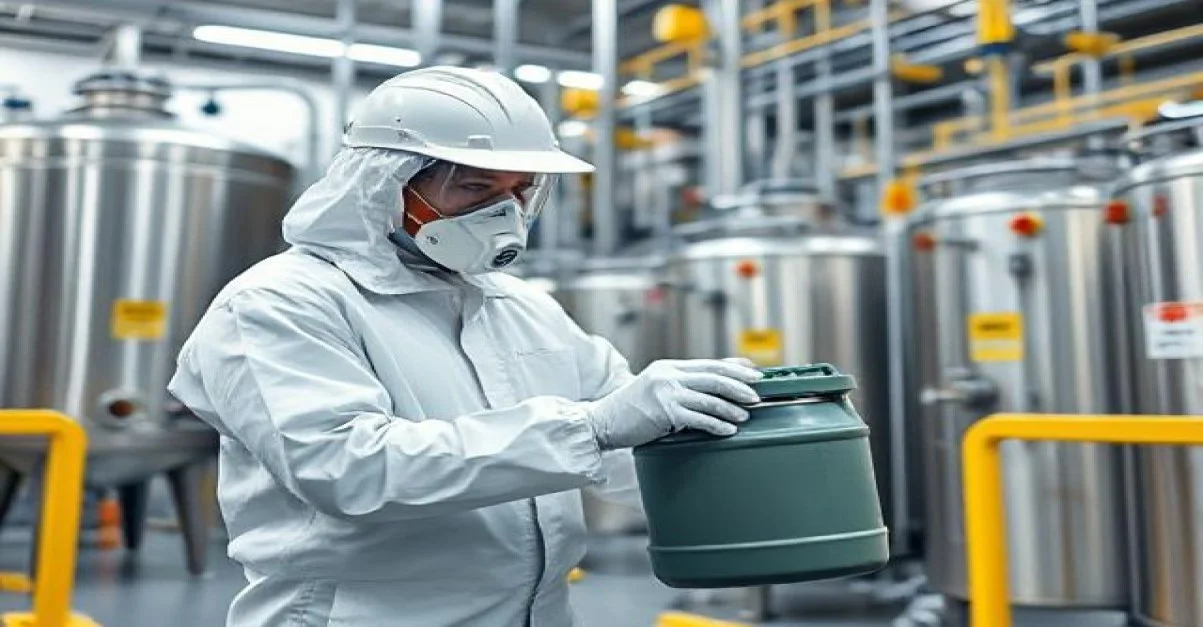
In today’s industrial landscape, hazardous material handling is a critical component of workplace safety, regulatory compliance, and environmental protection. Industries such as chemical manufacturing, construction, oil and gas, mining, and logistics rely on proper hazardous materials handling procedures to reduce risks associated with toxic, flammable, corrosive, and reactive substances. Understanding safety protocols for handling hazardous materials helps organizations prevent accidents, protect workers, and maintain compliance with OSHA and international safety standards.
Types of Hazardous Materials
Hazardous materials are generally classified into several categories based on their physical and chemical properties. Common examples include:
- Flammable liquids and gases
- Corrosive chemicals
- Toxic substances
- Oxidizing agents
- Explosive materials
- Radioactive substances
- Environmental hazards
Understanding these classifications helps organizations implement appropriate hazardous material handling procedures and select the correct protective measures.
Understanding Hazardous Materials and Their Risks
Hazardous materials encompass a wide range of substances that pose potential threats to human health, property, or the environment. These materials include toxic chemicals, flammable liquids, corrosive substances, explosives, and radioactive materials. The risks associated with improper hazardous material handling can result in chemical burns, respiratory problems, fires, explosions, and long-term health complications including cancer.
According to industry statistics, thousands of hazmat incidents occur annually, with human error being one of the leading causes. This underscores the importance of establishing robust safety protocols and ensuring all personnel understand how to handle hazardous materials safely and effectively.
Essential Safety Protocols for Hazardous Material Handling
Risk Assessment and Material Identification
The foundation of effective hazardous materials handling begins with comprehensive risk assessment. Organizations must identify all hazardous substances present in their workplace, evaluate potential exposure routes, and understand the specific dangers each material presents. This includes reviewing Safety Data Sheets (SDS) for every chemical and establishing clear procedures for material identification and classification.

Personal Protective Equipment (PPE) Requirements
- Chemical-resistant gloves and clothing
- Respiratory protection devices
- Safety goggles and face shields
- Steel-toed boots with chemical resistance
- Emergency eyewash and shower stations
Regular PPE inspection and replacement protocols ensure equipment remains effective and provides adequate protection during hazardous material handling operations.
Storage and Containment Protocols
Effective storage protocols are crucial for preventing accidents and maintaining chemical safety hazards at manageable levels. Key storage requirements include:
- Segregating incompatible chemicals to prevent dangerous reactions
- Maintaining appropriate temperature and humidity conditions
- Ensuring proper ventilation in storage areas
- Using approved containers with secure, leak-proof sealing
- Implementing secondary containment systems for bulk storage
Training and Certification Requirements
Comprehensive Hazmat Training Programs
All personnel involved in handling hazardous materials must receive thorough training covering general awareness, function-specific procedures, safety practices, and emergency response. Training programs should include:
- Hazard recognition and classification
- Proper handling techniques and procedures
- Emergency response and evacuation procedures
- First aid and medical emergency response
- Equipment operation and maintenance
Regular refresher training ensures knowledge remains current and workers stay informed about evolving safety standards and regulations.
Hazardous Material Handler Certification
A qualified hazardous material handler must possess appropriate certifications demonstrating competency in safe handling practices. Certification requirements typically include completing approved training courses, passing written examinations, and maintaining continuing education credits. These certifications validate that handlers understand regulatory requirements and can implement proper safety protocols.
Industry-Specific Safety Considerations
Handling Hazardous Materials in Construction
Construction sites present unique challenges for hazardous materials safety due to varying work environments and multiple contractors. Safety protocols for handling hazardous materials in construction must address:
- Coordination between multiple teams and subcontractors
- Temporary storage solutions and mobile containment systems
- Weather-related considerations for outdoor operations
- Equipment decontamination procedures

Chemical Manufacturing and Processing
Chemical manufacturing operations require specialized protocols for handling raw materials, intermediates, and finished products. These facilities must implement process safety management systems, conduct regular hazard analyses, and maintain strict quality control measures throughout production cycles.
Transportation Safety Protocols
Safety Precautions for Transportation of Hazardous Chemicals
Transporting hazardous materials requires adherence to strict federal regulations and industry best practices. Essential safety precautions for transportation of hazardous chemicals include:
- Proper packaging using certified containers and materials
- Accurate labeling and documentation requirements
- Vehicle inspection and maintenance protocols
- Driver training and certification requirements
- Emergency response planning and equipment
Route planning must consider factors such as population density, environmental sensitivity, and emergency response capabilities along transportation corridors.
Documentation and Communication Requirements
Comprehensive documentation ensures all parties understand the materials being transported and appropriate response measures. This includes shipping papers, emergency contact information, and detailed material safety information accessible to drivers and emergency responders.
Emergency Response and Incident Management
Spill Response Procedures
Effective spill response protocols minimize exposure risks and environmental impact. Response procedures must include:
- Immediate area evacuation and personnel accountability
- Spill containment and cleanup procedures
- Emergency notification protocols
- Environmental monitoring and assessment
- Proper disposal of contaminated materials
Regular drills ensure personnel can respond quickly and effectively during actual emergencies.
Medical Emergency Response
Chemical exposure incidents require immediate and appropriate medical response. Facilities must maintain emergency medical supplies, establish relationships with medical professionals familiar with chemical exposures, and ensure rapid access to poison control resources.
Regulatory Compliance and Best Practices
DOT and OSHA Requirements
Hazardous material operations must comply with Department of Transportation (DOT) and Occupational Safety and Health Administration (OSHA) regulations. These requirements cover training, documentation, equipment specifications, and operational procedures. Regular compliance audits help identify potential gaps and ensure continuous adherence to regulatory standards.
Industry Best Practices
Beyond regulatory compliance, implementing industry best practices enhances safety performance and operational efficiency. These practices include:
- Continuous improvement programs for safety performance
- Regular safety audits and assessments
- Employee feedback systems and safety suggestion programs
- Integration with environmental management systems
- Coordination with water treatment and air purification systems
Technology and Innovation in Hazmat Safety
Advanced Monitoring Systems
Modern hazmat operations benefit from real-time monitoring technologies that detect leaks, measure air quality, and track personnel exposure levels. These systems provide early warning capabilities and support data-driven decision making for safety improvements.
Smart Packaging and Containment Solutions
Innovative packaging solutions incorporate sensors and smart materials that provide real-time information about container integrity and material condition. These technologies enhance safety during storage and transportation while providing valuable data for risk management.
Creating a Culture of Safety
Leadership Commitment and Employee Engagement
Successful hazardous material handling programs require strong leadership commitment and active employee participation. Organizations must foster open communication about safety concerns, recognize safe behaviors, and continuously reinforce the importance of following established protocols.
Continuous Improvement and Learning
Regular evaluation of safety performance, incident analysis, and lessons learned from industry best practices support continuous improvement in hazardous material handling operations. This includes staying current with technological advances and regulatory changes that may impact operations.
Frequently Asked Questions
What is hazardous material handling?
Hazardous material handling refers to the safe storage, transportation, use, and disposal of substances that can pose risks to people, property, or the environment.
What PPE is required for hazardous material handling?
Common PPE includes chemical-resistant gloves, safety goggles, face shields, respirators, protective clothing, and safety footwear, depending on the material being handled.
Why is hazardous material training important?
Training helps workers identify hazards, follow safe handling procedures, respond to emergencies, and comply with workplace safety regulations.
What industries commonly handle hazardous materials?
Industries such as chemical manufacturing, oil and gas, construction, mining, pharmaceuticals, logistics, and water treatment frequently handle hazardous materials.
What are the main risks of improper hazardous material handling?
Improper handling can lead to chemical exposure, fires, explosions, environmental contamination, injuries, and regulatory penalties.
Conclusion
Effective hazardous material handling requires comprehensive safety protocols, proper training, appropriate equipment, and unwavering commitment to safety excellence.As industrial operations continue evolving, staying current with safety technologies, regulations, and best practices remains essential for maintaining safe and effective hazardous material handling operations. Whether working with oil and gas applications, mining operations, or specialized cleaning and detergent formulations, proper hazmat protocols ensure sustainable and safe.