In the oil and gas industry, where precision and purity can make or break operations, activated carbon plays a crucial role. From refining crude oil to purifying natural gas and treating wastewater, activated carbon is a versatile material that supports cleaner, safer, and more efficient processes. If you’re looking for a reliable source, OozeChem stands out as the best chemical supplier and activated carbon supplier in the UAE, serving all Gulf countries with high quality products and expert service.
In this guide, we’ll cover the essential aspects of activated carbon in oil and gas refining, explain how activated carbon works, explore its applications, and help you understand why selecting the right product and supplier matters.
What Is Activated Carbon?
Activated carbon is a specially processed form of carbon known for its extensive porous structure and massive internal surface area. This unique structure allows it to adsorb impurities and contaminants from gases and liquids, making it indispensable in industrial purification.
How activated carbon works is quite fascinating: impurities are trapped in its pores via adsorption a process where molecules adhere to the surface without chemical reaction, efficiently removing unwanted compounds. This is why activated carbon filters are common in many industrial and environmental applications.
Activated Carbon Adsorption: The Science Behind the Magic
The activated carbon adsorption process is all about surface interaction. When gas or liquid passes through an activated carbon bed or filter, pollutants stick to the carbon surface due to van der Waals forces. The high surface area, often exceeding 1000 m² per gram, means more contaminants can be trapped effectively.
This makes activated carbon filters essential in removing sulfur compounds, mercury, volatile organic compounds (VOCs), and other hazardous substances from oil and gas streams.
Activated Carbon in Oil and Gas Refining: Key Applications
1. Gas Purification and Sweetening
One of the primary uses of activated carbon in oil and gas refining is purifying natural gas and refinery gas streams. Impurities such as hydrogen sulfide (H₂S), mercaptans, and mercury must be removed to meet stringent product specifications and protect downstream equipment.
Activated carbon filters, often impregnated with sulfur or other chemicals, effectively adsorb these impurities, safeguarding catalysts and ensuring smooth operation.
2. Hydrocarbon and Liquid Stream Treatment
Activated carbon is also used extensively to decolorize and deodorize oils, lubricants, and condensates in refineries. By adsorbing trace organics and sulfur compounds, it helps improve product quality and stability.
3. Produced Water and Wastewater Treatment
Oil and gas operations generate large volumes of wastewater containing hydrocarbons, heavy metals, and organic contaminants. Activated carbon filters play a vital role in treating this produced water by adsorbing residual pollutants and reducing chemical oxygen demand (COD), helping companies meet environmental standards.
4. Vapor Recovery and Emission Control
Activated carbon filters help capture hydrocarbon vapors and VOCs released during refining and petrochemical operations. This prevents environmental pollution, recovers valuable hydrocarbons, and supports sustainability goals.
How Activated Carbon Filter Works: Understanding the Principle
The activated carbon filter working principle is based on physical adsorption. Polluted gas or liquid enters the filter and comes into contact with activated carbon. Due to the porous structure and large surface area, contaminants stick to the carbon surface, and purified fluid exits the system.
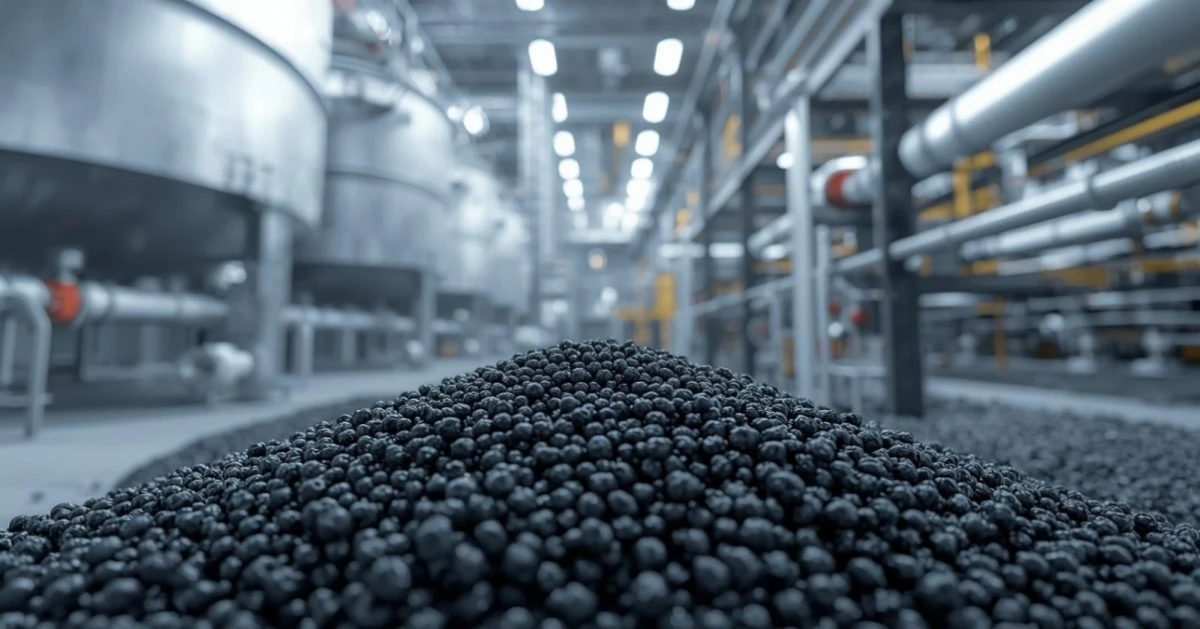
Filters can be granular (GAC), pelletized, or powdered (PAC), each suited for different industrial applications in oil and gas.
Choosing the Right Activated Carbon for Oil & Gas Refining
Selecting the perfect activated carbon product depends on:
- Form and particle size: Granular activated carbon (GAC) is common in fixed bed systems, while powdered activated carbon (PAC) is used for rapid treatment processes.
- Impregnation: Some activated carbons are chemically modified to target specific contaminants like mercury or H₂S.
- Pore structure and surface area: Matching pore size distribution to contaminant size enhances adsorption efficiency.
- Operating conditions: Temperature, pressure, and chemical compatibility matter to ensure longevity and performance.
Why Partner with OozeChem?
As the best chemical supplier in UAE and the best activated carbon supplier in UAE, OozeChem offers premium quality activated carbon tailored to the needs of the oil and gas industry. With deep technical expertise, regional distribution capabilities, and a customer focused approach, OozeChem ensures you get the right product, on time, every time.
Whether you need activated carbon for gas purification, liquid treatment, or wastewater management, OozeChem’s range covers all grades and forms. Their expert team can guide you through the selection process to maximize operational efficiency and reduce costs.
Benefits of Using Activated Carbon in Oil & Gas Refining
- Improved product purity: Effective removal of sulfur, mercury, and organics enhances oil and gas quality.
- Equipment protection: Adsorption of harmful contaminants protects catalysts and process equipment from damage.
- Regulatory compliance: Helps meet environmental and safety standards for emissions and wastewater treatment.
- Cost efficiency: Reduces maintenance, downtime, and chemical usage.
- Environmental sustainability: Limits harmful emissions and supports cleaner water discharge.
Summary
Activated carbon is a powerful and versatile solution in oil and gas refining. Understanding how activated carbon works and selecting the right type of activated carbon filter can significantly improve process efficiency and product quality.
For companies operating in the UAE and Gulf region, partnering with a trusted supplier like OozeChem ensures access to high quality activated carbon products, expert advice, and reliable logistics.
If you want to enhance your refinery’s performance and environmental compliance, start with activated carbon and start with OozeChem.
Related Resources:
- Learn more about Activated Carbon Types
- Explore OozeChem’s Activated Carbon Product Range
- What is Activated Carbon Filter Working Principle